
Houten lambrisering
Er is een hernieuwde waardering voor interieurs die eerder samengesteld dan gedecoreerd aanvoelen. Ruimtes gevormd door materiaal, licht, textuur en een gevoel van aanwezigheid. In deze verschuiving heeft houten wandbekleding zich stevig herbevestigd als een van de meest invloedrijke ontwerpelementen van 2026, zowel binnen als buiten. Ooit beschouwd als een meer traditioneel detail, heeft het ontwerp zich ontwikkeld tot een veelzijdig, architectonisch element dat in moderne huizen overal wordt toegepast.
Hier verkennen we de belangrijkste trends die houten wandbekleding vormgeven, samen met ons assortiment afwerkingen en kleuropties die de uiteindelijke look bepalen.
Waarom is houten wandbekleding weer in trek?
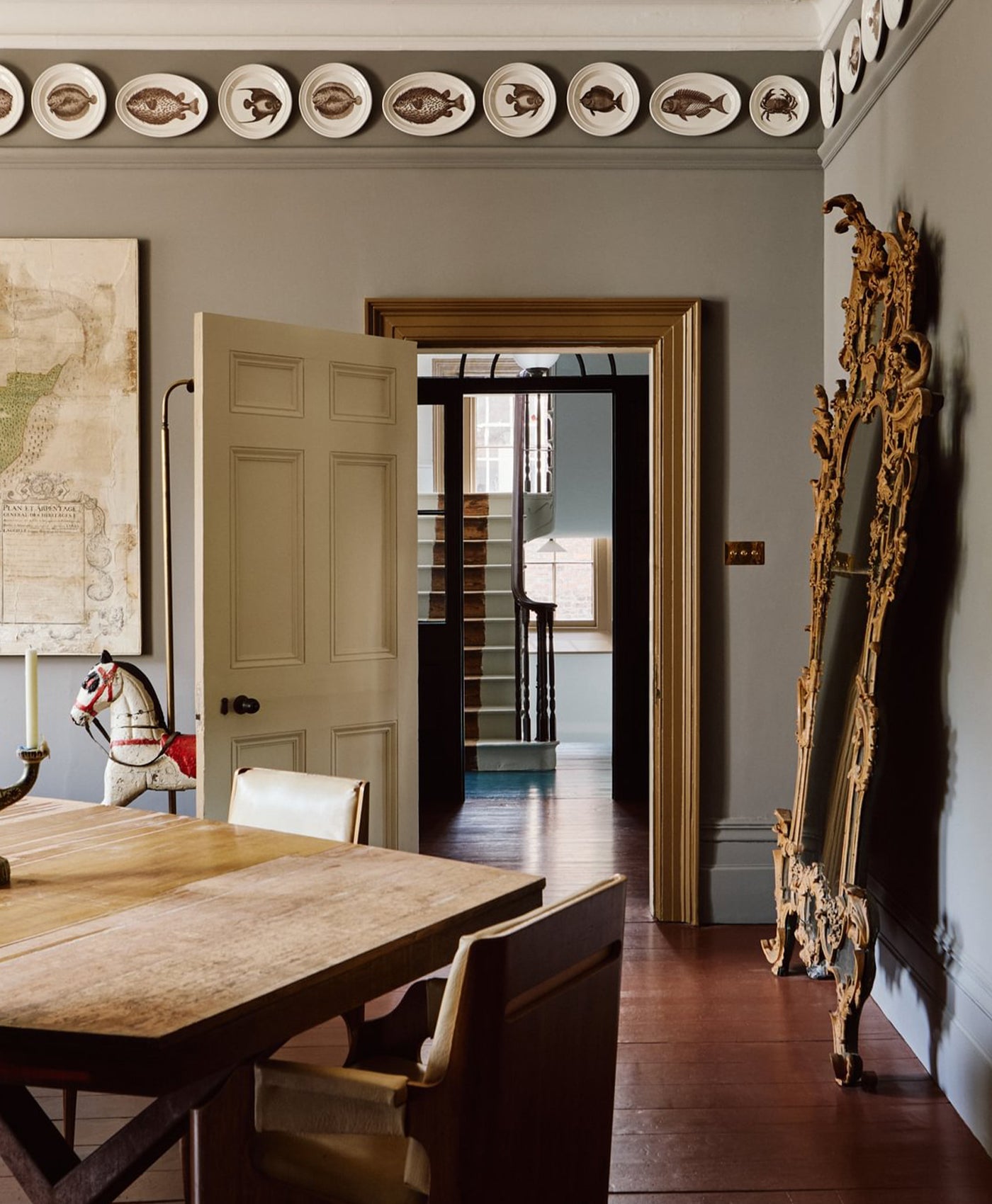
Ontwerp is verschoven van vlakke, minimalistische ruimtes naar omgevingen die diepte en materiaalcontrast bieden. Houten wandbekleding speelt hierin een centrale rol en voegt structuur, warmte en visueel ritme toe aan verder eenvoudige kamers en buitenruimtes.

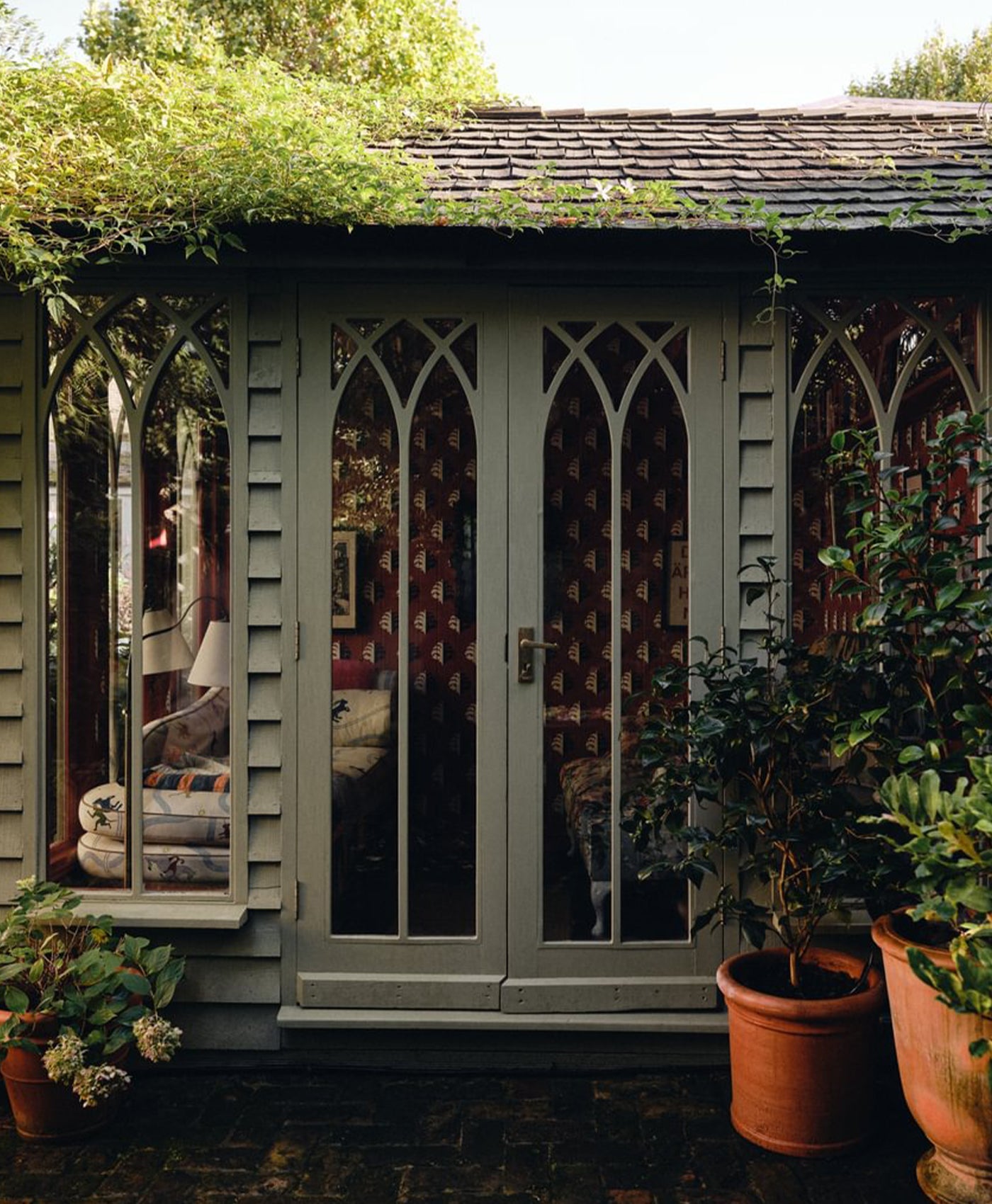
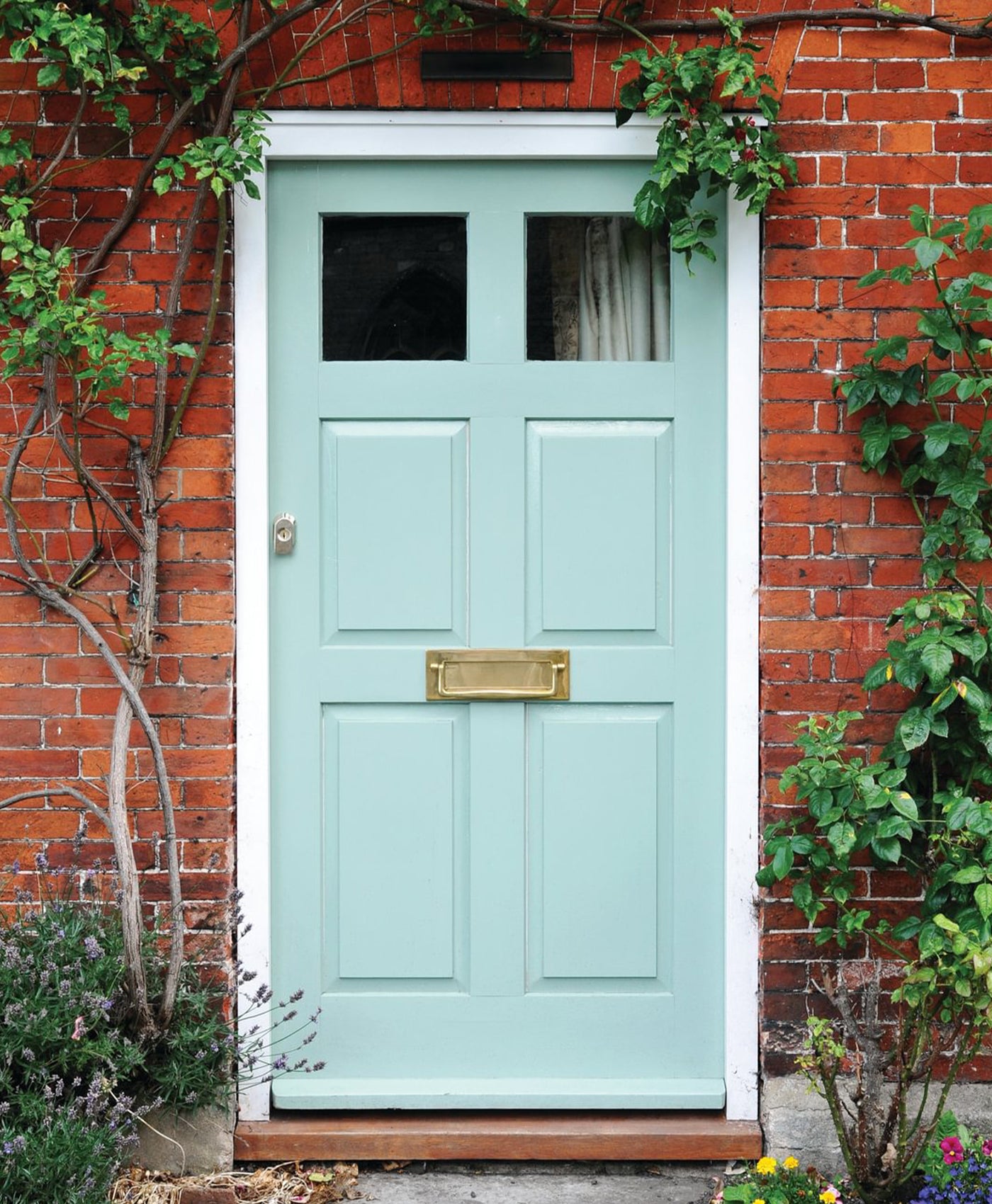
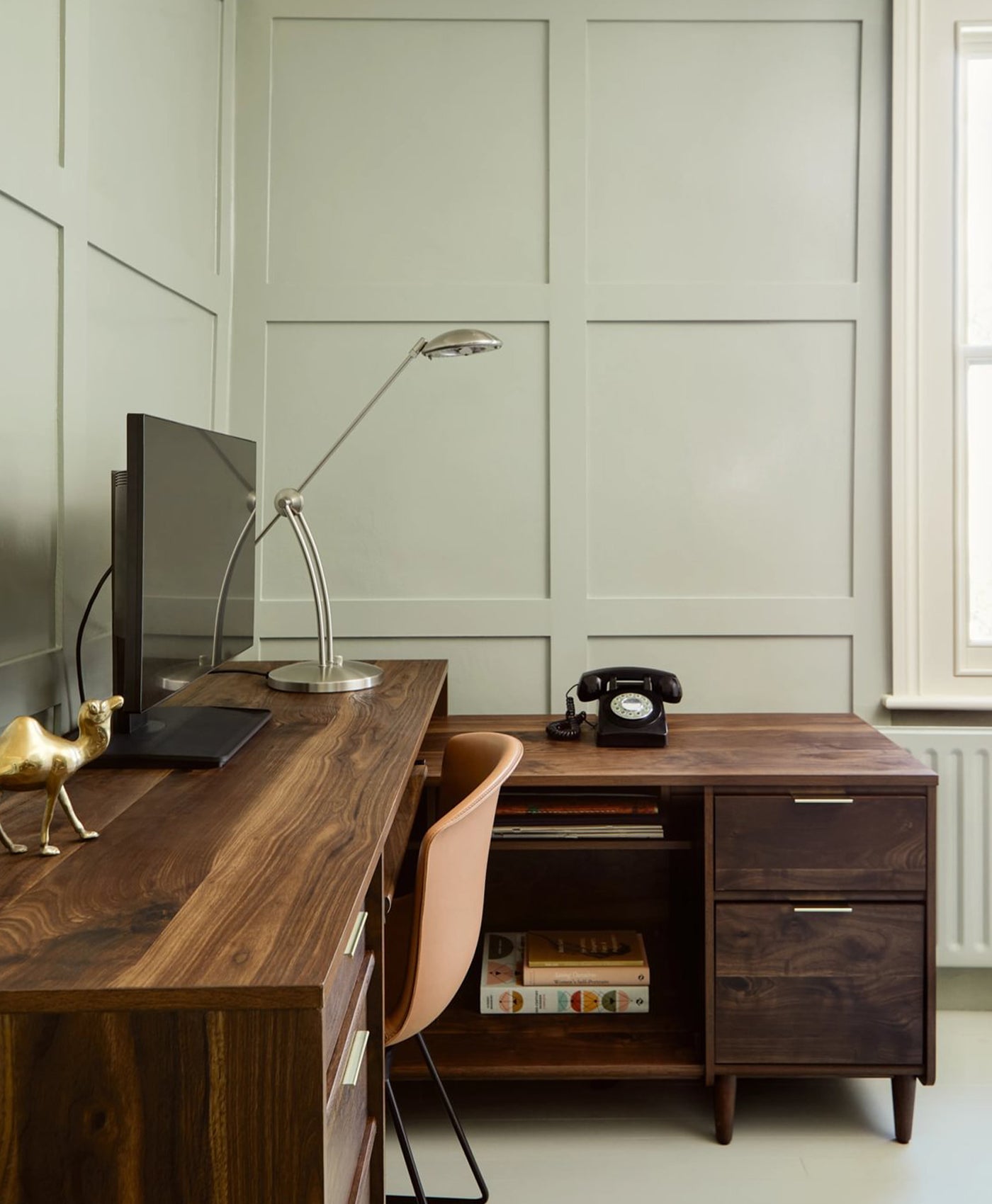
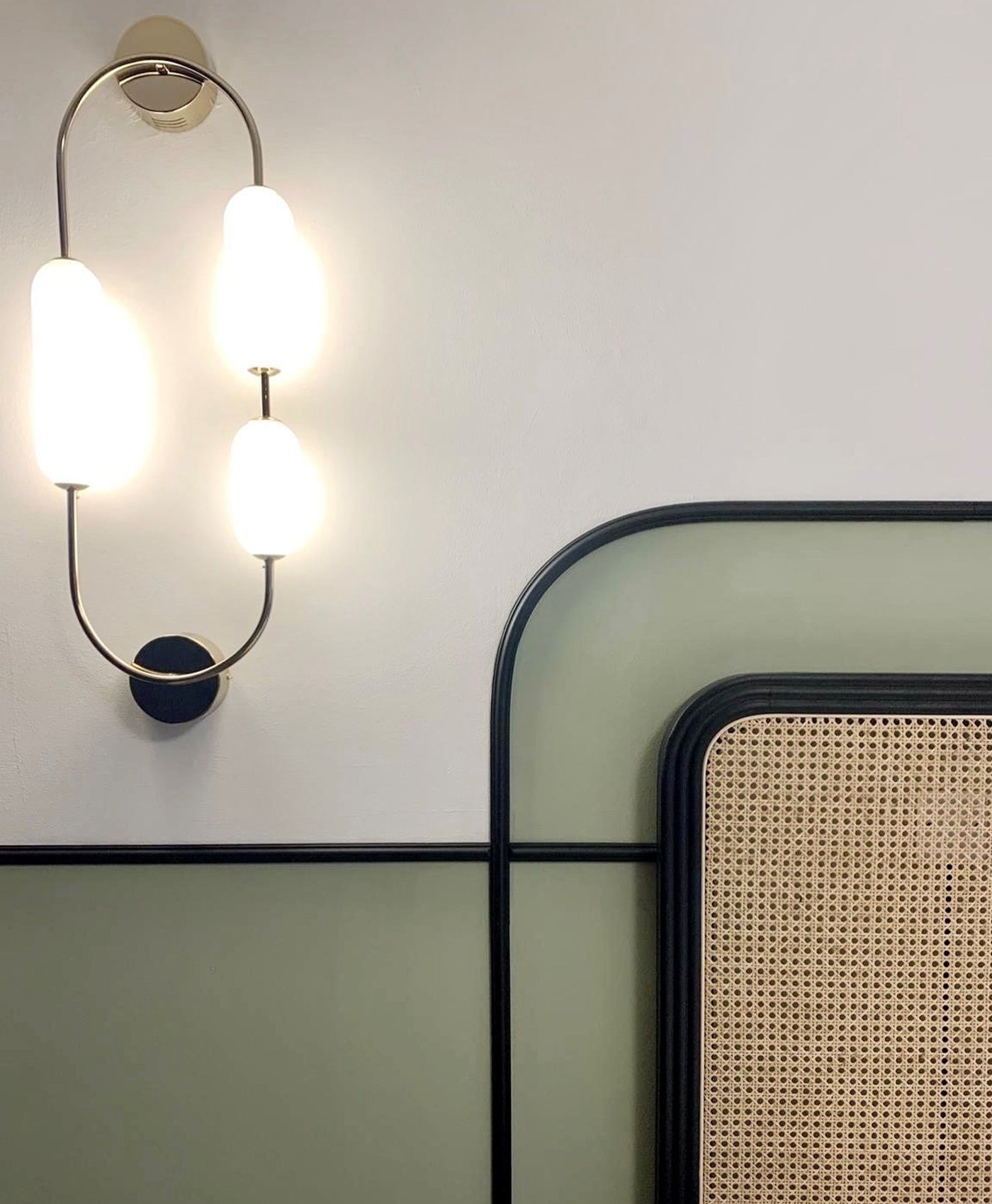
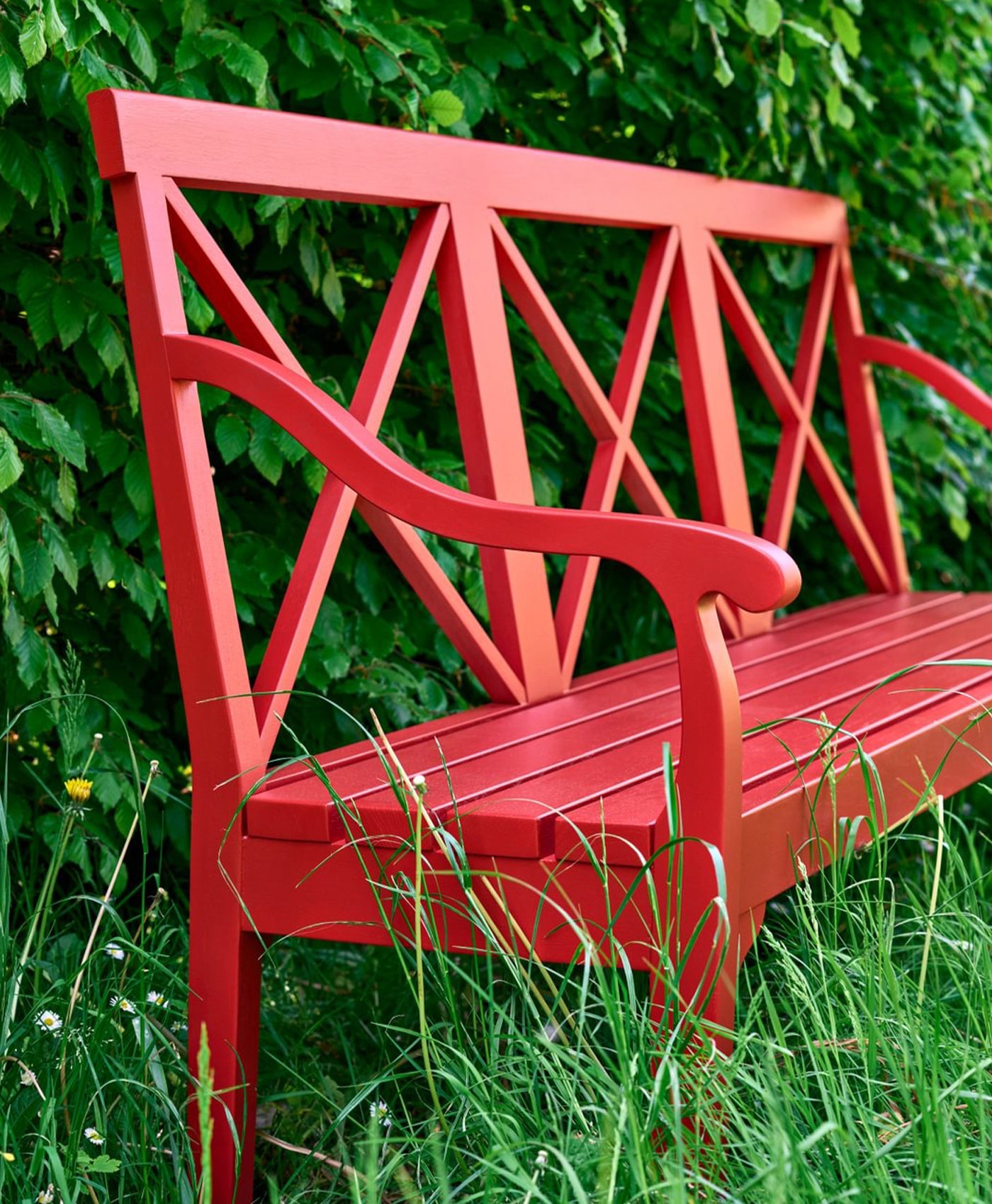
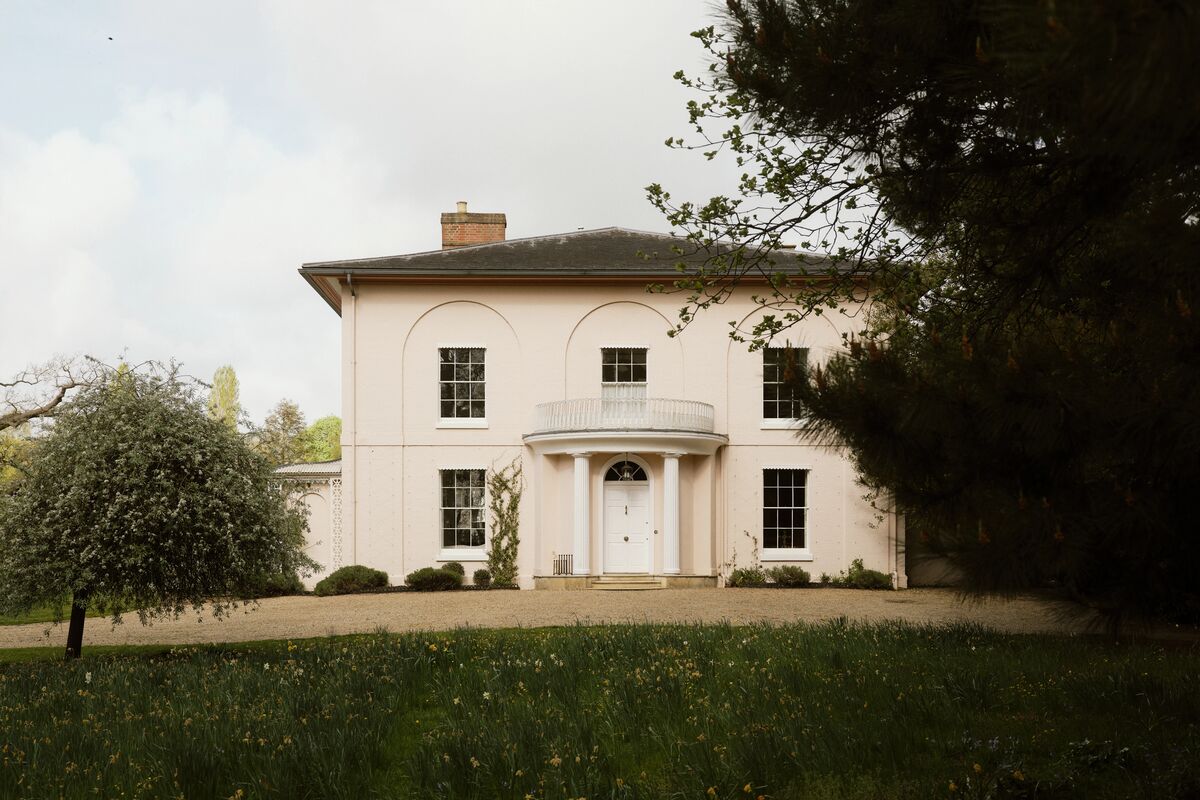
Achterwand in Market Green™ No. 38
Terug naar vakmanschap en materiaal
Aan de basis hiervan ligt een hernieuwde waardering voor vakmanschap. De focus is verschoven naar afwerkingen, verven en kleuren die de inherente kwaliteiten van het hout vieren in plaats van deze te verhullen.
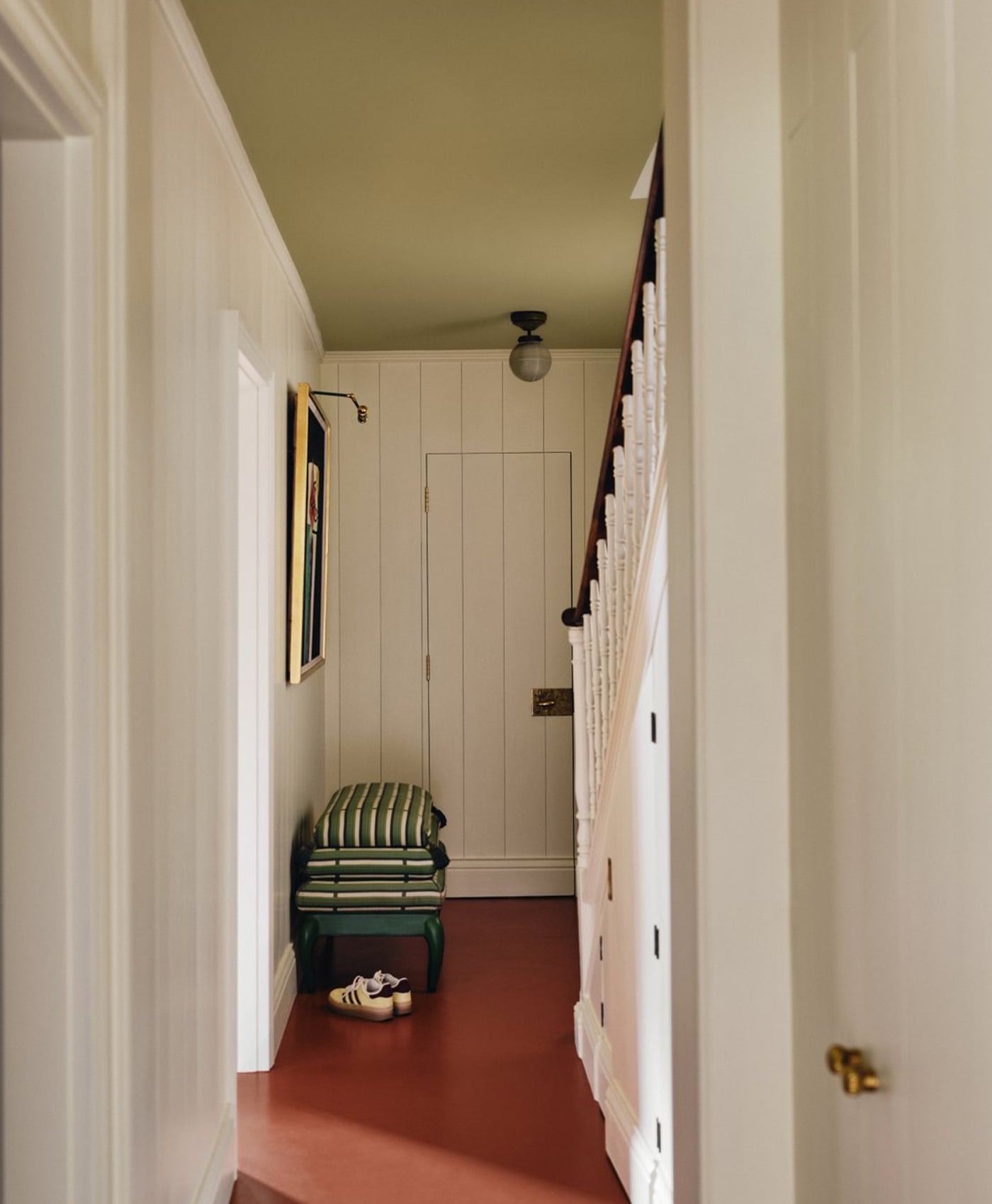
Houten wandbekleding introduceert een subtiel architectonisch ritme en brengt structuur zonder overdaad. Of het nu wordt gebruikt over een volledige muur, in nissen, in schrijnwerk of zelfs bij tuinelementen, het geeft uw interieur een meer samengestelde en evenwichtige uitstraling.
De rol van de afwerking
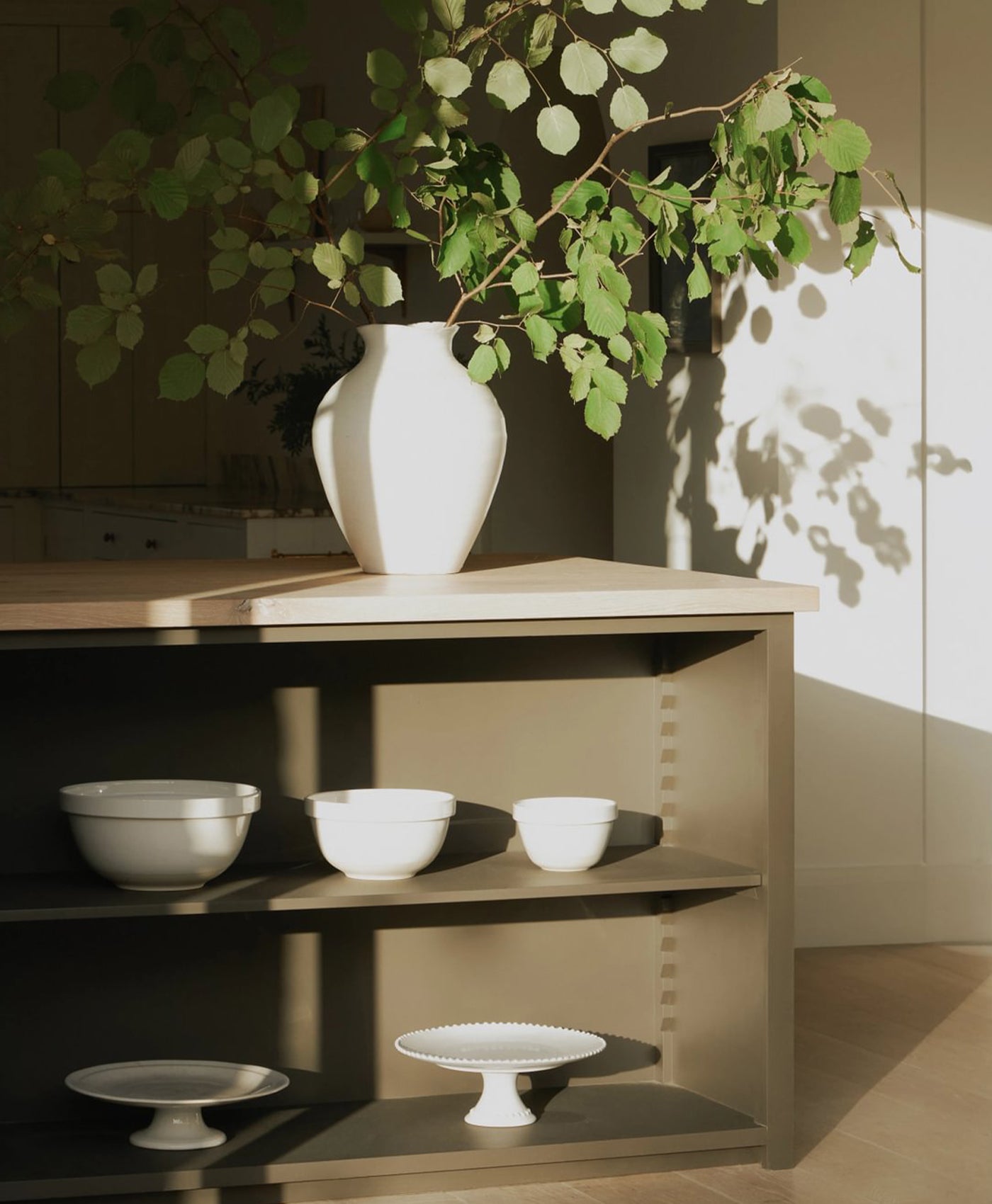
Terwijl de vorm de structuur bepaalt, is het de afwerking die uiteindelijk het karakter van de wandbekleding vormt. Ons assortiment waxen en harde oliën is ontworpen om de natuurlijke schoonheid van het hout te versterken, te beschermen en te verfijnen zonder deze te maskeren.
Harde oliën bieden een duurzame afwerking met een lage glans die in het oppervlak dringt, de kleur verrijkt en de nerf laat uitkomen. Ideaal voor zowel muren als plekken met veel contrast, bieden ze een praktische maar elegante oplossing met behoud van een natuurlijke, tactiele kwaliteit.
Waxen introduceren daarentegen een zachtere, meer genuanceerde afwerking. Ze geven het oppervlak een zachte glans, verdiepen de kleur en behouden tegelijk een ademend, authentiek gevoel. Bijzonder geschikt voor ruimtes waar sfeer essentieel is, creëren waxafwerkingen een gevoel van ingetogen luxe.
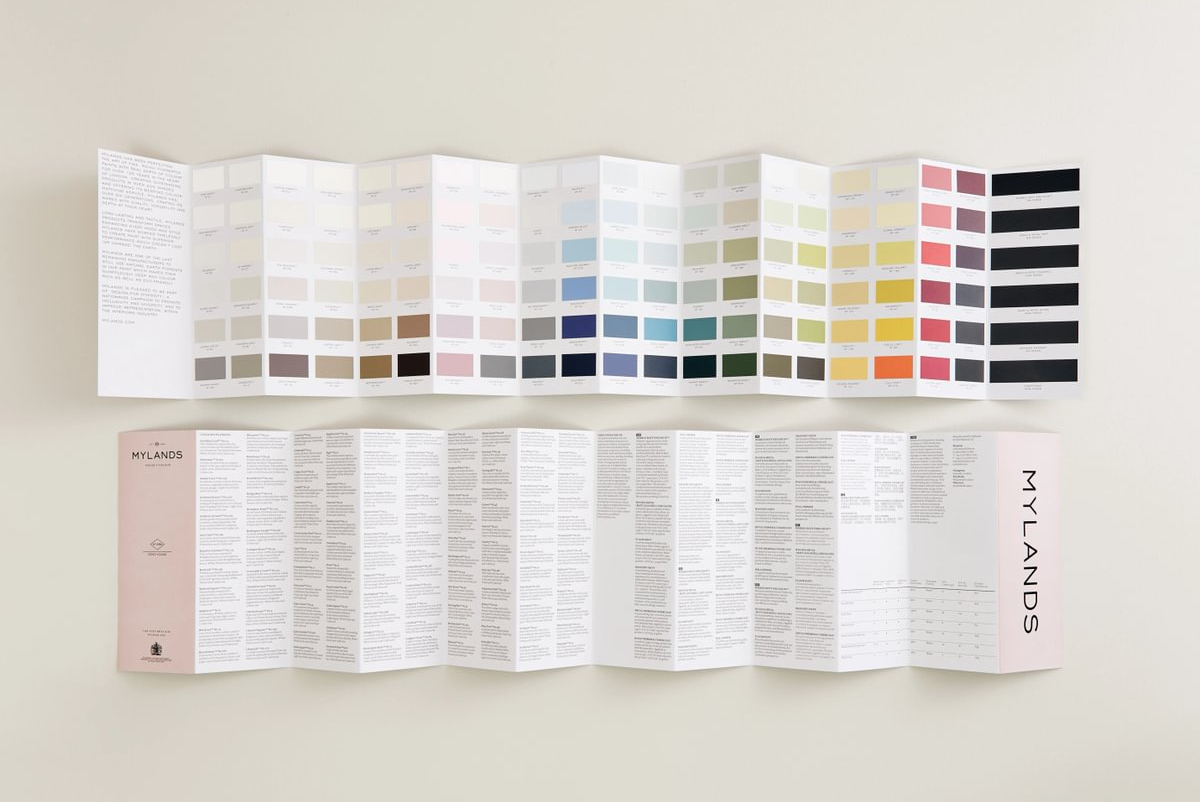
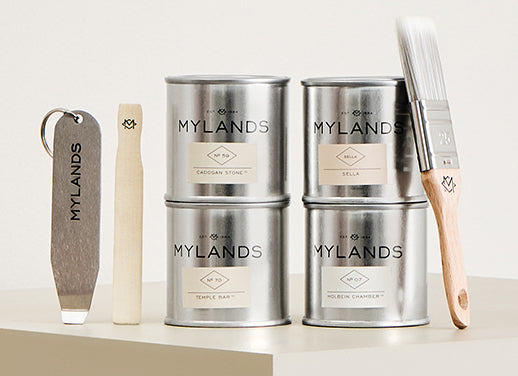
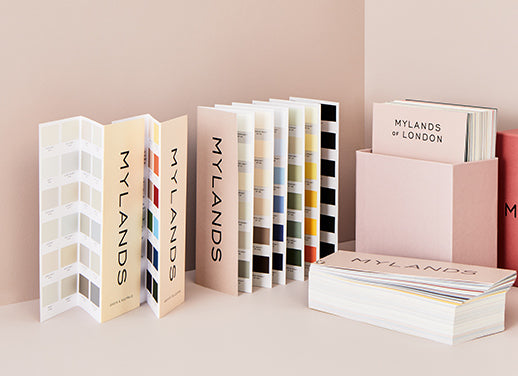
Beide opties zijn verkrijgbaar in een doordacht palet van houtachtige tinten; van bleke, ingetogen neutrale tinten tot diepere, meer geaarde kleuren.

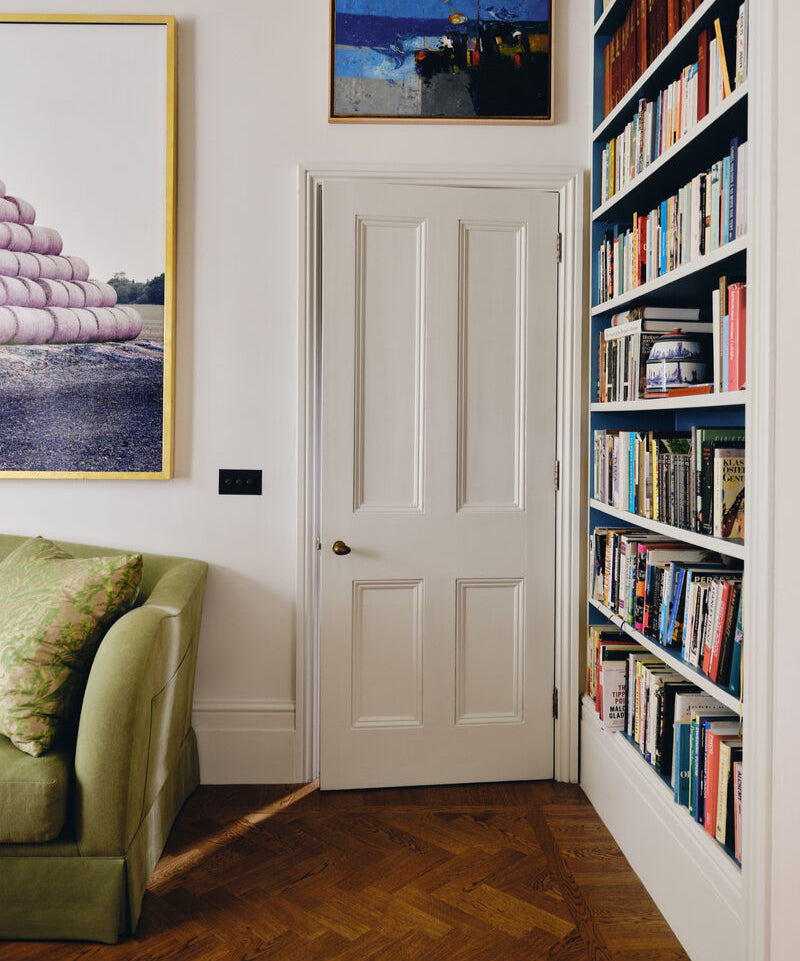
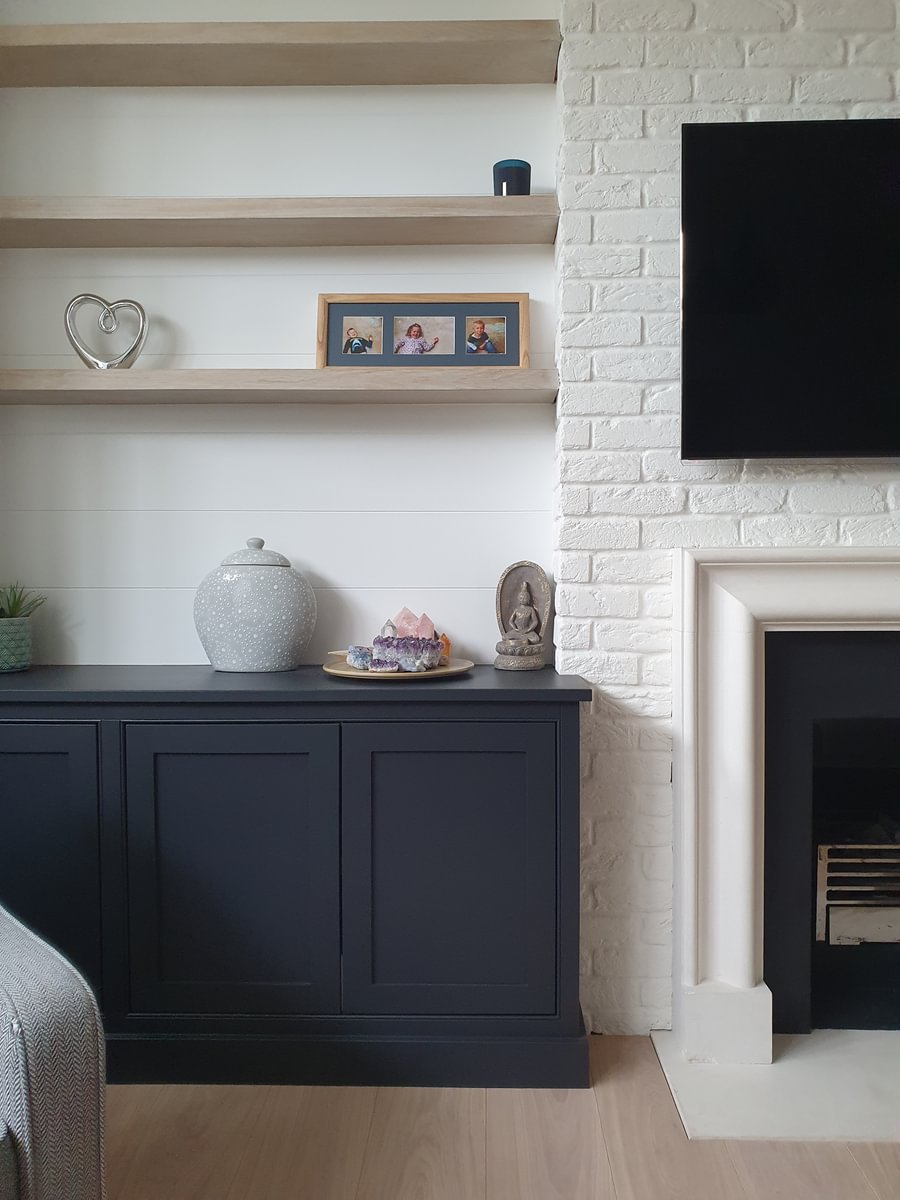
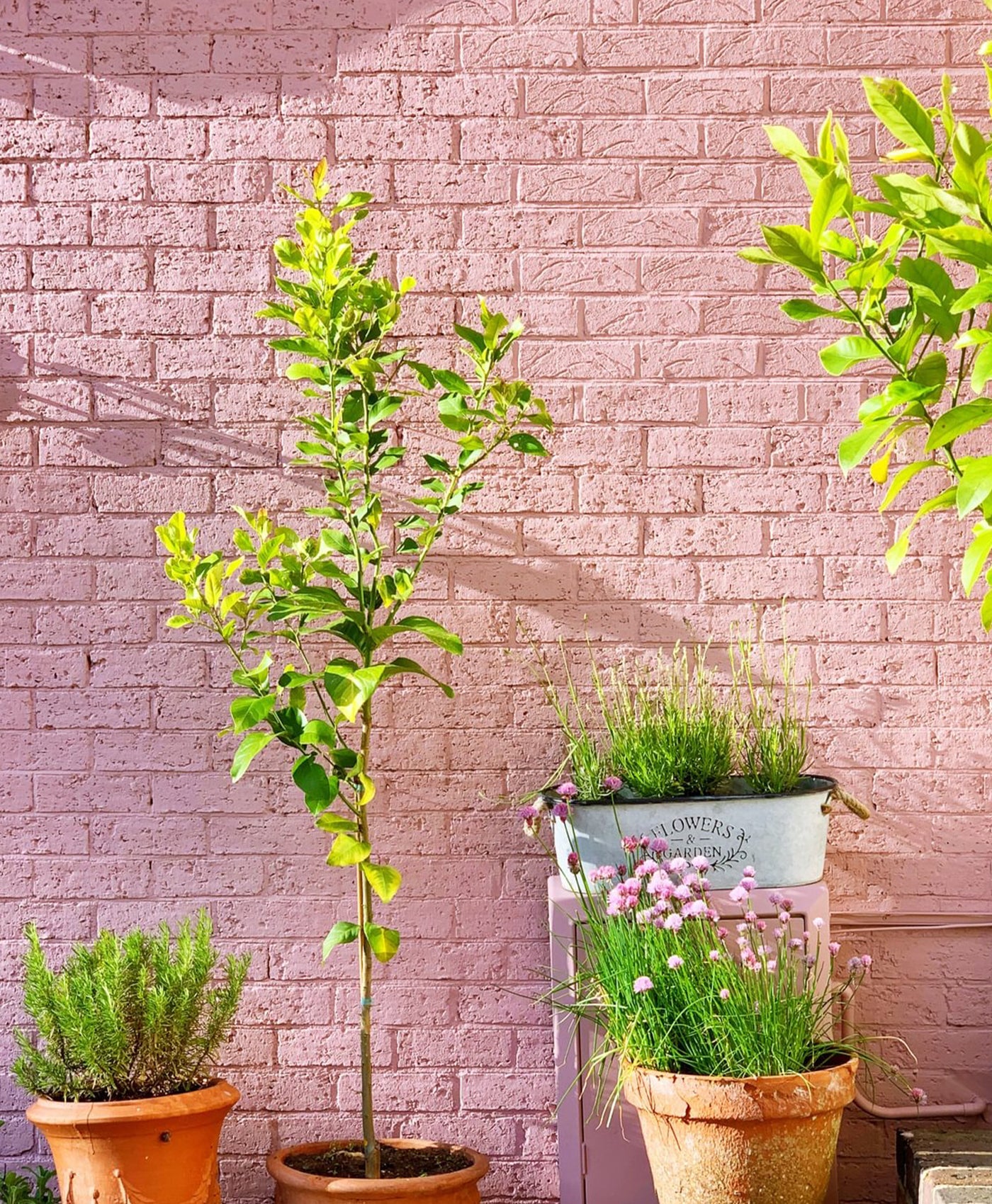
Panelen in Soho Pink™ No.266
Kleur en diepte
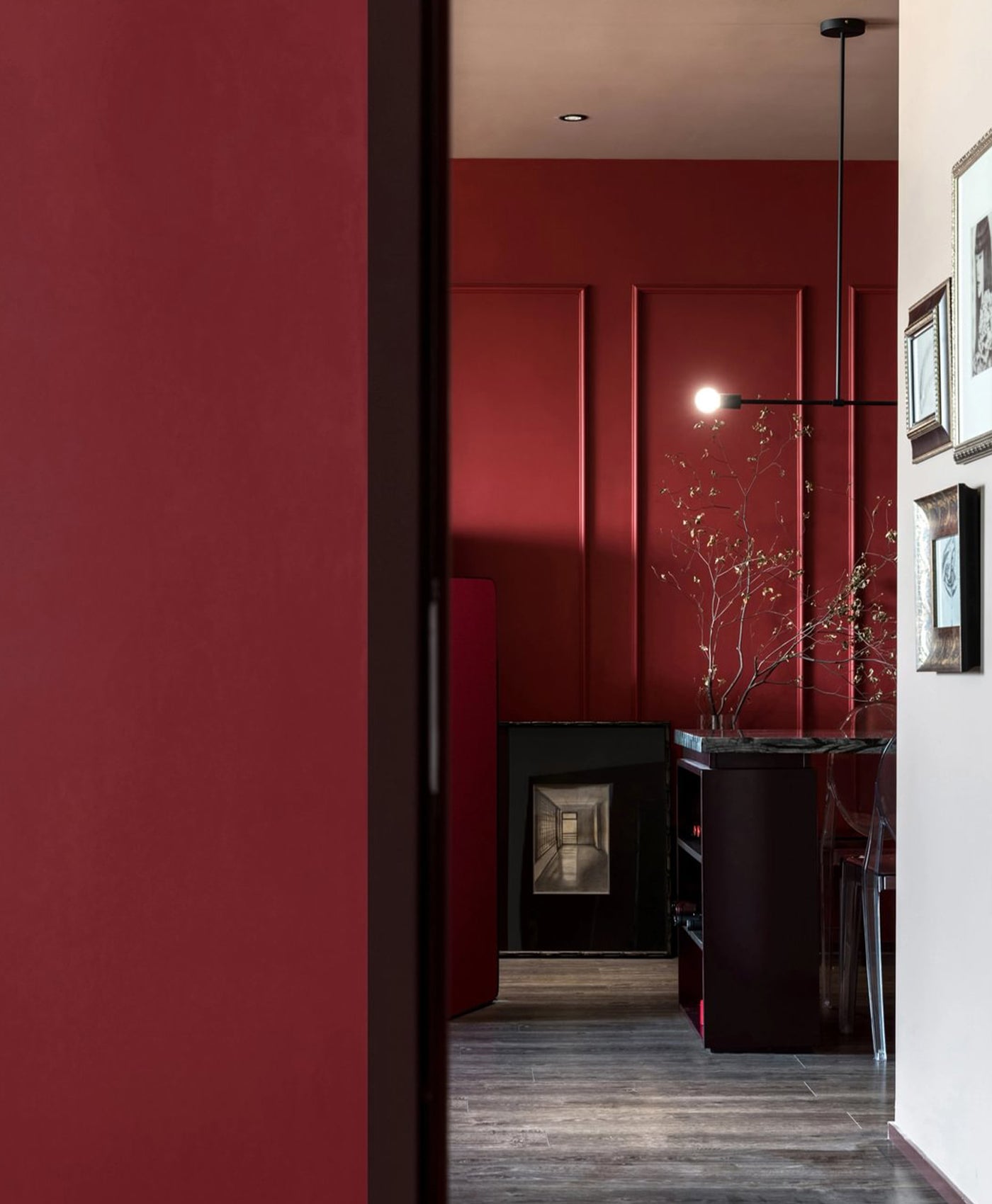
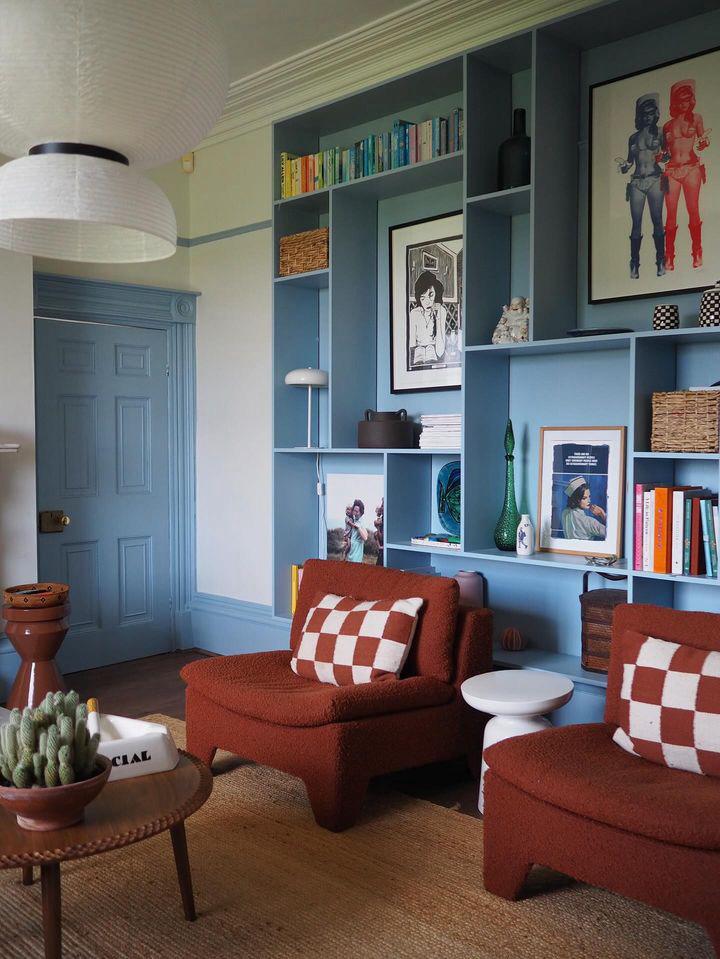
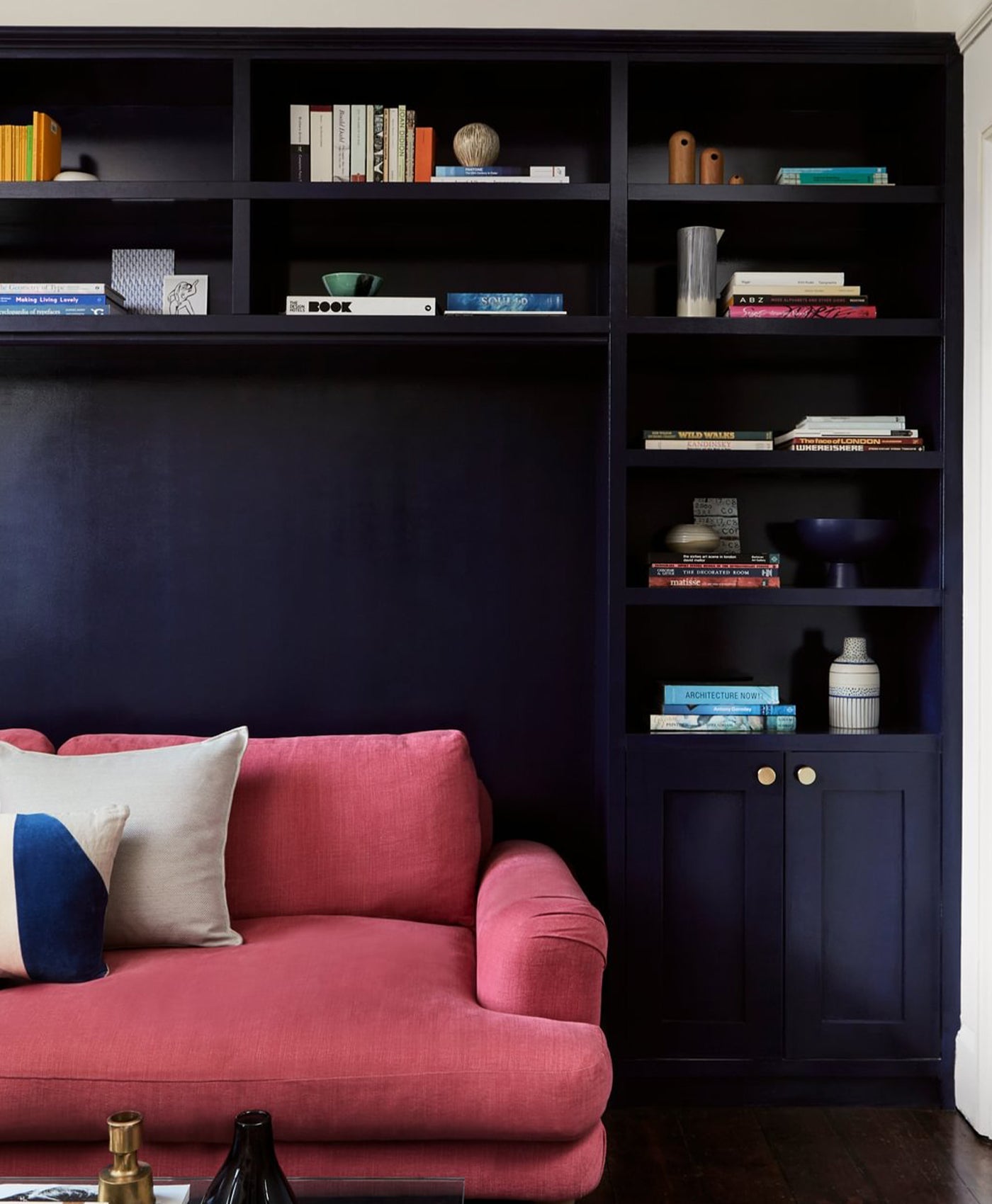
Naast natuurlijke afwerkingen blijft kleur een belangrijke rol spelen. Diepere tinten worden gebruikt om de architectonische kwaliteit van wandbekleding te benadrukken, en voegen contrast en een gevoel van geaardheid toe aan een ruimte. In plaats van op het oppervlak te blijven liggen, werken deze tinten samen met de textuur van het hout, waarbij licht wordt geabsorbeerd en gereflecteerd op een manier die diepte en dimensie versterkt. Het resultaat is een afwerking die gelaagd, doordacht en ingetogen krachtig aanvoelt.
Voor een lichtere aanpak bieden gedempte neutrale tinten en krijtachtige gebroken witten een meer ingetogen expressie, waarbij de vorm van de wandbekleding de aandacht blijft trekken terwijl er toch warmte en zachtheid wordt toegevoegd.
Of natuurlijk of gekleurd, het samenspel tussen tint, afwerking en materiaal bepaalt uiteindelijk het eindeffect.
Het eindresultaat
Het eindeffect is waar alle elementen samenkomen: tint, textuur en afwerking werken in harmonie samen. Houten wandbekleding krijgt een nieuwe diepte wanneer het met zorg wordt behandeld, verschuift subtiel met het licht en geeft een ruimte een stille structuur. Of het nu natuurlijk blijft of met kleur wordt verrijkt, het resultaat is altijd doordacht: gelaagd, tactiel en blijvend verfijnd.