By surface & project
Restoring old furniture
Clean, revive, repair and refinish, keeping as much of its story as you can
Step 1
Look before you do anything
Step 2
Clean it, and look again
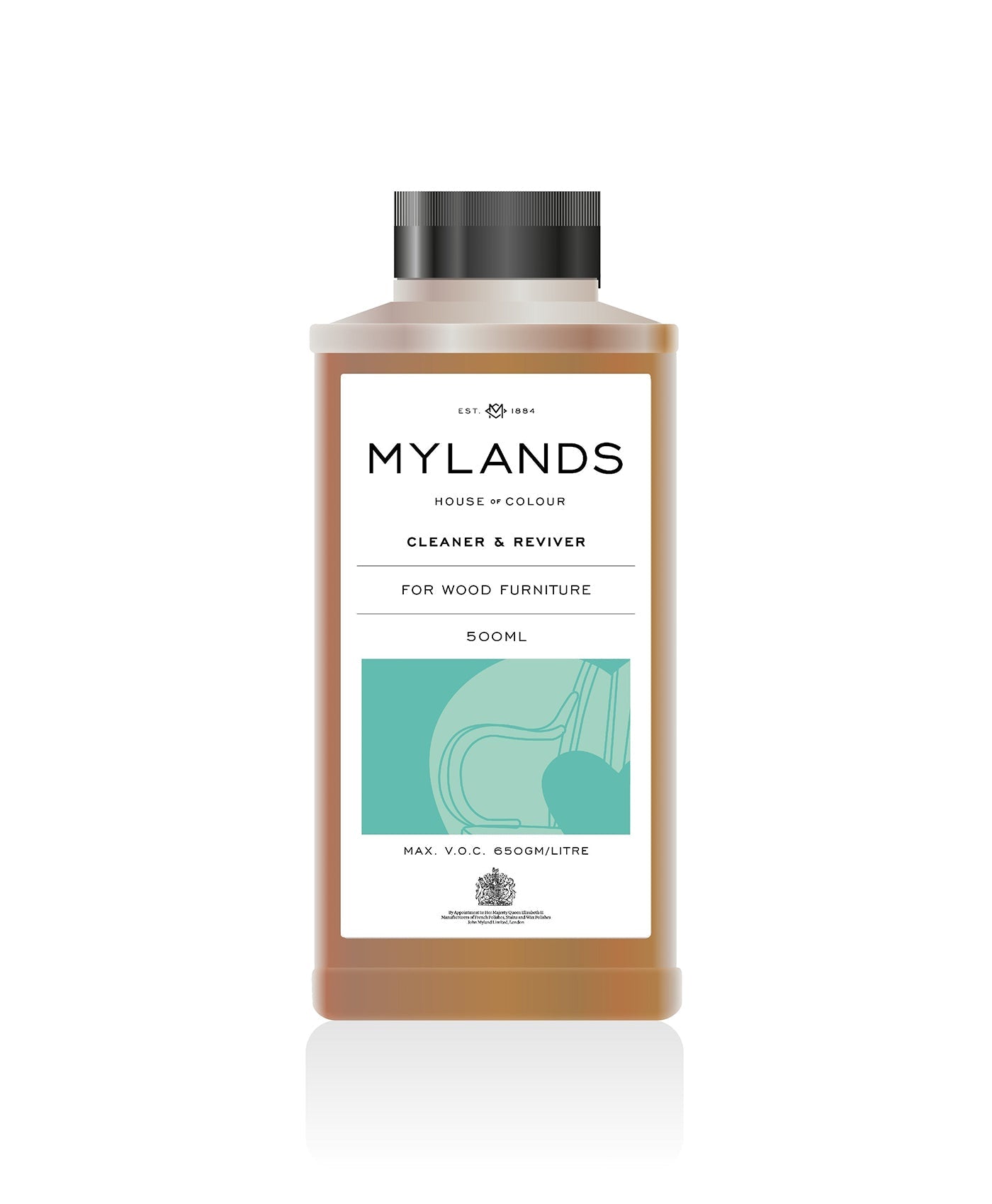
Furniture Cleaner and Reviver removes old wax, dirt and everyday grime, fine scratches and most white heat and water marks. It suits varnish, French polish, lacquer and modern finishes, and keeps the patina underneath.
-
Test first
Try a hidden area, and wear gloves.
-
Clean gently
Apply with a soft cloth and moderate pressure.
-
Clean deeper if needed
Soak a pad of 0000 steel wool in the cleaner and work along the grain.
-
Wipe off
Remove the surplus with a clean, lint-free cloth. Repeat if needed.
-
Clear the grain
If dry residue is left in the open grain, use a soft bristle brush with a little water, then dry with a clean cloth. Don’t soak the wood.
-
Let it dry, then look
Never judge a mark while the wood is wet: wetting deepens the colour and can make a mark look as if it has gone.
Heavy wax build-up
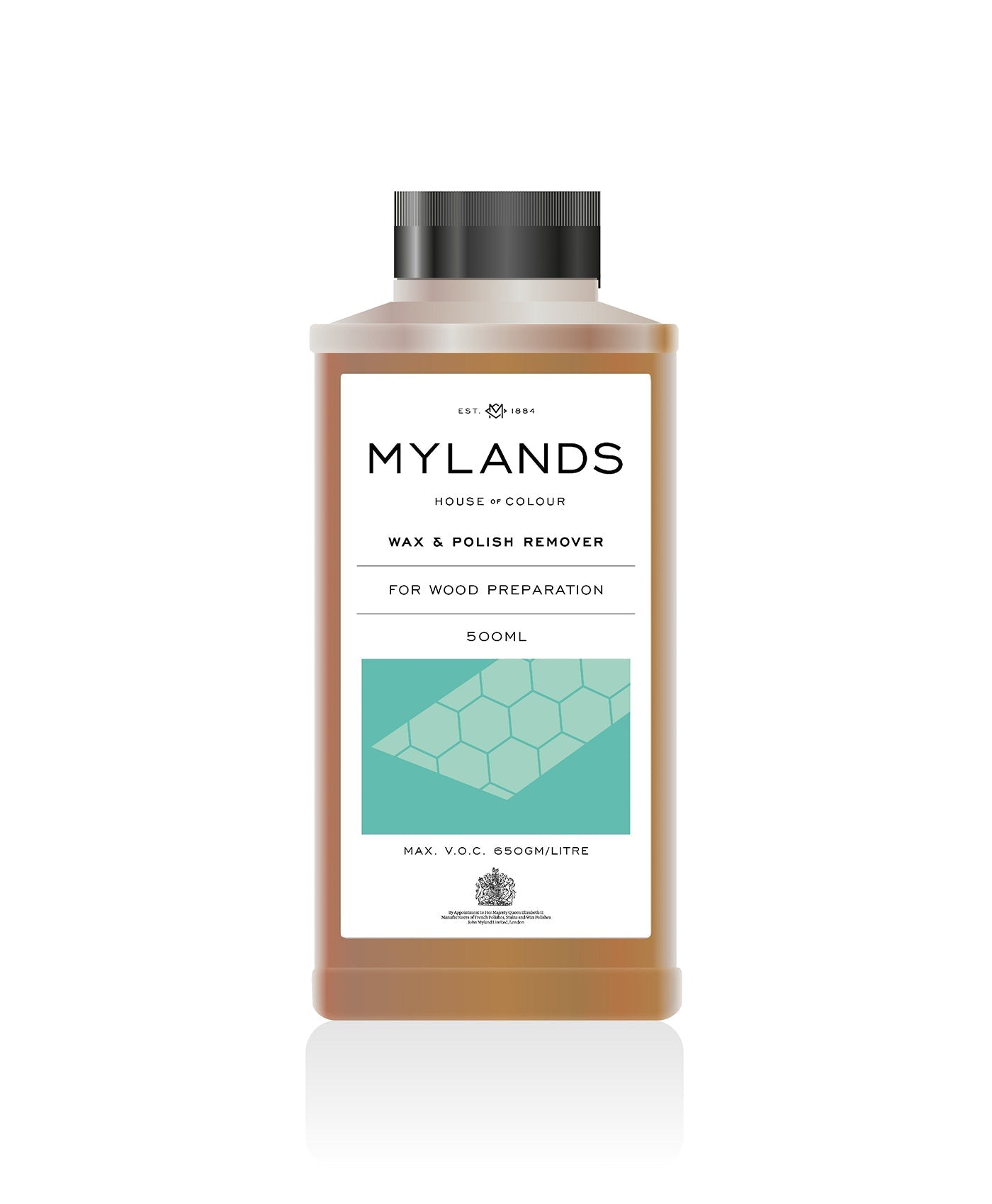
On doors, panelling or banisters, Wax and Polish Remover softens old wax so it can be lifted away. Change your cloth as soon as it is loaded, or you’ll just move the softened wax around.
Step 4
Bring back the shine
| If the finish is… | Revive it with |
|---|---|
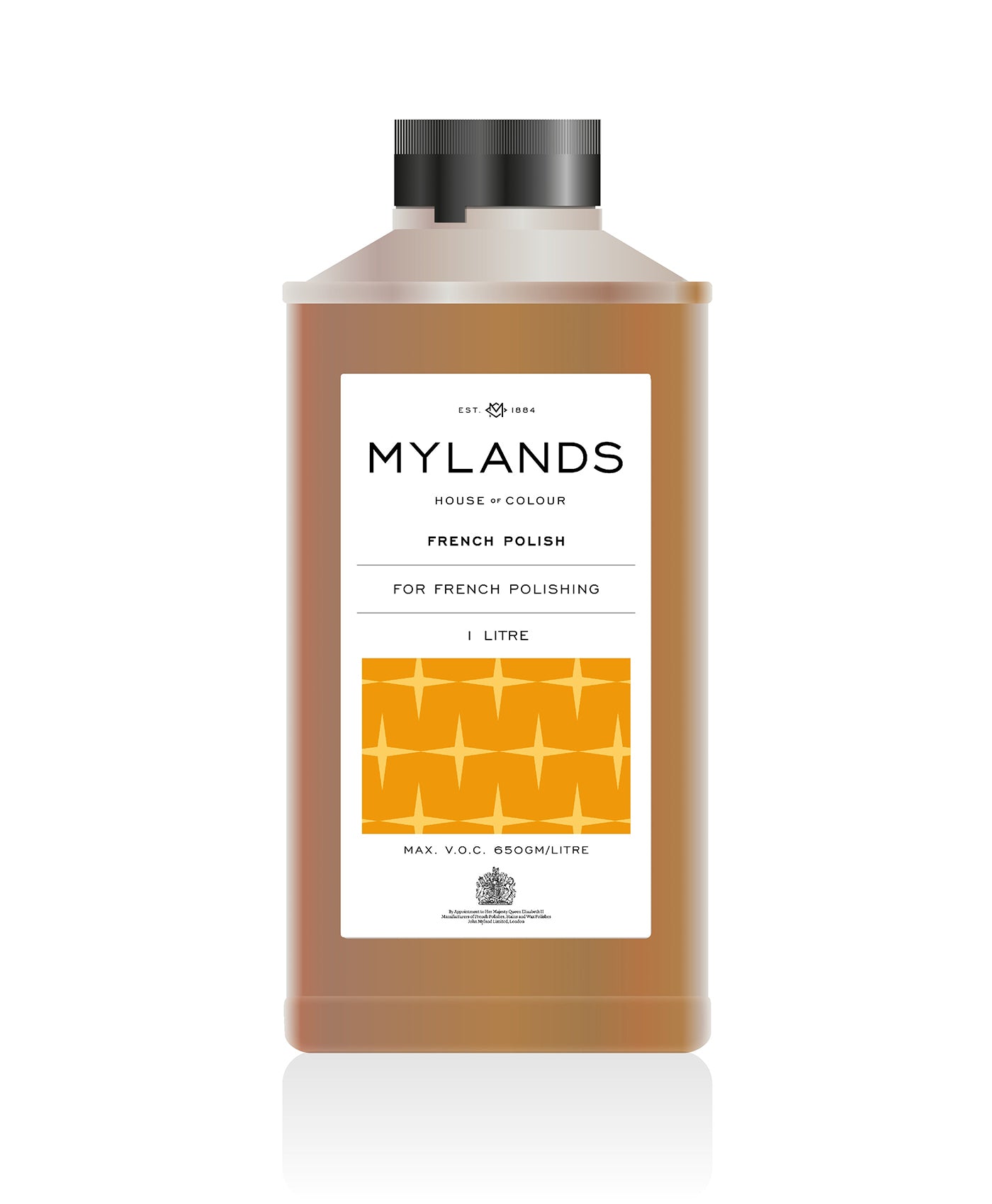
| French polish | A few fresh coats of Mylands French Polish, or Wax Polish over the top for a soft lustre |
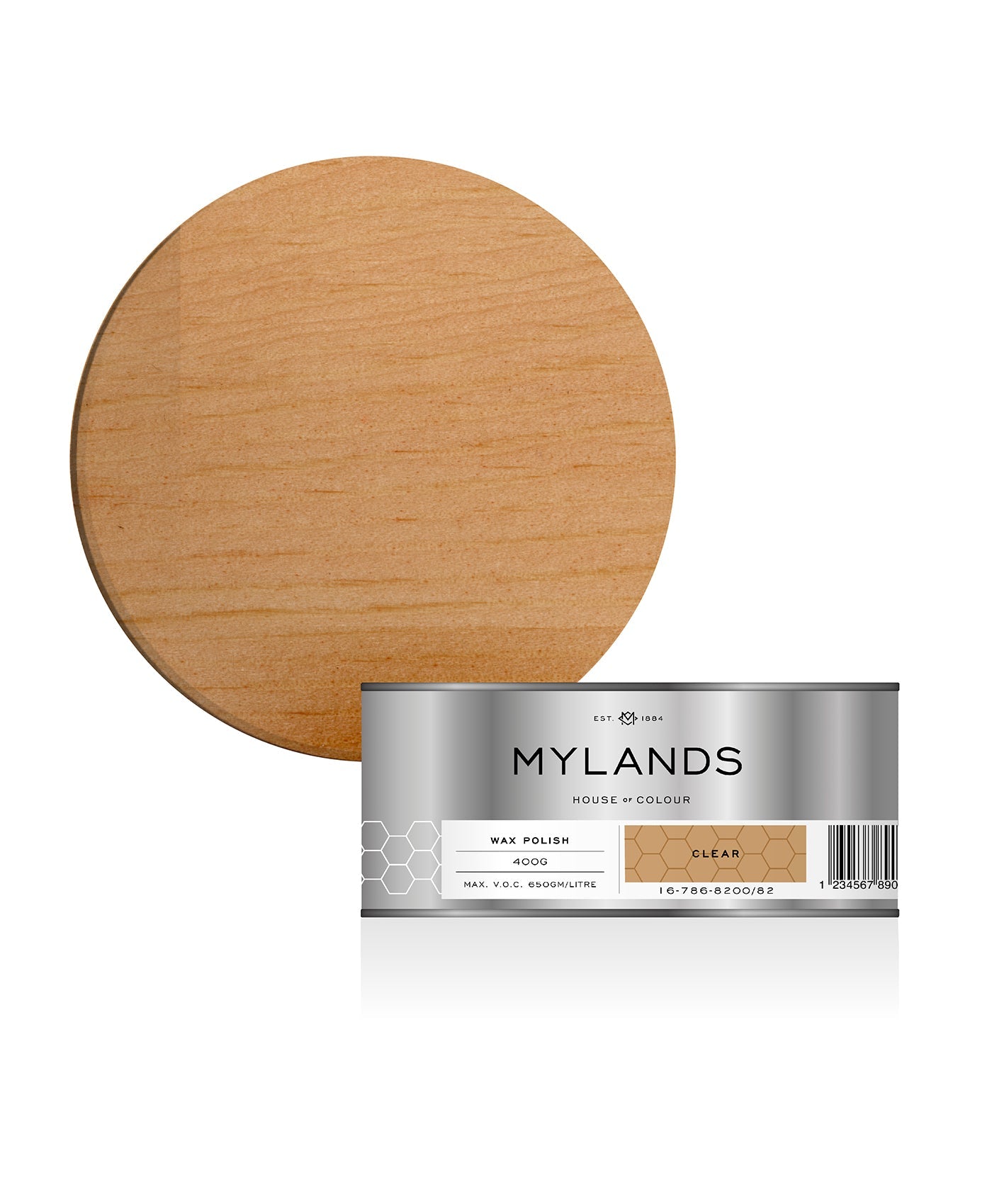
| Wax | Mylands Wax Polish in Clear or a matching colour, thinly applied and well buffed |
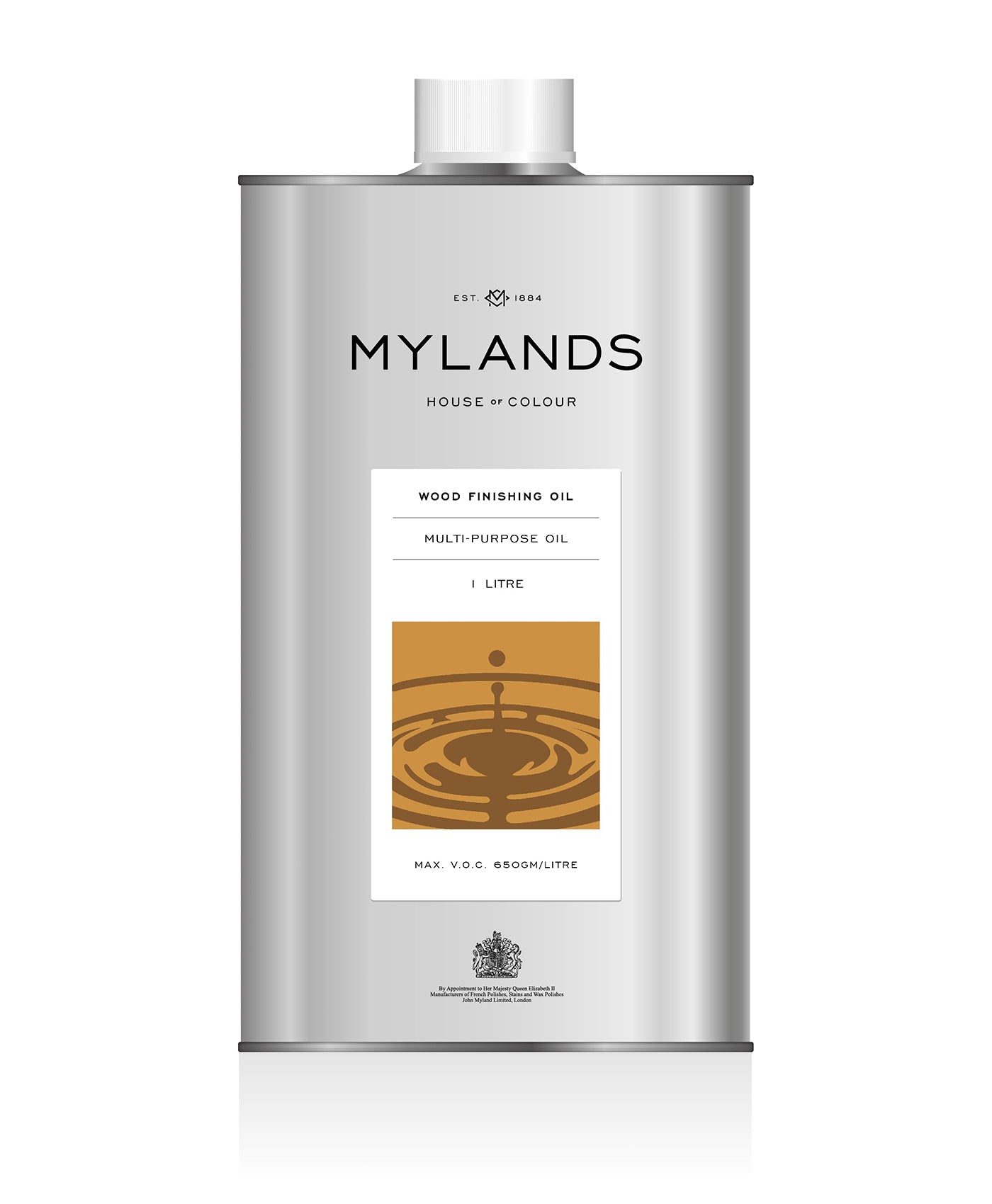
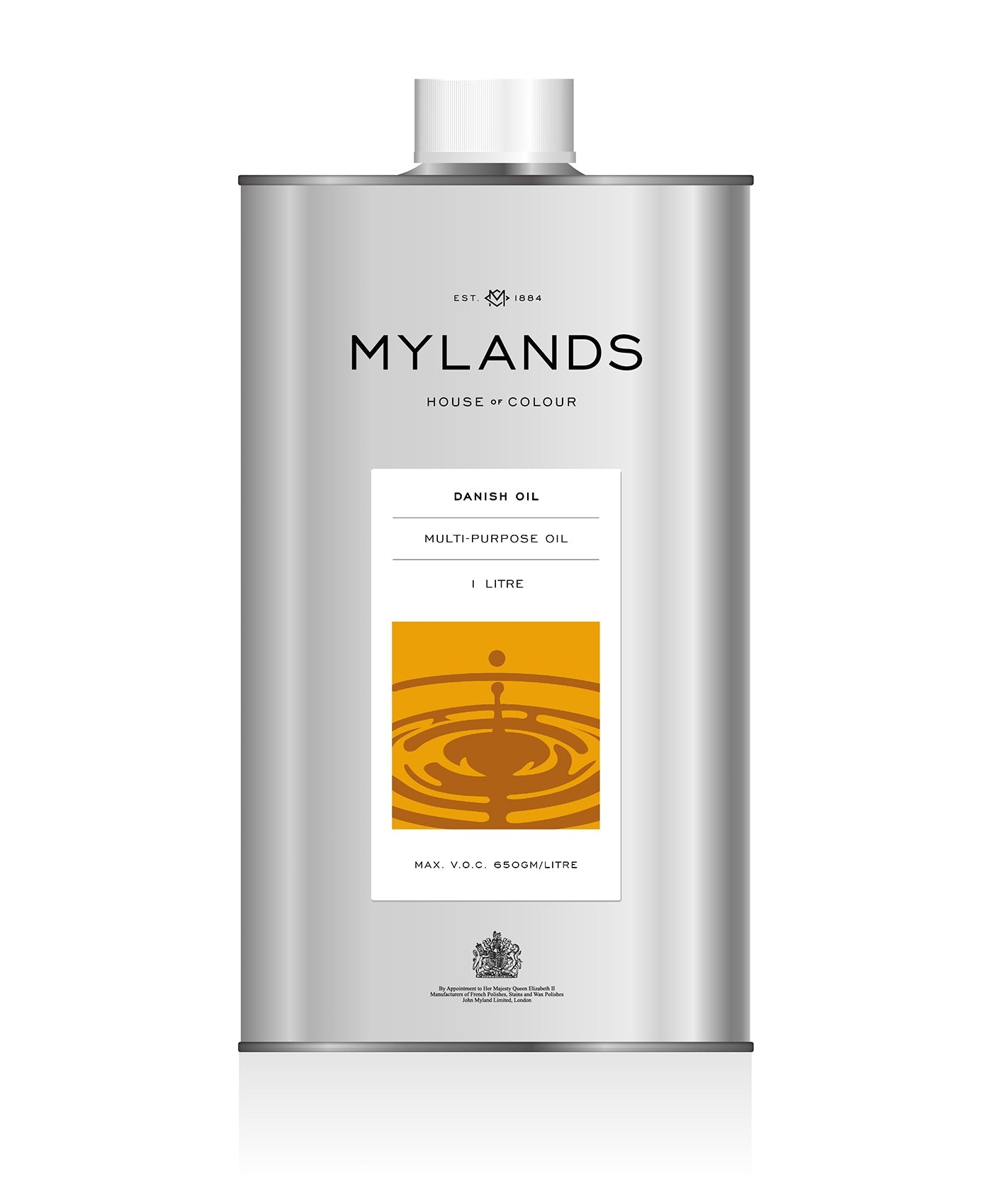
| Oil | A thin coat of Wood Finishing Oil or Danish Oil, wiping off the excess |
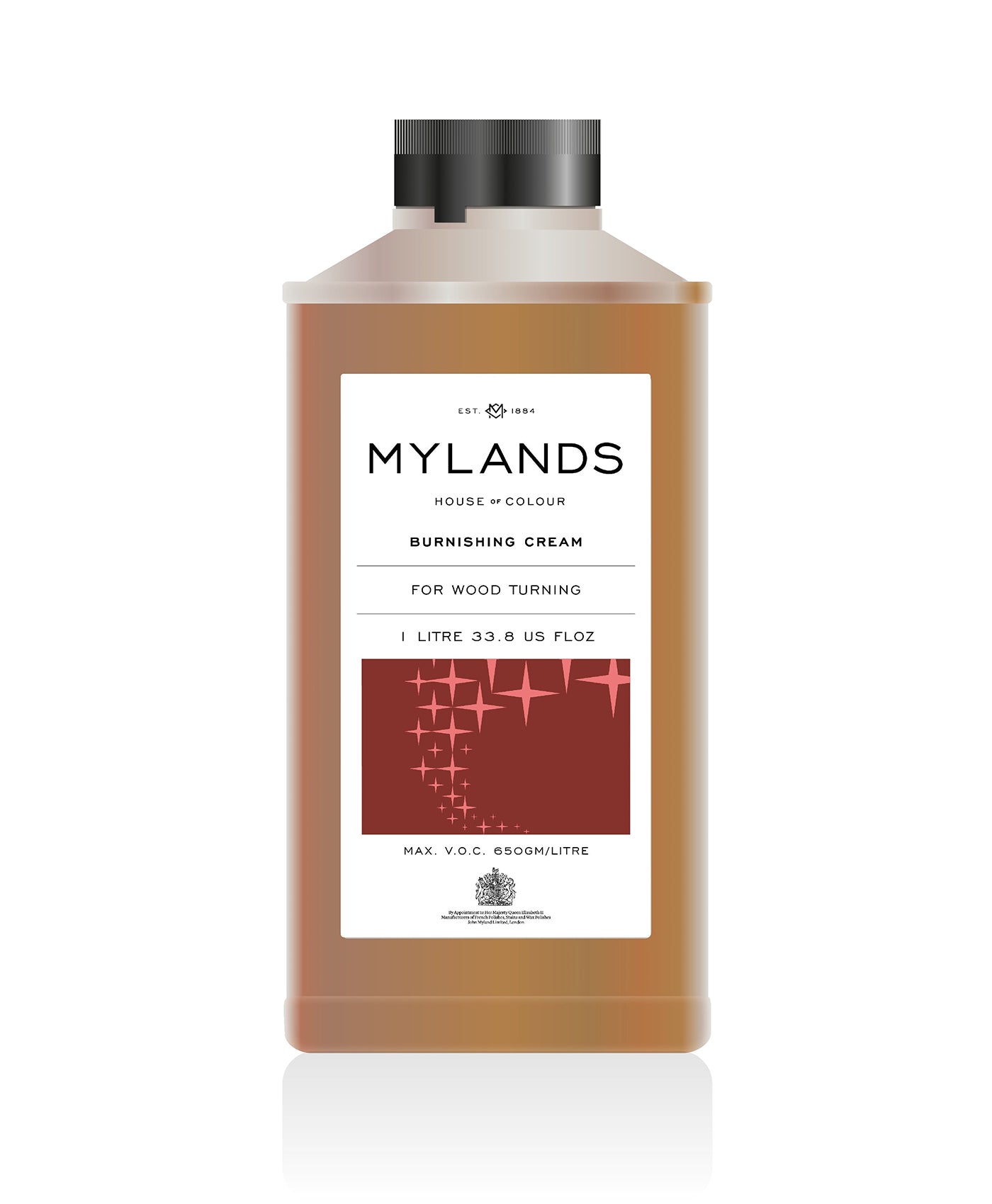
| Hardened lacquer or polish that just looks dull | Burnishing Cream to restore the sheen |
From the Mylands Experts
The coffee table that was “already clean”
Martin often tells the story of a pine coffee table whose surface looked perfectly clean. As soon as he began cleaning it, far more dirt came away than anyone would have guessed: years of grime had settled into the finish and dulled the colour. The worst marks were reduced before the table was refinished. A few long-established marks stayed, because removing them completely would have meant cutting much deeper into the wood.
That is the heart of good restoration: do as much as the piece needs, and no more.
Martin’s advice: do not assume sanding is the best way to restore something. Once the colour and character have gone, they are very hard to bring back.
Step 5
When it does need refinishing
Sometimes the old finish is too far gone: flaking, crazed, worn through or badly stained. Then it’s time to start again.
-
Remove the old finish
Carefully, taking off no more wood than you must.
-
Sand along the grain
Make sure the surface is thoroughly cleaned, then sand along the grain, starting at 120 and finishing at 240 for furniture.
-
Remove every speck of dust
Vacuum, then a barely damp cloth.
-
Colour it if needed
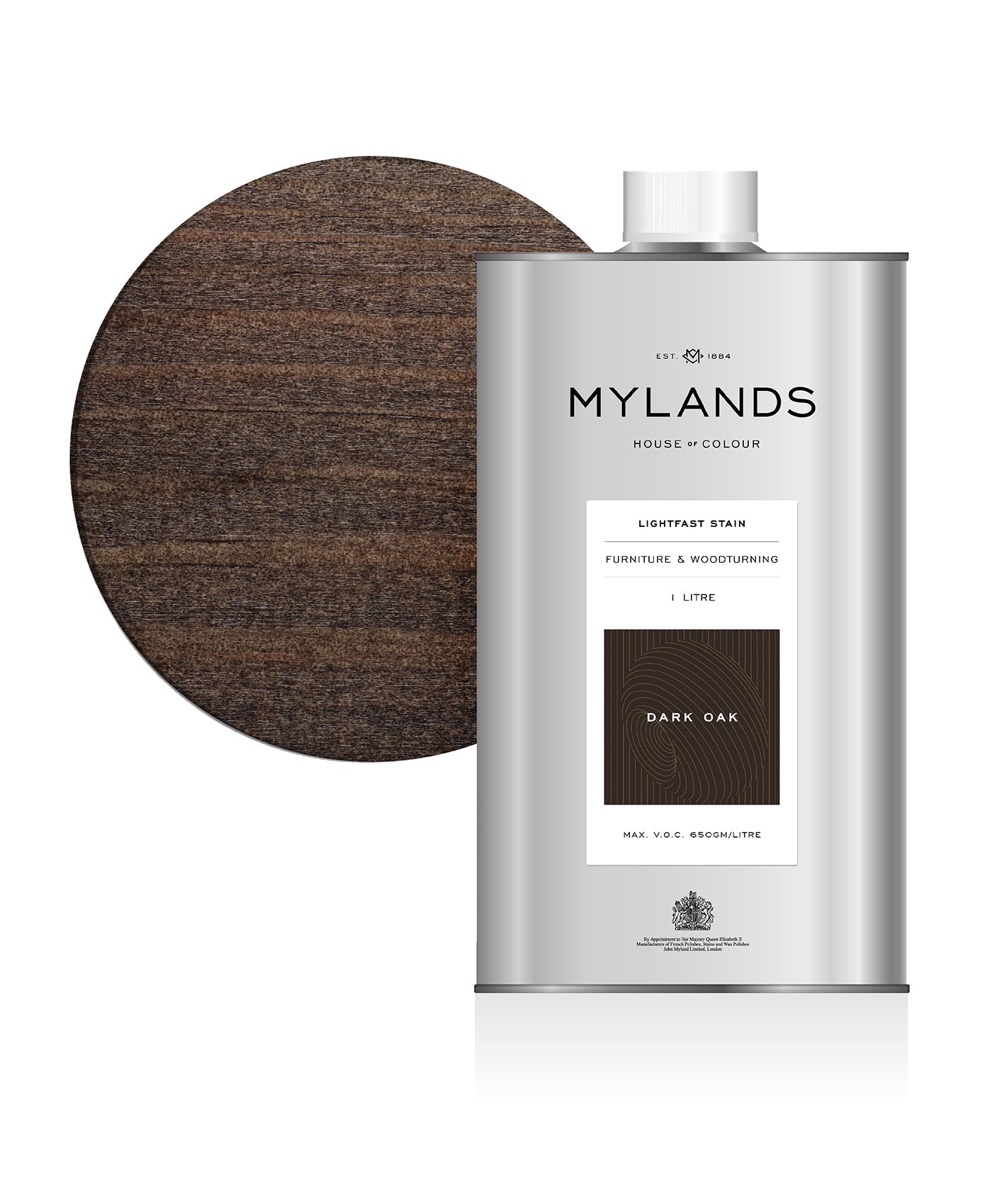
With a Mylands Wood Stain, and always test first on your own timber.
-
Seal and finish
French polish for a traditional antique, oil for a natural table, wax for a soft, tactile finish.
Products
For restoring furniture
Questions
Restoring furniture: your questions
How do I restore old furniture without stripping it?
Can I just wax over an old finish?
Should I sand antique furniture?
Can Furniture Cleaner and Reviver remove water marks?
Need advice?
Ask our team
Call us on 020 8670 9161, Monday to Friday, or visit our showroom in West Norwood. We make every tin, so we can answer almost anything.