By surface & project
Worktops and chopping boards
Oil, built up properly before you use it
Which oil for which worktop?
| You want | Choose | Why |
|---|---|---|
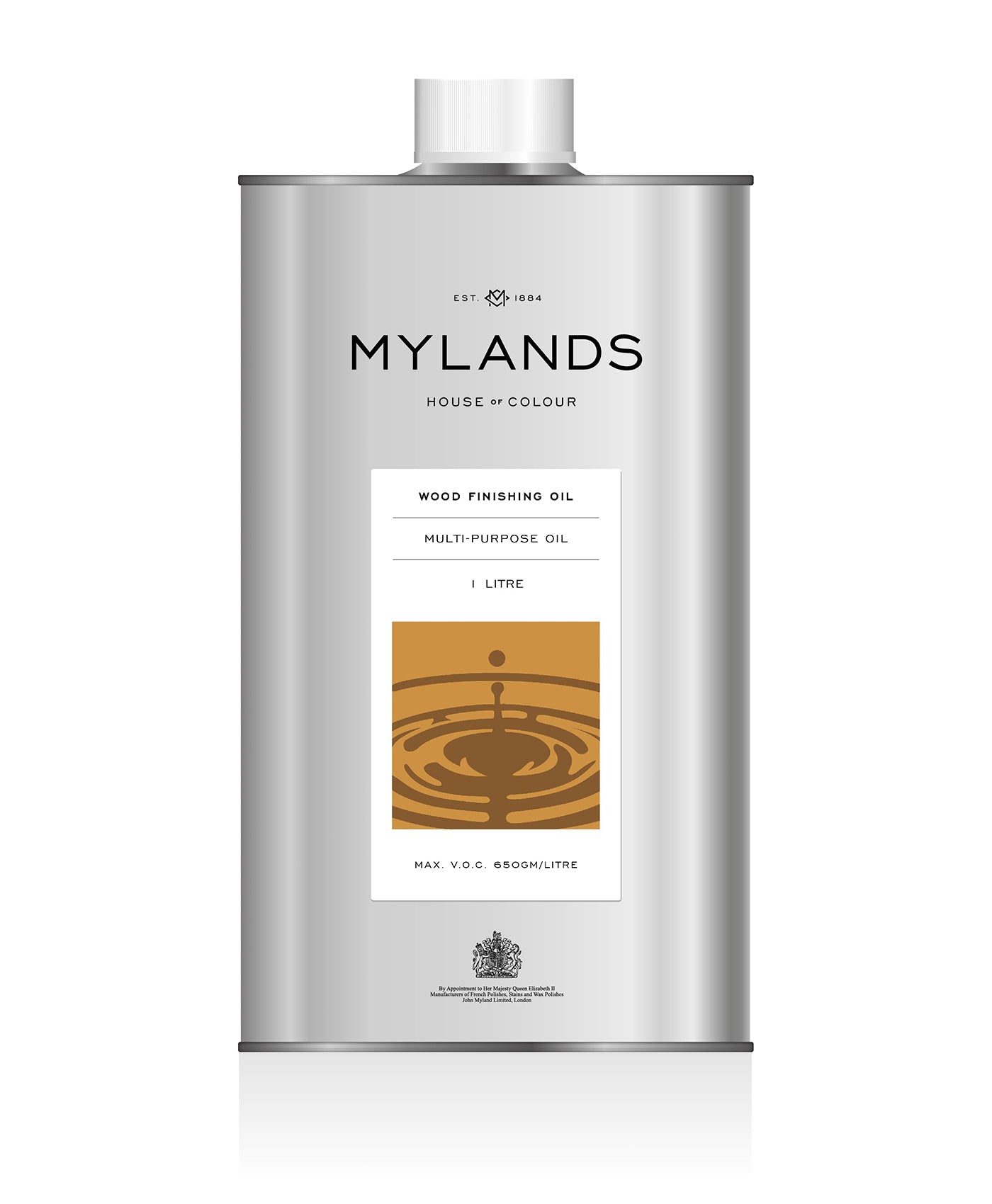
| A hard-wearing everyday kitchen worktop | Wood Finishing Oil | Made for kitchen and bathroom worktops, tables and furniture in constant use; tung oil gives it strength |
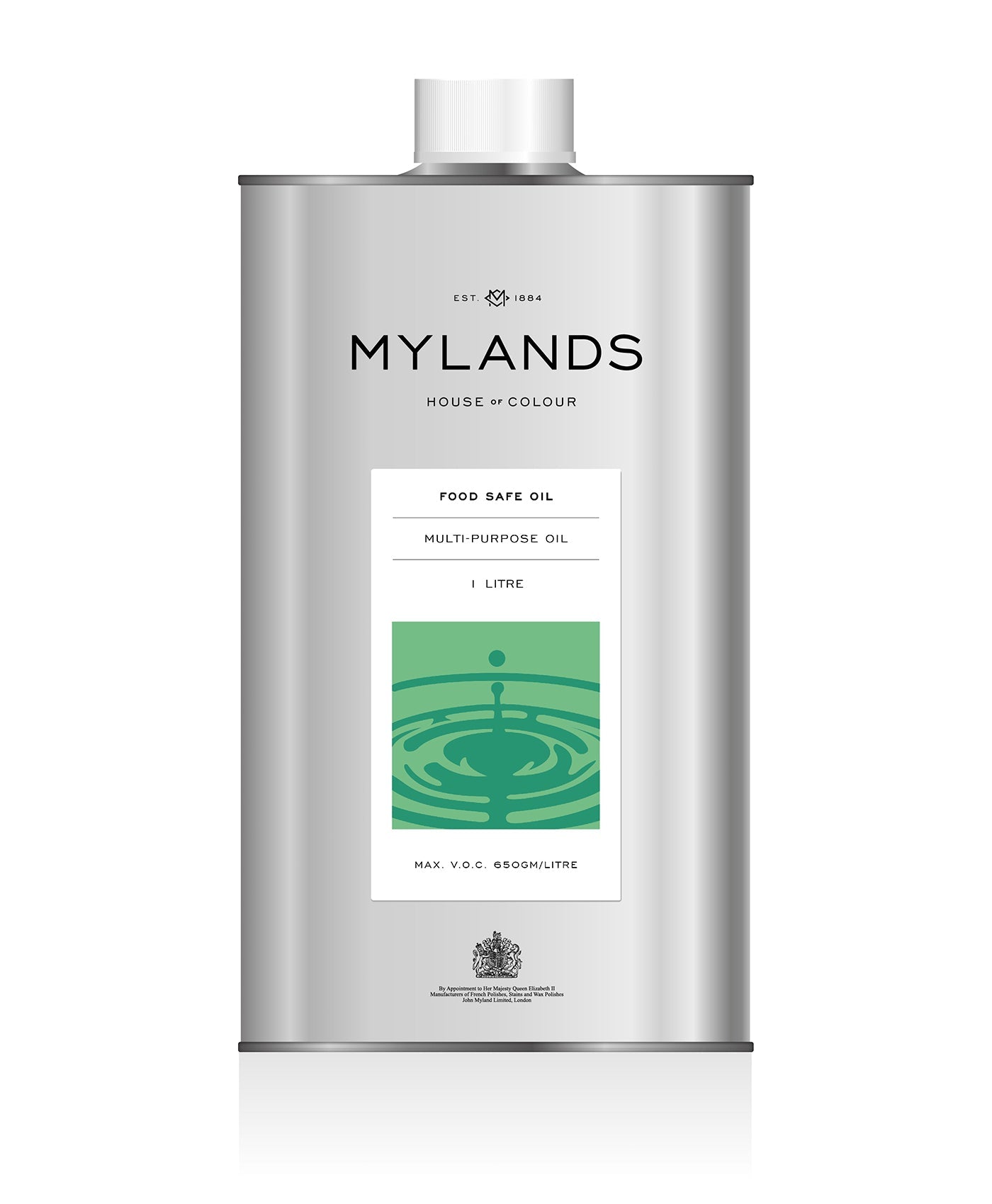
| A surface you prepare food on, a butcher’s block or a chopping board | Food Safe Oil | Food safe, tasteless and odourless, for surfaces that touch food |
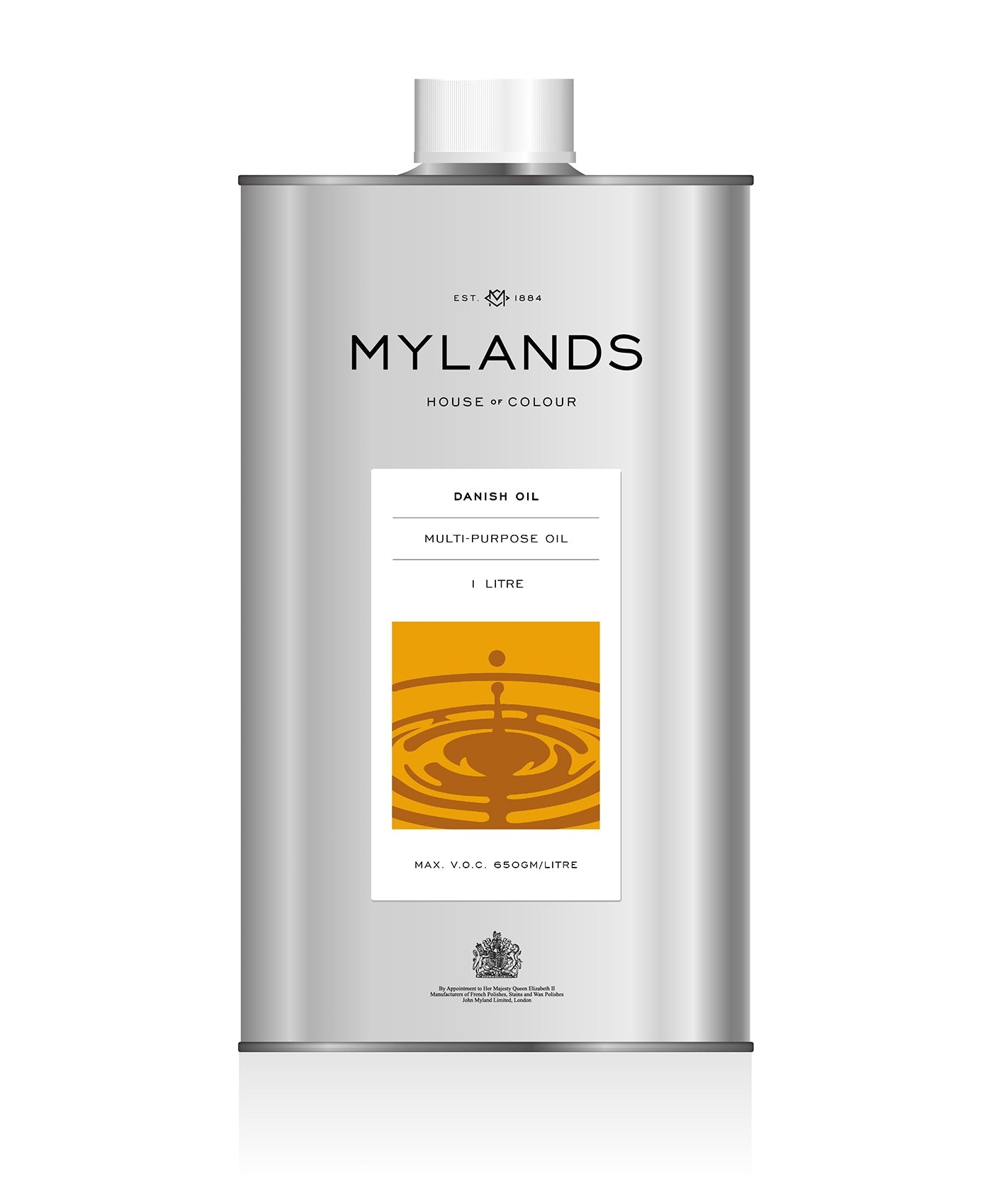
| A quick, easy satin finish | Danish Oil | Fast drying and water resistant; may need refreshing a little more often |
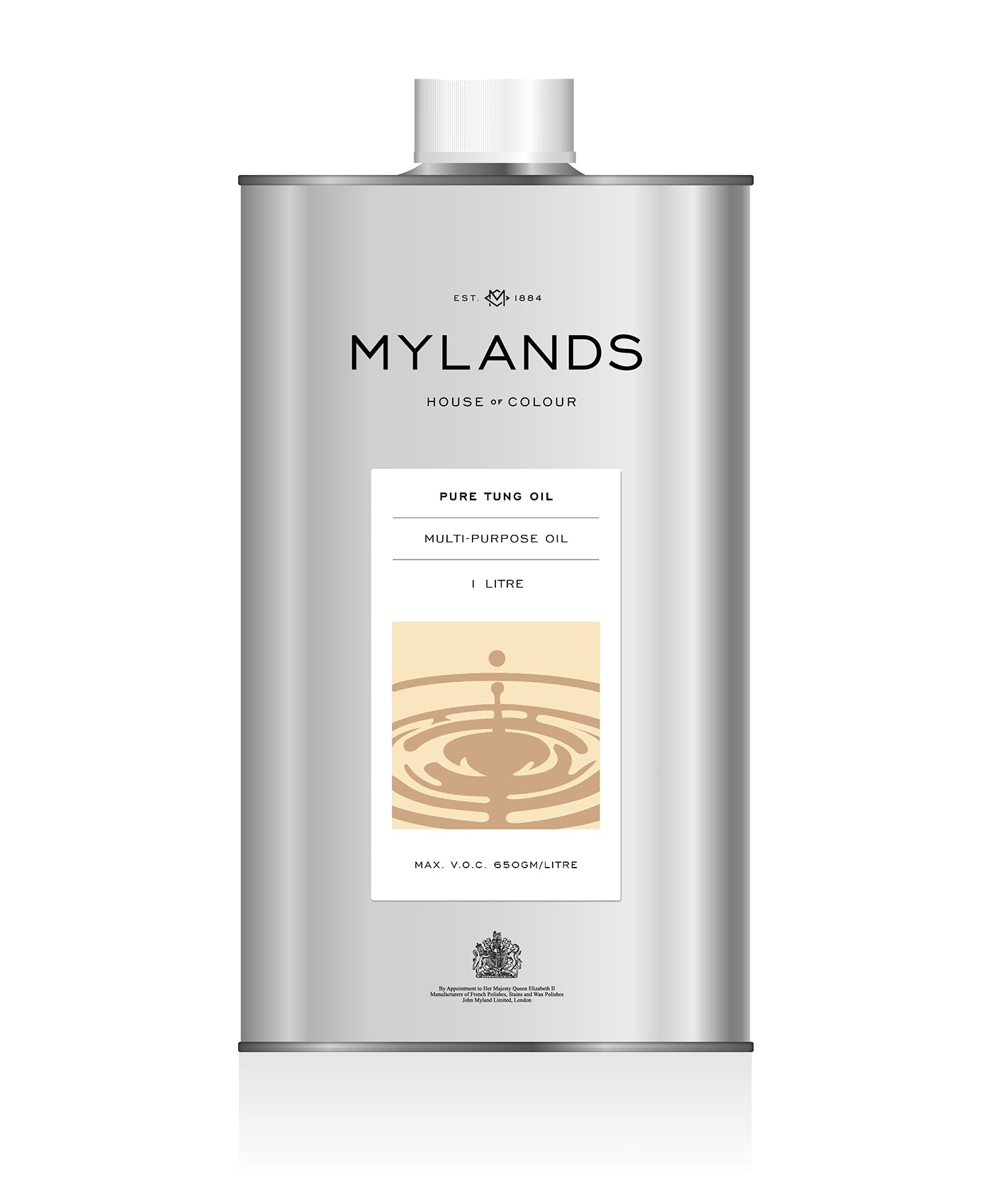
| A slow-built, traditional pure oil finish | Pure Tung Oil | A pure natural oil that builds water resistance through patient, thin coats |
Prepare food straight on the worktop? Use Food Safe Oil on that area, or use a separate chopping board.
Why oil rather than varnish?
Why oil?
Before you oil
Preparing a new worktop
-
Let it acclimatise
Store the worktop flat in the room for a few days before fitting.
-
Sand it smooth
Sand along the grain at 120, then 240 to refine, and remove all dust.
-
Oil every surface
Coat the top, underside, edges and ends before fitting. Unsealed undersides and ends can make a worktop cup or split.
-
Seal the cut-outs
Give the sink and hob cut-outs and all end grain extra coats. End grain drinks in water like a sponge.
Applying
How to oil a worktop with Wood Finishing Oil
-
Thin coat
Apply with a lint-free cloth or brush, working along the grain.
-
Let it soak in
Leave it for a few minutes.
-
Wipe off the surplus
Wipe off all of it with a clean, lint-free cloth. Oil left on the surface stays sticky and dries unevenly.
-
Let it dry
Touch dry in about 4 hours. Leave 12 hours before the next coat at 20°C.
-
Build up the coats
At least 3 to 4 coats, rubbing down lightly between coats with very fine abrasive.
-
Coverage
10 to 12 m² per litre, per coat. Ask us how long to leave the last coat before heavy use.
Martin’s advice
More oil, applied heavily, does not give a faster or better finish. Thin coats, with every trace of surplus wiped off, are what build lasting protection.
From the Mylands Experts
The butcher’s block
A traditional butcher’s block, scrubbed and oiled every day for generations, does not need a thick, perfect coating. It needs regular attention: clean it, let it dry, feed it with oil, and it will last a lifetime.
Martin’s advice: re-oil when the surface begins to look dry. Don’t wait until you can see a change in colour.
Shop
For worktops and chopping boards
Afterwards
Caring for it, and fixing marks
Questions
Worktop questions
How many coats of oil does a new worktop need?
How long between coats of oil?
How often should I oil my worktop?
Can I use Food Safe Oil on the whole worktop?
How do I get black marks off my wooden worktop?
Need advice?
Ask our team
Call us on 020 8670 9161, Monday to Friday, or visit our showroom in West Norwood. We make every tin, so we can answer almost anything.