Wood care
Choosing a wood finish
Oil, wax, varnish, lacquer or French polish: six questions to find the right one
Before you choose
Six questions to ask
-
What is it?
Floors need a tough, foot-traffic finish. Worktops and chopping boards need something safe around food. Furniture can have a softer, more beautiful finish that you refresh now and then.
-
Indoors or outdoors?
Outdoor wood faces rain, frost and sun, so it needs a finish made for the job and more regular care. Most Mylands finishes are for interior use. For garden furniture in teak, iroko and other hardwoods, choose Durax Teak Oil.
-
Is the wood really bare?
Old wax, oil, lacquer or polish can stop a new finish from soaking in or sticking. If water beads on the surface, or a scratch looks lighter than the surface around it, there is probably something on it already.
-
What was used on it before?
If you know the existing finish, you can often refresh it rather than strip it: re-oil an oiled table, rewax a waxed chest, revive French polish. If you don’t know, always test first on your own timber, or ask the Mylands Experts.
-
What colour and sheen do you want?
Oils warm and deepen wood, water-based finishes keep it lighter, and sheen runs from a barely-there matt to a mirror gloss. To change the colour, a stain goes on first.
-
How much looking after will you do?
Oils and waxes are easy to refresh in patches but need regular care. Varnishes and lacquers need less day-to-day attention, but are harder to repair invisibly when they finally wear.
Martin’s advice
Explain the maintenance at the start, not after the finish has failed.
Finish finder
Which finish for which job?
| I want to finish… | Our starting recommendation | Why |
|---|---|---|
| A wooden floor, natural look | Hard Wax Oil | Durable, natural, and easy to repair in patches |
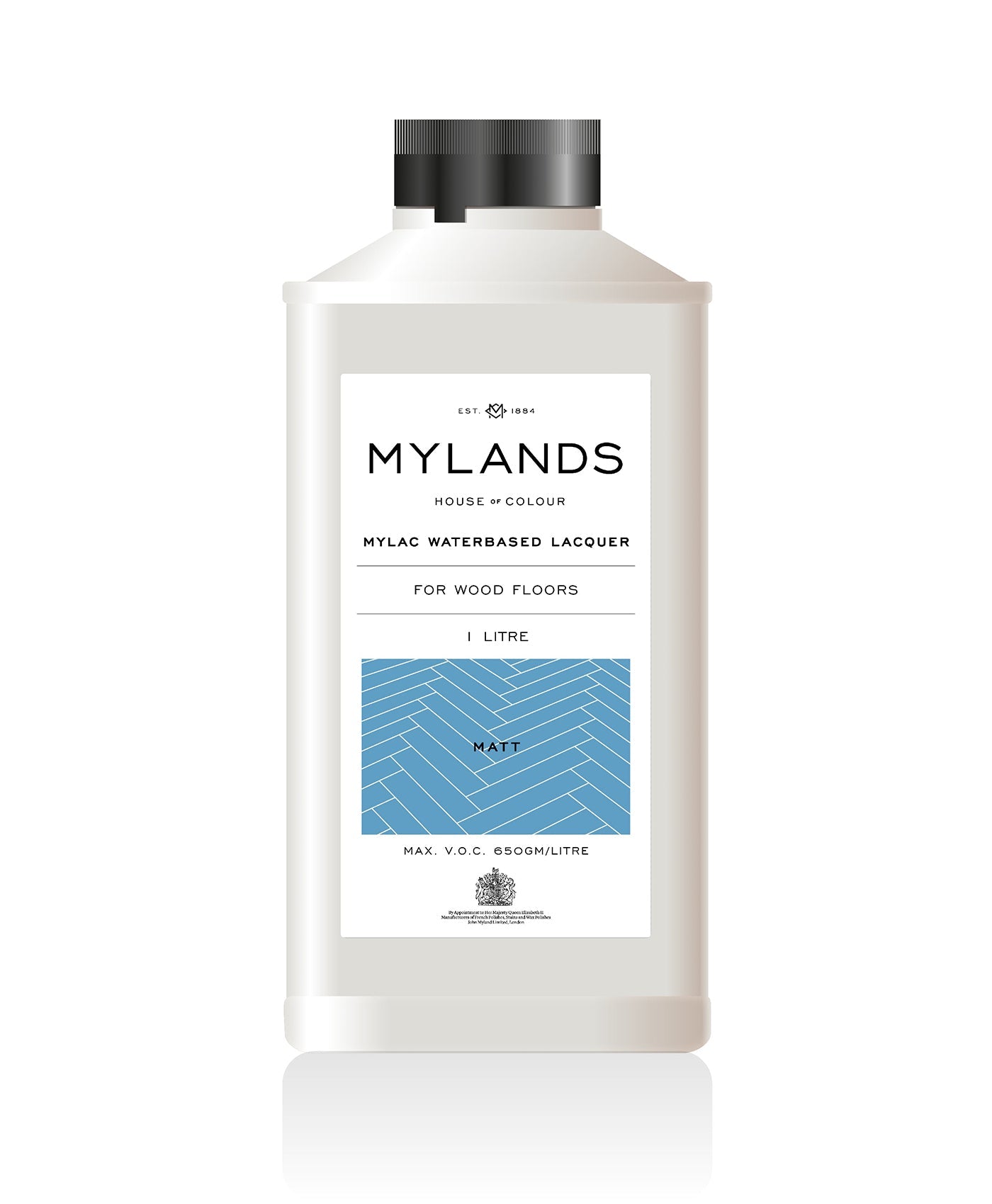
| A wooden floor, tough sealed finish | MyLac (homes) or MyLac Extra (busy and commercial floors) | Hard-wearing water-based floor lacquer in Matt, Satin or Gloss |
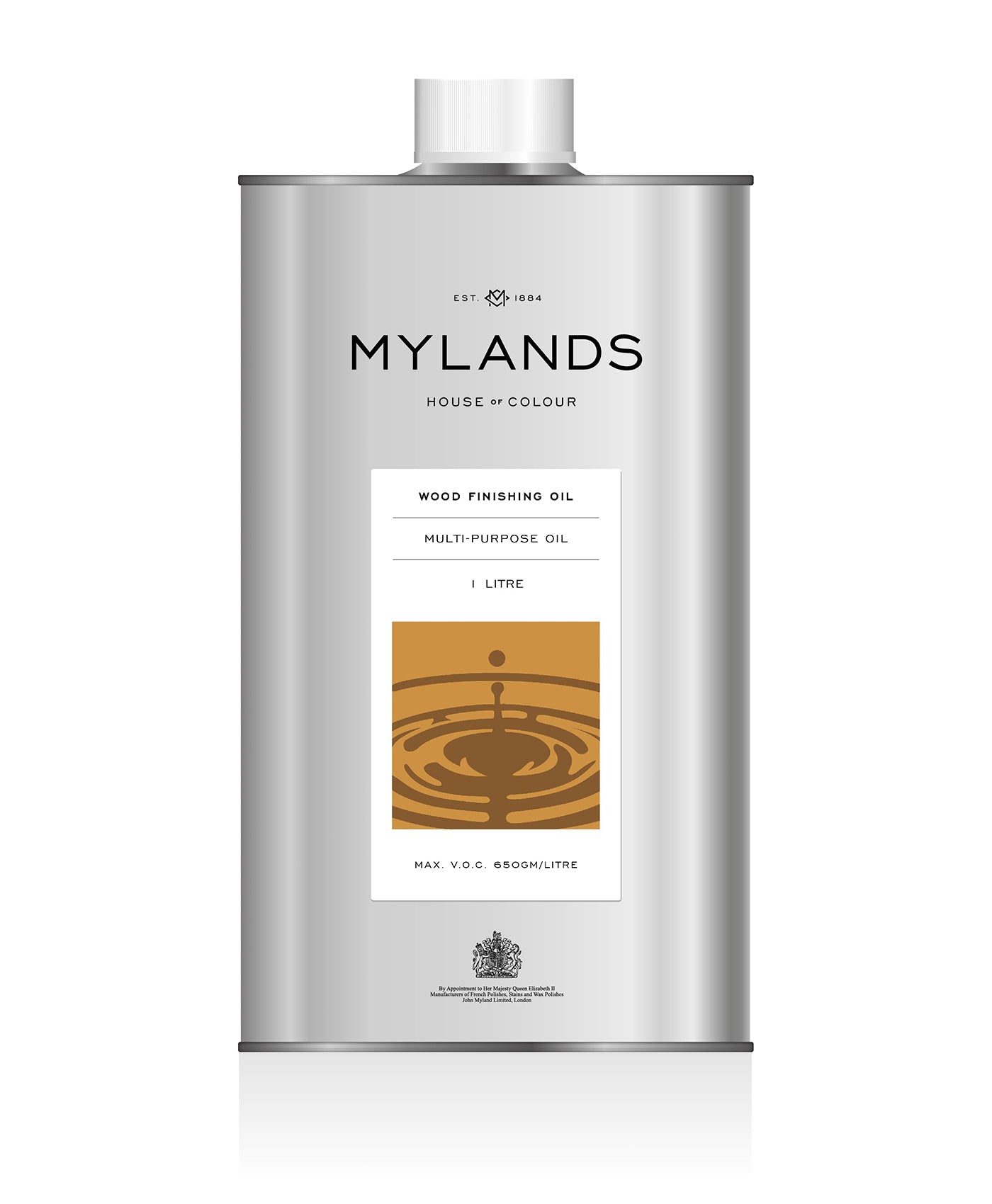
| A dining or coffee table | Wood Finishing Oil or Danish Oil, or Hard Wax Oil for a tougher finish | A natural, tactile finish that is easy to refresh |
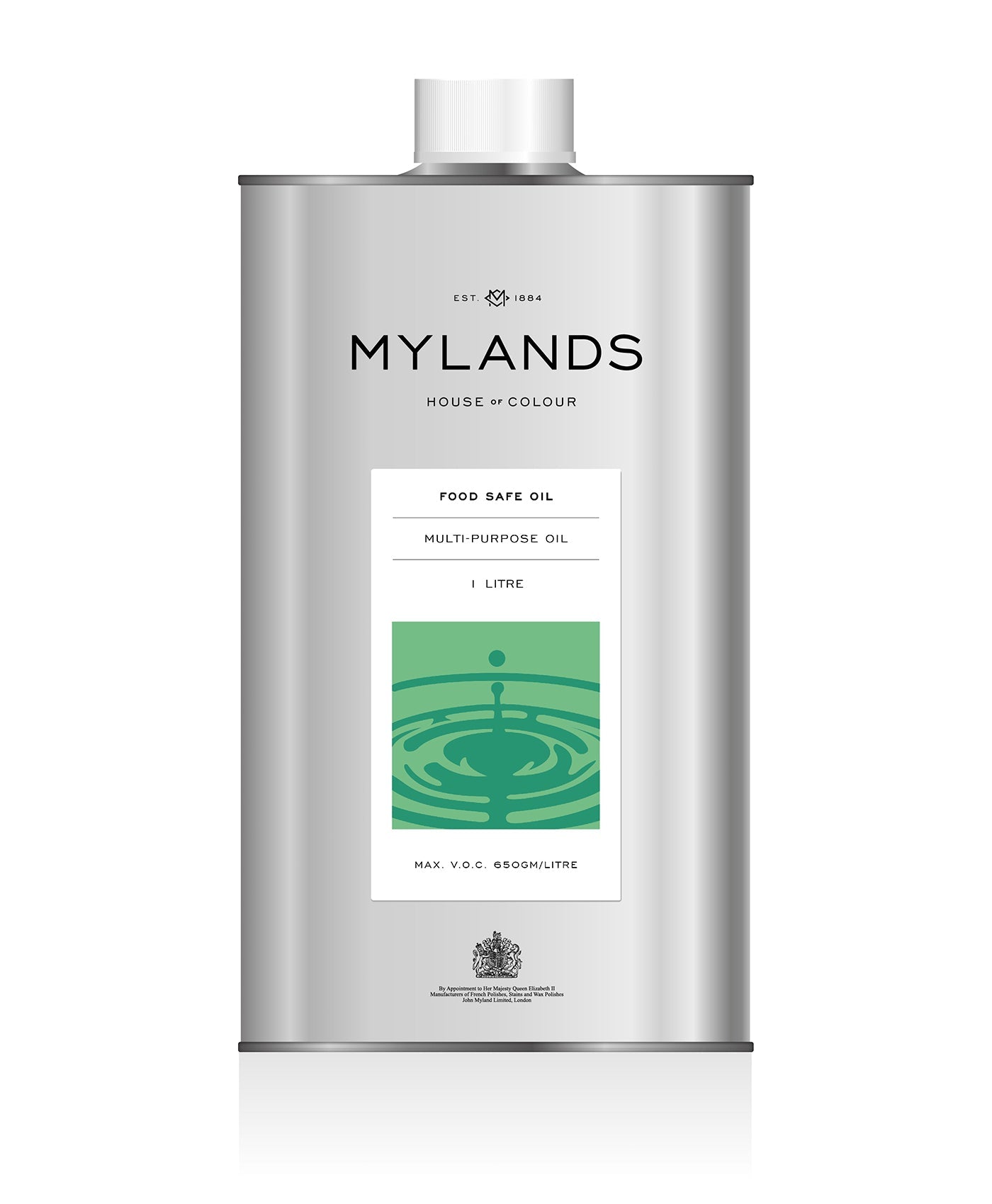
| A chopping board, butcher’s block or food-prep surface | Food Safe Oil | Made for surfaces that touch food |
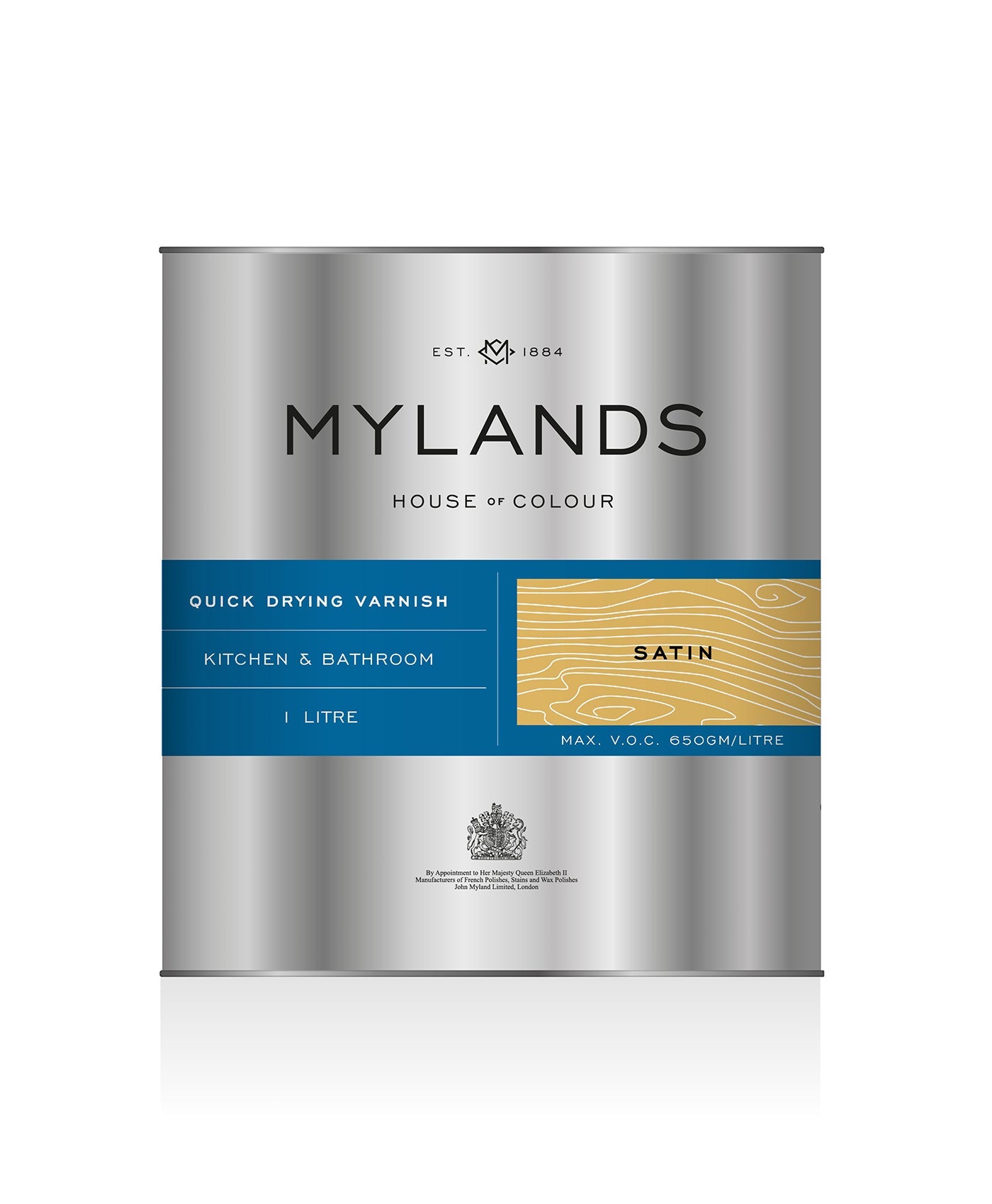
| Kitchen cabinets and bathroom woodwork | Quick Dry Kitchen and Bathroom Varnish | Clear, wipeable and quick drying |
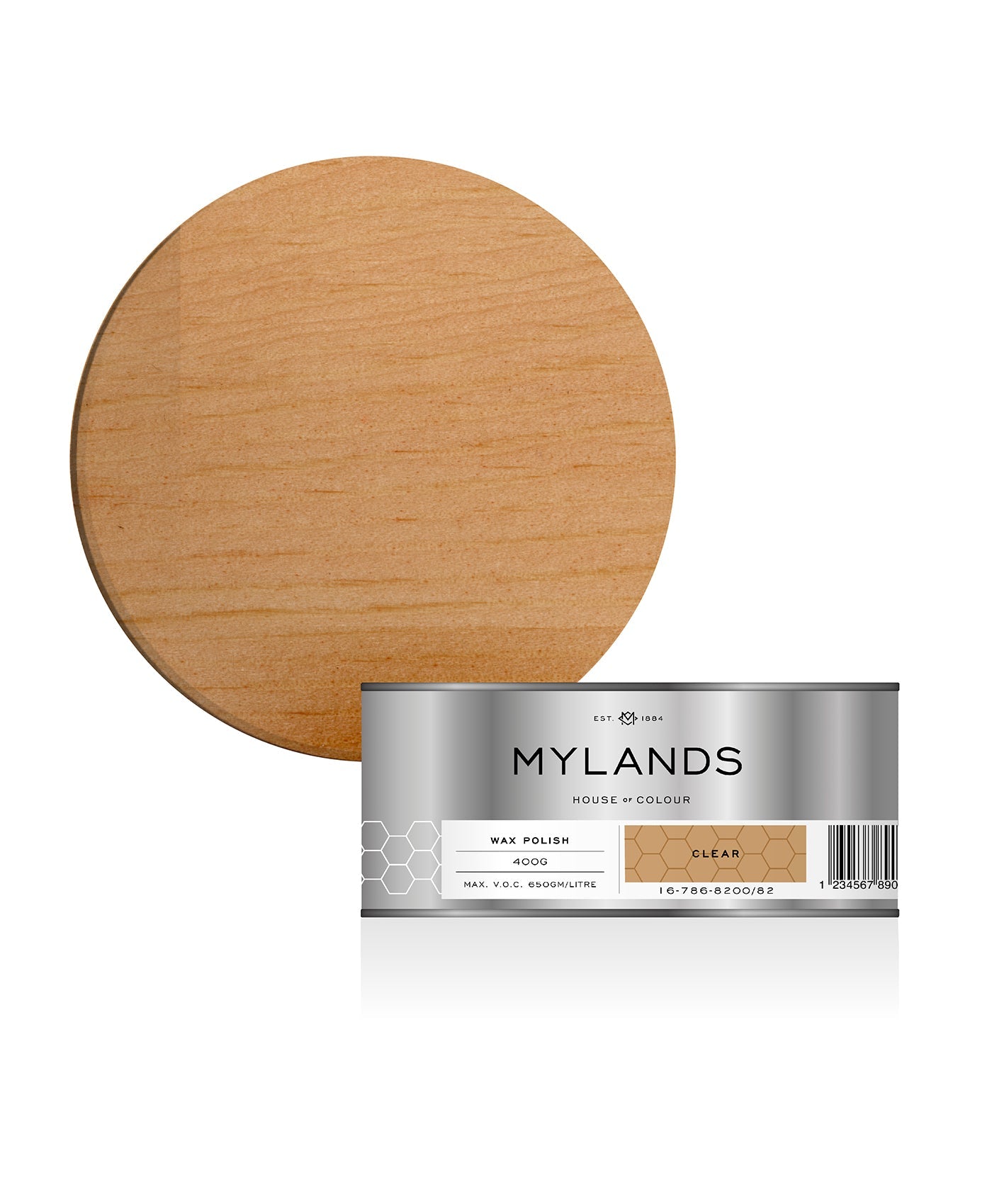
| Antique or fine furniture | French Polish or Wax Polish | Traditional finishes that can be repaired and revived |
| Teak and hardwood garden furniture | Durax Teak Oil | Replaces natural oils lost through weathering |
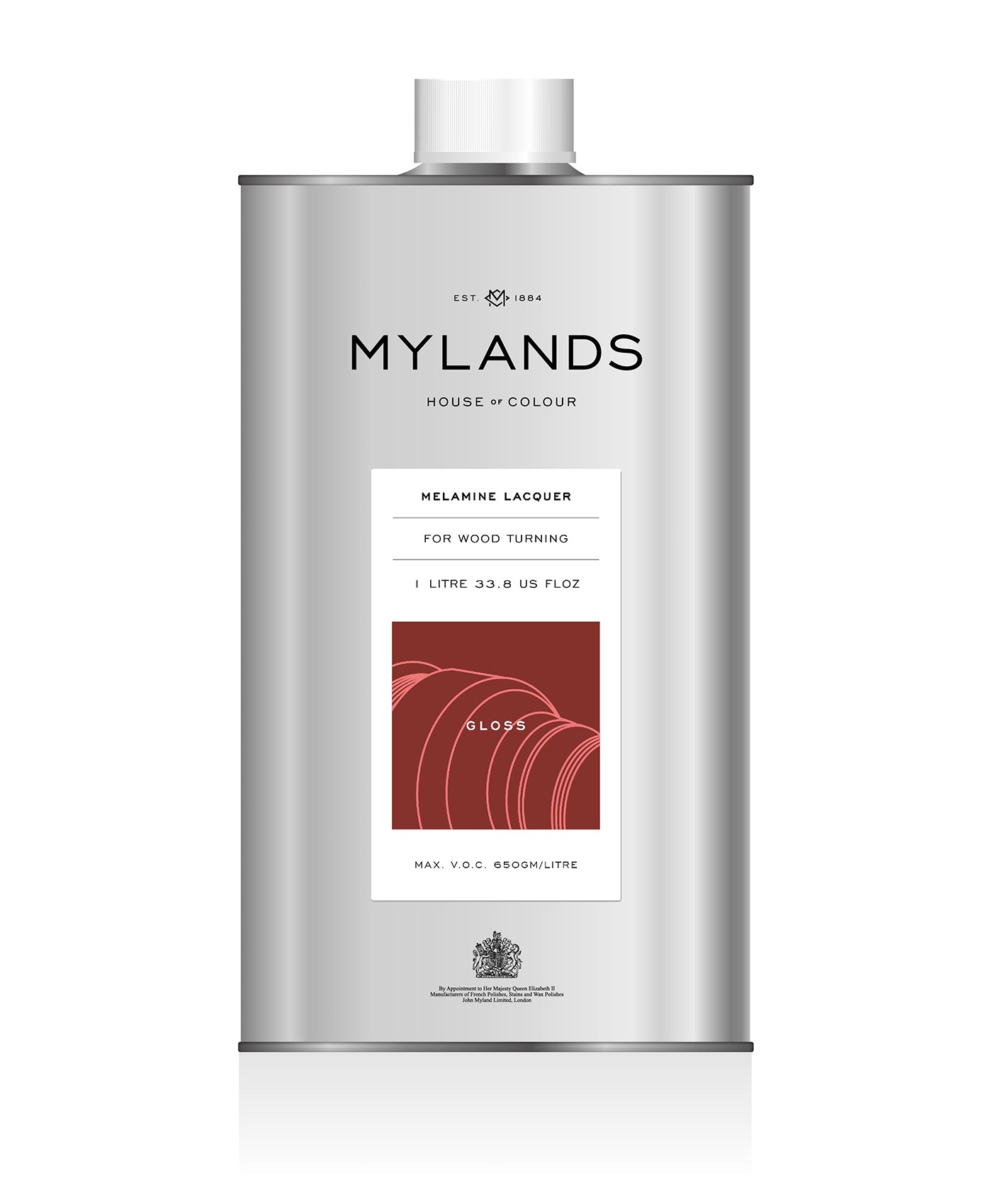
| Doors, skirting, handrails and turned work | Melamine Lacquer | A hard, heat- and water-resistant clear finish |
| Wooden toys | Acrylic Sealer under a water-based topcoat | Water-based; Acrylic Sealer complies with EN71 for toys |
| Guitars, violins and other instruments | Citrus Oil | A gentle, low-build oil for instrument care |
| Bowls and pens on the lathe | Cellulose Sanding Sealer and High Build Friction Polish | A fast, glossy finish on the lathe |
Compare
Choosing by type of finish
| Finish | How it works | Look and feel | Protection | Upkeep |
|---|---|---|---|---|
| Oil | Sinks in, feeds the wood and hardens inside the grain | Natural, warm, low sheen | Moderate | Re-oil when it looks dry |
| Hard Wax Oil | Oils that sink in, feed the wood and harden within the grain, and waxes | Natural with a soft sheen | Good | Clean, then refresh worn areas |
| Wax | Sits on top and is buffed | Soft, warm lustre | Hard-wearing when maintained | Buff often, rewax when dull |
| Varnish | A surface coating that builds a clear film | Matt to Gloss | High | Wipe clean, recoat when worn |
| Lacquer | A surface coating that builds a hard clear film | Matt to Gloss | High to very high | Clean, recoat when worn |
| French polish | Thin shellac layers built up by hand | Deep, glowing shine | Light to moderate | Careful use, revive or repolish |
From the Mylands Experts
The floor that should not have been sanded
Martin remembers a floor that had always responded beautifully to a good clean and a fresh coat of wax. Years later, wear led the owner to have it sanded back to bare wood, and then they could not get back the colour they had loved. Decades of patina had gone in an afternoon.
Before you strip or sand anything, clean a small area, let it dry and look again. You may find far more good finish, and far more character, than you expected.
Martin’s advice: do not assume sanding is automatically the best restoration method. Once the colour and character have gone, they are very hard to bring back.
Products
Start with these finishes



Questions
Choosing a finish: your questions
What is the most hard-wearing wood finish?
What is the most natural-looking wood finish?
Should I oil or varnish my table?
Can I put a different finish over an old one?
Which finish is safe for food?
Need advice?
Ask our team
Call us on 020 8670 9161, Monday to Friday, or visit our showroom in West Norwood. We make every tin, so we can answer almost anything.