Naar inhoud

Britse hofleverancier

Met 4,8 sterren beoordeeld door onze klanten

bekroonde verfcollecties

Uw paletten

Paletpagina
Paletpagina

Kleuren opslaan in

Bewaar uw paletten

Uw paletten zijn alleen op dit apparaat opgeslagen. Log in om ze op uw telefoon en computer te bewaren, en om ze met onze kleurspecialisten te delen wanneer u een kleuradvies boekt.

Inloggen Account aanmaken

Stalen bestellen

Colour Swatches · Binnenkort

Een kaart geverfd met de echte verf, de eerste drie gratis.

Laat het mij weten

    Uw winkelwagen

    Uw winkelwagen is leeg.

    Kleuren bekijken Stalen bestellen

    Bestsellers

    Afwerking of formaat wijzigen

    Wood care

    Types of wood

    How oak, pine, ash, beech, maple, walnut, mahogany and teak take stain, oil and wax

    Grain

    Open grain or close grain?

    Two boards can be stained from the same tin and come out looking completely different. That isn’t the stain’s fault: it is the wood. Every timber has its own grain, density, natural oils and base colour, and each one drinks in stain, oil and wax in its own way.

    • Open-grained woods such as oak, ash, elm, chestnut, walnut and mahogany have visible pores. Stain and oil collect in them, which shows off the grain. They can be grain-filled for a glass-smooth French polish, or limed for a pale, decorative effect.
    • Close-grained woods such as pine, beech, maple, birch and cherry have tiny pores. They give a smoother surface, but some of them, especially pine and maple, can take stain unevenly.

    Next

    Wood by wood

    Wood by wood

    How each wood takes a finish

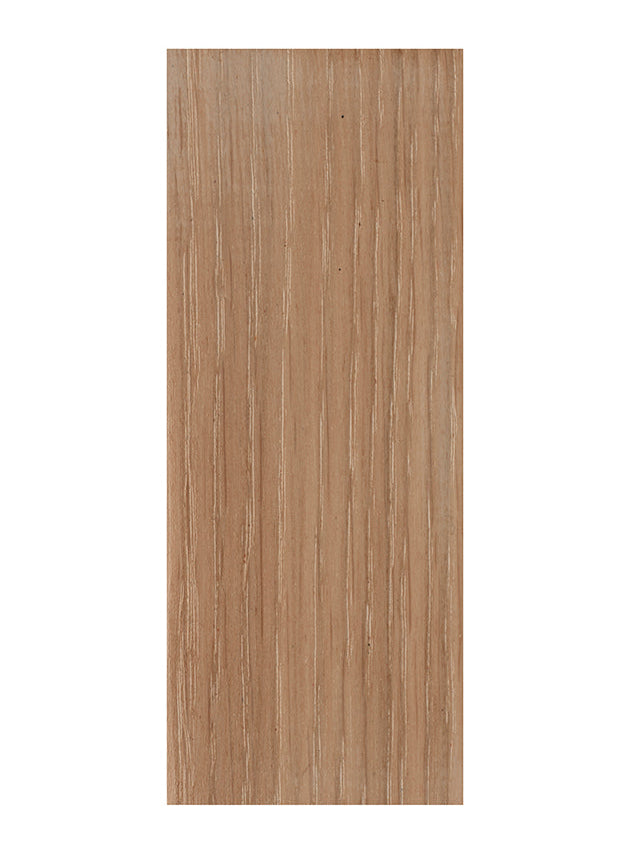
    Oak. Strong, open grain with beautiful flecks, especially on quarter-sawn boards. Light honey-brown when new, deepening with age. Takes stain evenly, and the same stain often looks lighter on oak than on pine; brushed oak holds more colour in its pores and flecks, so expect stronger contrast.

    • Watch out for: oak turning orange or yellow under oil-based finishes and with age. To keep it pale, try Earth Stain Chalk, Silt or Washed Umber under the finish.
    • Best Mylands finishes: Hard Wax Oil or MyLac for floors; Wood Finishing Oil, Danish Oil or Wax Polish for furniture; Liming Wax for a limed look; Light Fast and Earth Stains for colour. Outdoors, use Danish Oil rather than Durax Teak Oil, building several coats with extra on the end grain.
    • Sanding: for floors, clean thoroughly, then start at 80 grit and work up in increments to 120, or up to 180 at most, depending on the wood and the product, so stain and oil can soak in. Furniture can go finer, to around 240.

    Pine and other softwoods. Pale and creamy when new, with knots and a soft, springy feel. Takes stain darker and less evenly than oak: the soft spring growth soaks up more stain than the harder summer growth, which can look blotchy.

    • Watch out for: pine yellows and turns orange with age and light. Knots can weep resin through paint, so seal them with Patent or White Knotting before painting.
    • Best Mylands finishes: Light Fast Stain Antique Pine or Water Stain Antique Pine No. 3, finished with Stripped Pine, Antique Brown or Rustic Brown wax for a traditional look; Hard Wax Oil or MyLac for floors. Apply an extra coat of varnish or lacquer on softwood.
    • Never judge a stain colour for pine from an oak sample. Always test first on your own timber.

    Ash. Pale, almost white, with a bold, open grain like oak. Takes stain well, with strong grain contrast, and is popular for pale Scandinavian-style interiors.

    • Best Mylands finishes: water-based finishes such as MyLac or Quick Dry Kitchen and Bathroom Varnish keep it light; Liming Wax for a dramatic limed grain; Earth Stain Chalk to keep it pale.

    Beech. Pale pinkish-brown, close grained and very hard: common in chairs, worktops and toys. Takes stain fairly evenly, but its close grain means stain sits nearer the surface, so always test first on your own timber.

    • Best Mylands finishes: Wood Finishing Oil or Danish Oil for furniture and worktops; Food Safe Oil for chopping boards; Acrylic Sealer for toys.

    Maple. Very pale, smooth and tightly grained, used for worktops, floors and instruments. Takes stain with difficulty: an even, deep colour is hard to achieve, and it can blotch.

    • Best Mylands finishes: clear finishes that let its pale beauty show: Hard Wax Oil Natural, MyLac, Food Safe Oil for boards, Citrus Oil for instruments. If you want colour, test carefully and don’t expect a deep, even result.

    Walnut. Rich chocolate brown with a beautiful figure, open grained and prized for fine furniture. Oils and French polish bring out its depth wonderfully, and it rarely needs staining.

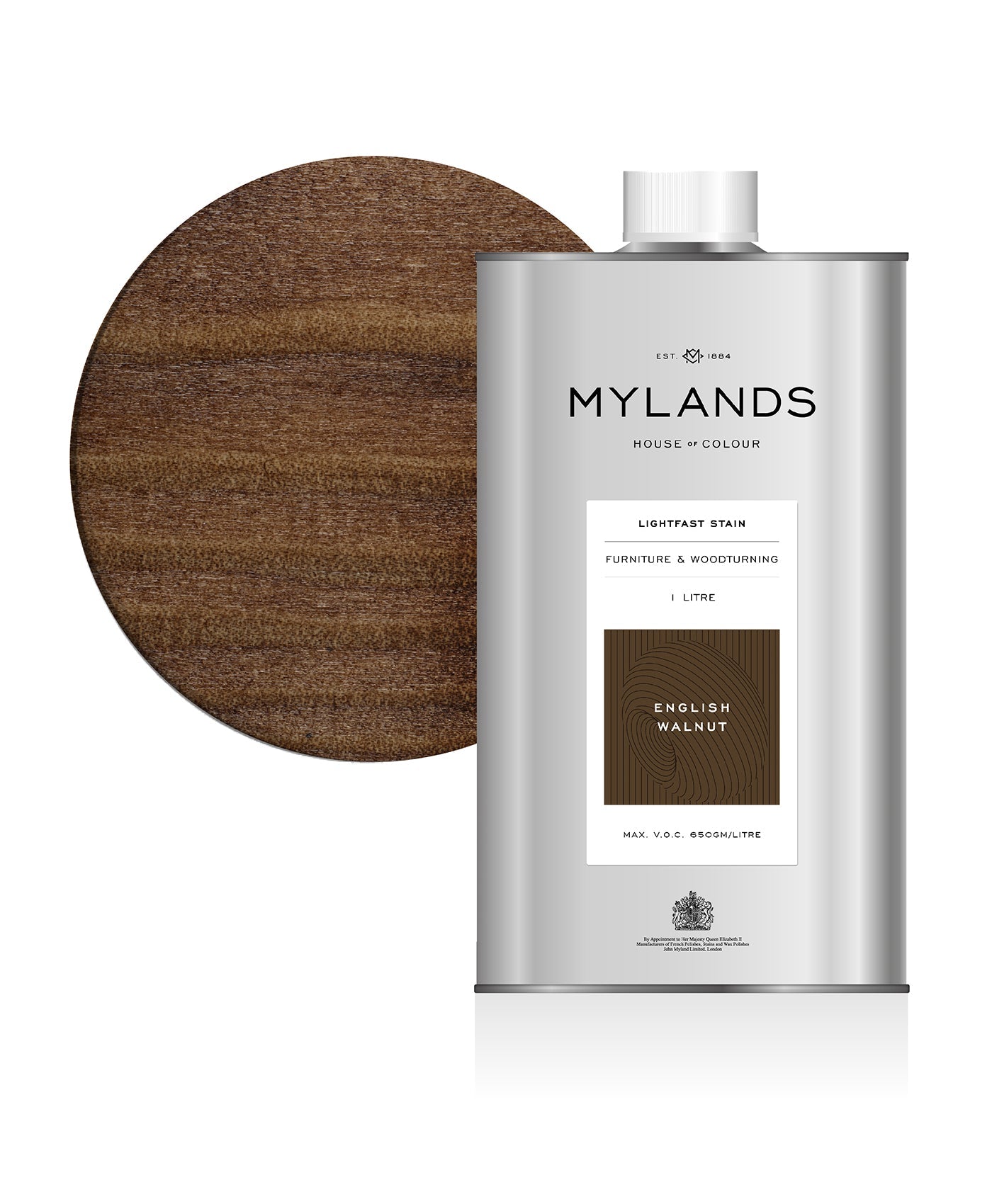
    • Best Mylands finishes: French Polish, Danish Oil, Wood Finishing Oil or Wax Clear. Light Fast Stain English Walnut or Walnut can colour-match repairs.

    Mahogany. Warm reddish-brown with an open grain and lovely depth: the classic timber of Georgian and Victorian furniture. It was traditionally French polished, with the open grain filled first for a glass-like shine.

    • Best Mylands finishes: French Polish, Garnet or Button Polish for warmth, with Water Stain or Nitrostain Brown or Red Mahogany for colour under the polish.
    • Wax Antique Mahogany can go over bare wood or Water or Light Fast stained wood, but not over Nitrostains, as the wax can lift the stain.

    Teak and iroko. Dense, oily hardwoods that resist weather and water. Teak is golden brown; iroko is similar and often used in its place. Their natural oils can slow drying and stop some finishes sticking, so oils made for them work best.

    • Best Mylands finish: Durax Teak Oil, a blend of tung and linseed oil that replaces the natural oils lost through weathering, for garden furniture and indoor pieces.
    From the Mylands Experts

    Always test on the real thing

    The question we hear most often is “what will this colour look like?” Our honest answer is always the same: it depends on the wood. The swatches on a colour card are a guide, but the only way to know is to try the stain on an offcut of your own timber, sanded the same way, and take it all the way through to the final coat.

    Martin’s advice: don’t approve a stain while it’s wet. Judge it dry, then judge it again once the topcoat is on.

    Next

    The quick reference

    At a glance

    Quick reference

    WoodGrainStainsWatch out forMylands favourites
    OakOpenEvenly, often lighterOrange tones over timeHard Wax Oil, MyLac, Danish Oil, Liming Wax
    PineClose, softDarker, can blotchYellowing, resin knotsAntique Pine stains, pine waxes, Knotting
    AshOpenWell, strong contrastYellowing under oilMyLac, varnish, Liming Wax
    BeechCloseFairly evenlyHardness slows absorptionWood Finishing Oil, Food Safe Oil
    MapleVery closeUnevenlyBlotchingClear finishes, Citrus Oil
    WalnutOpenRarely neededLosing its depth under pale finishesFrench Polish, Danish Oil
    MahoganyOpenBeautifullyOpen grain under polishFrench Polish, Antique Mahogany wax
    Teak and irokoOpen, oilyRarely neededNatural oilsDurax Teak Oil

    Products

    Finishes mentioned here

    Shop all wood care
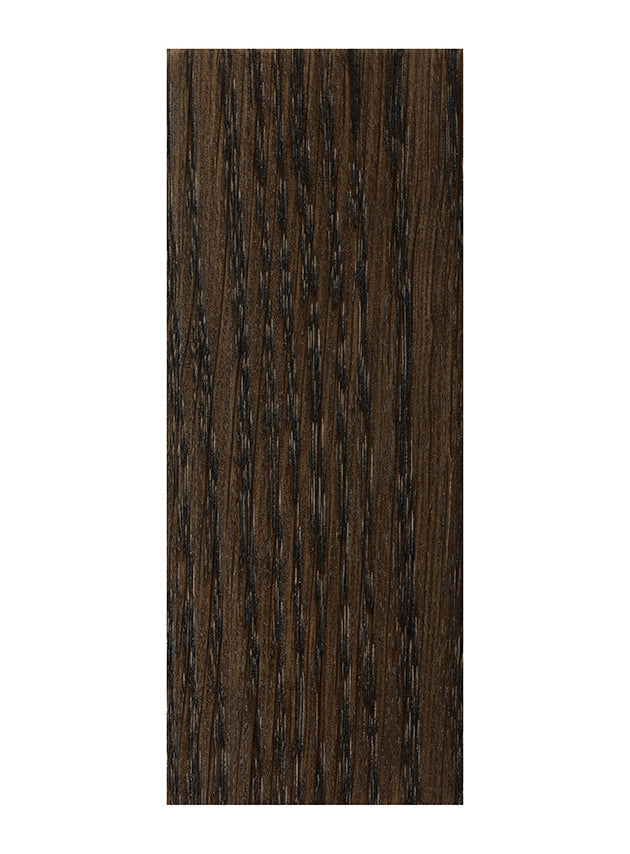
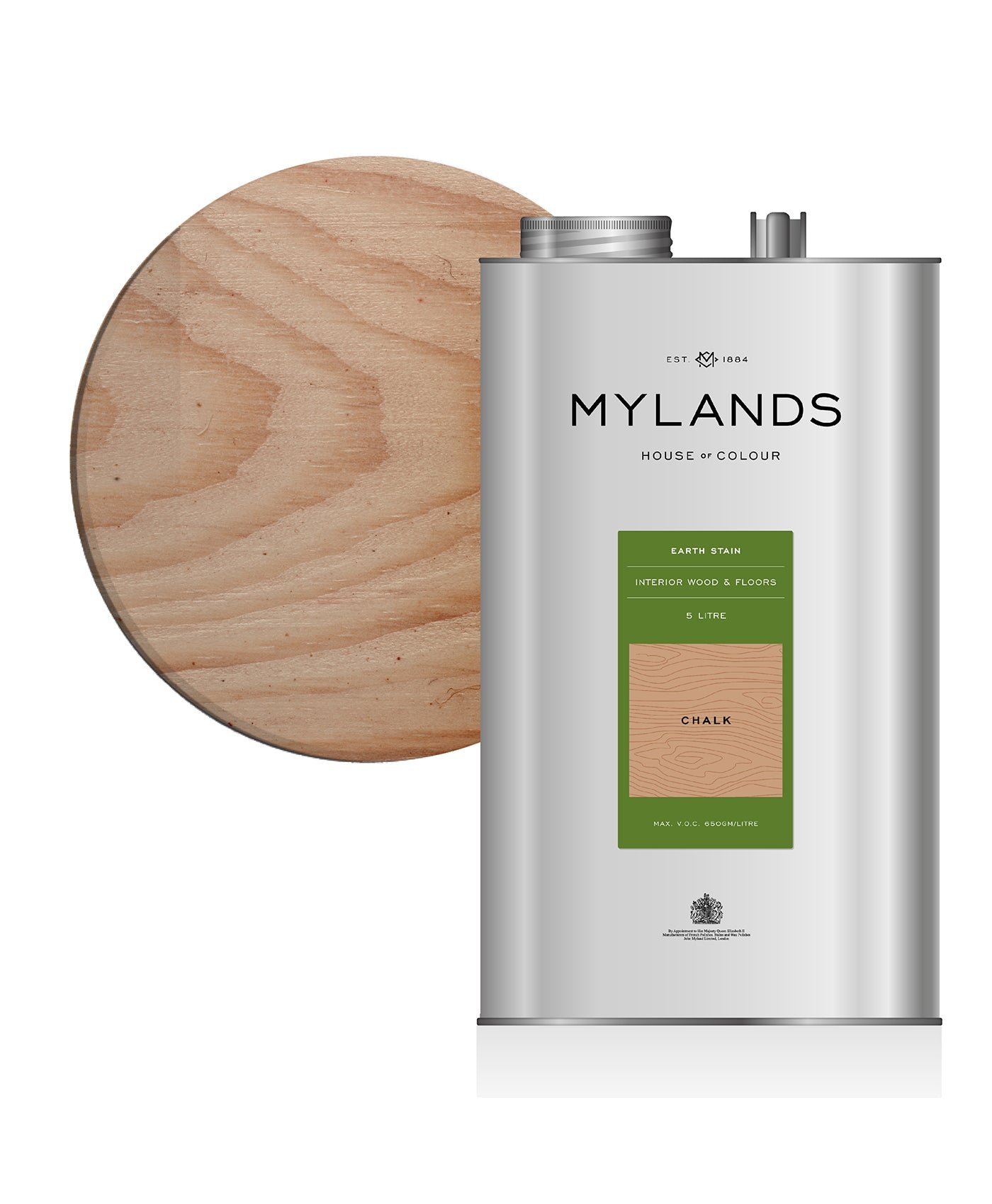
    • Earth Stain ChalkMYLANDS EARTH STAIN CHALK OP EIK - Houten paneel met een natuurlijke afwerking op een witte achtergrond
      Earth Stain Chalk
      AanbiedingsprijsVan £16.55
    • Light Fast Stain English WalnutLight Fast Stain English Walnut
      Light Fast Stain English Walnut
      AanbiedingsprijsVan £11.29
    • Hard Wax Oil NaturalHard Wax Oil Natural
      Hard Wax Oil Natural
      AanbiedingsprijsVan £48.20
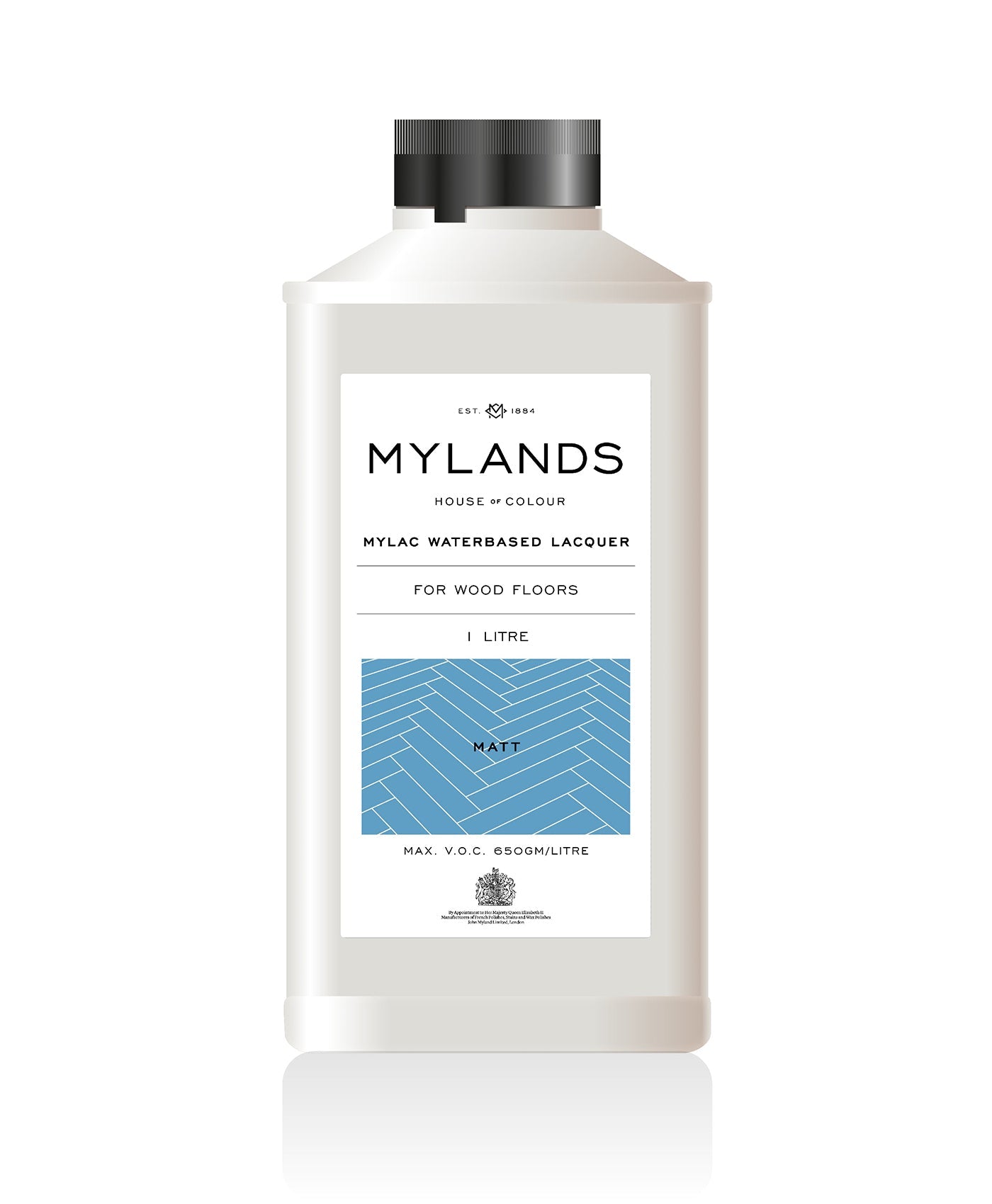
    • Mylac Matt
      Mylac Matt
      AanbiedingsprijsVan £47.78
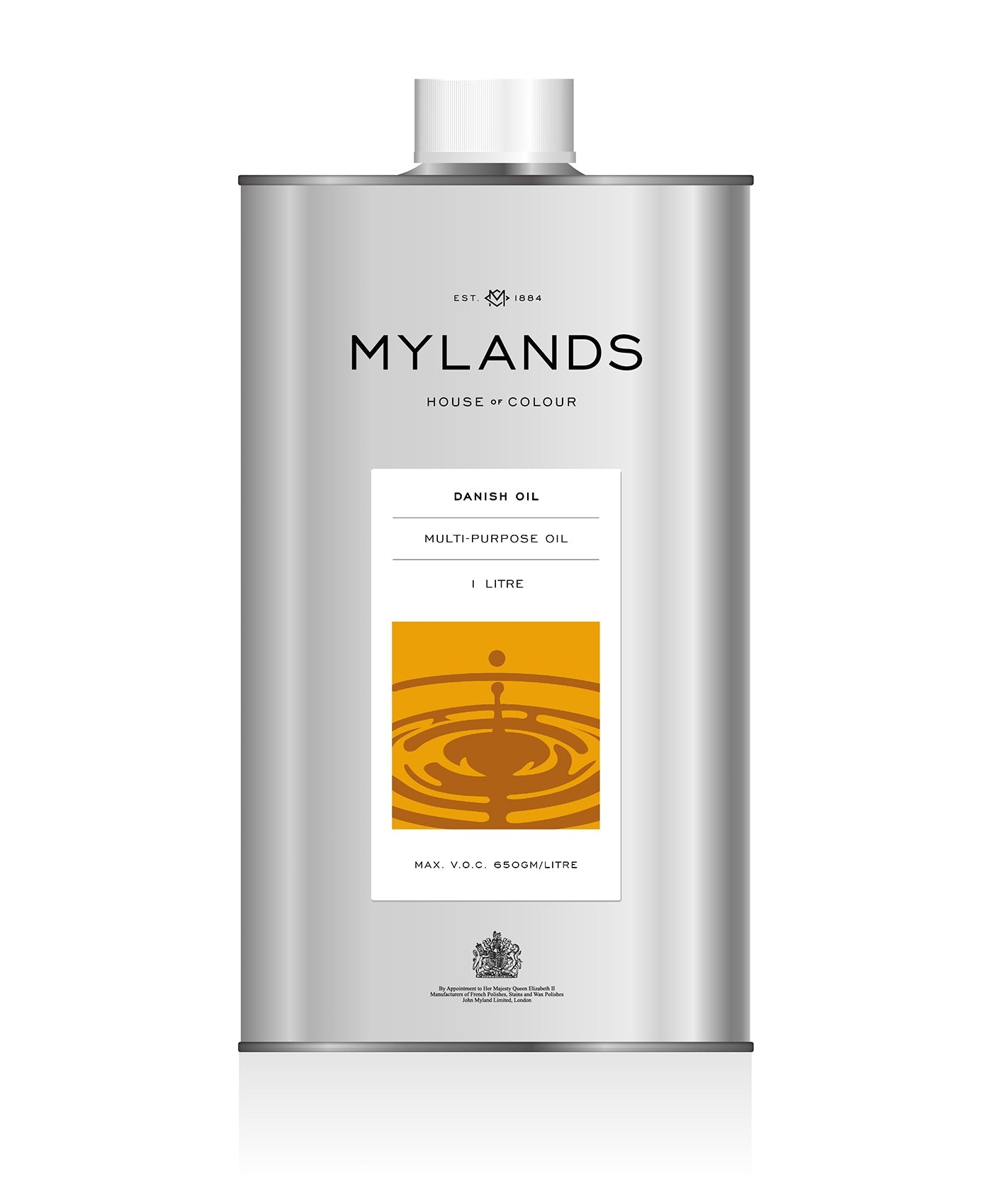
    • Deense Olie
      Deense Olie
      AanbiedingsprijsVan £8.45
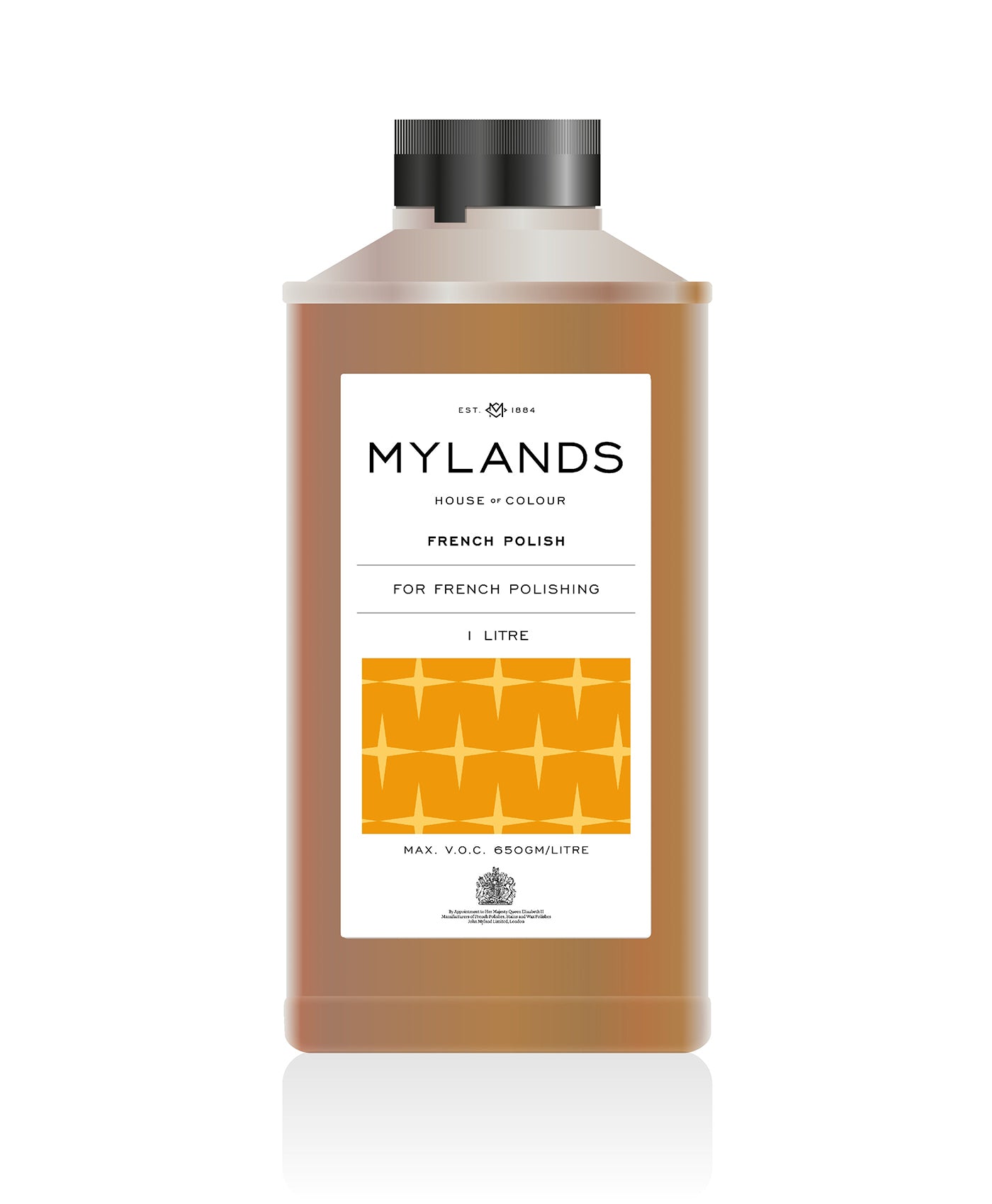
    • French Polish
      French Polish
      AanbiedingsprijsVan £11.89
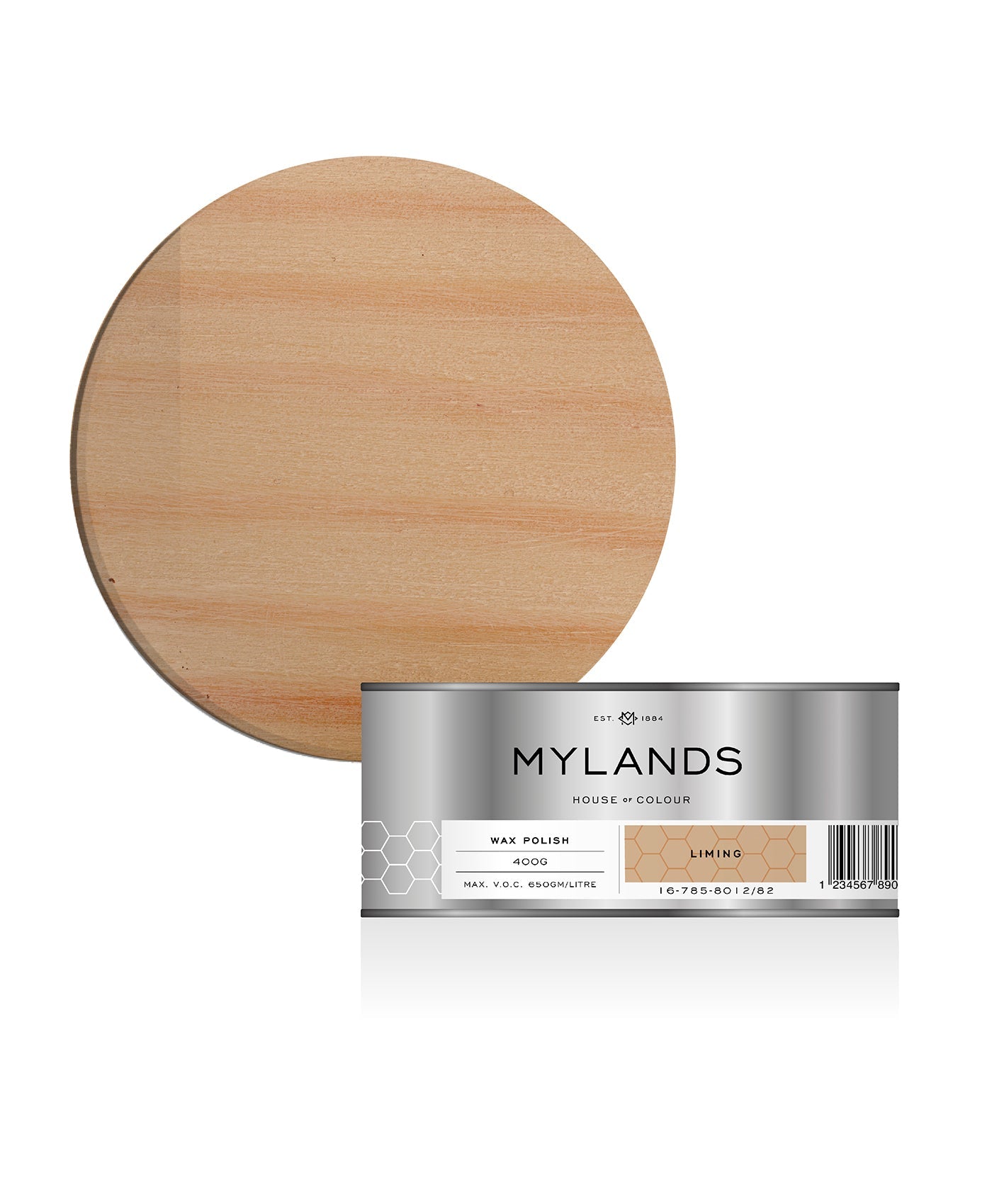
    • Was Liming
      Was Liming
      AanbiedingsprijsVan £30.42
    • Durax Teakolie
      Durax Teakolie
      AanbiedingsprijsVan £13.51

    Questions

    Types of wood: your questions

    Why does the same stain look different on different woods?

    Each wood has its own density, grain and base colour, so it absorbs stain differently. Pine usually goes darker than oak.

    How do I stop pine going blotchy?

    Sand evenly, and sanding finer helps even it out. Always test first on your own timber and wipe off excess stain quickly. Two coats of a lighter colour give more control than one strong one.

    How do I stop oak going orange?

    Choose a cooler stain such as Earth Stain Chalk, Silt or Washed Umber, and use a water-based finish such as MyLac. See our wood stain guide.

    What is the best finish for walnut?

    French Polish or a good oil, such as Danish Oil, to bring out its depth.

    Can I stain maple?

    You can, but its tight grain makes even colour hard to achieve. Test carefully first.

    Need advice?

    Ask our team

    Call us on 020 8670 9161, Monday to Friday, or visit our showroom in West Norwood. We make every tin, so we can answer almost anything.

    Premium service from start to finish

    Your orders are made, packed and shipped with care from our London factory

    fast drying formula

    Complete your project in one day with our fast drying paints

    more pigment than any other paint

    Our Marble Matt Emulsion gives you unbeatable coverage and a flawless finish

    low climate impact

    Natural ingredients, manufactured sustainably, safe for your home and your family