Zum Inhalt springen

Hoflieferant des britischen Königshauses

Von unseren Kunden mit 4,8 Sternen bewertet

preisgekrönte Farbkollektionen

Ihre Paletten

Palettenseite
Palettenseite

Farben speichern in

Ihre Paletten behalten

Ihre Paletten sind nur auf diesem Gerät gespeichert. Melden Sie sich an, um sie auf Smartphone und Computer zu nutzen und bei einer Farbberatung mit unseren Farbexperten zu teilen.

Anmelden Konto erstellen

Proben bestellen

Farbmuster · Demnächst

Eine mit echter Farbe gestrichene Karte – die ersten drei gratis.

Benachrichtigen

    Ihr Warenkorb

    Dein Warenkorb ist leer.

    Farben entdecken Proben bestellen

    Bestseller

    Finish oder Größe ändern

    Wood care

    French polishing guide

    A beginner’s guide from the people who make the polish

    The basics

    What is French polish?

    French polish is shellac, a natural resin, dissolved in ethanol, an alcohol made by grain fermentation. Shellac comes from the lac insect, which lives on trees in India and Thailand. The resin is collected, refined and sold as flakes, then dissolved to make a polish.

    The term means two things: the polish in the tin, and the hand method of applying it. When the alcohol evaporates, a thin, hard layer of shellac is left behind. Build enough of those layers and the wood seems to glow from within.

    Is French polishing right for my project?

    French polish is perfect for:

    • antique and period furniture, especially restoration;
    • fine new furniture where you want depth, clarity and warmth;
    • decorative panels, boxes, picture frames and small turned pieces;
    • repairing an existing shellac finish (new polish blends into old).

    It is not the right choice for floors, stair treads, kitchen worktops, bar tops or anything that will regularly meet water, alcohol or hot dishes. For those, ask us about our lacquers, varnishes and Hard Wax Oils.

    Before you start

    What will I need?

    • Your Mylands polish (see Which polish?)
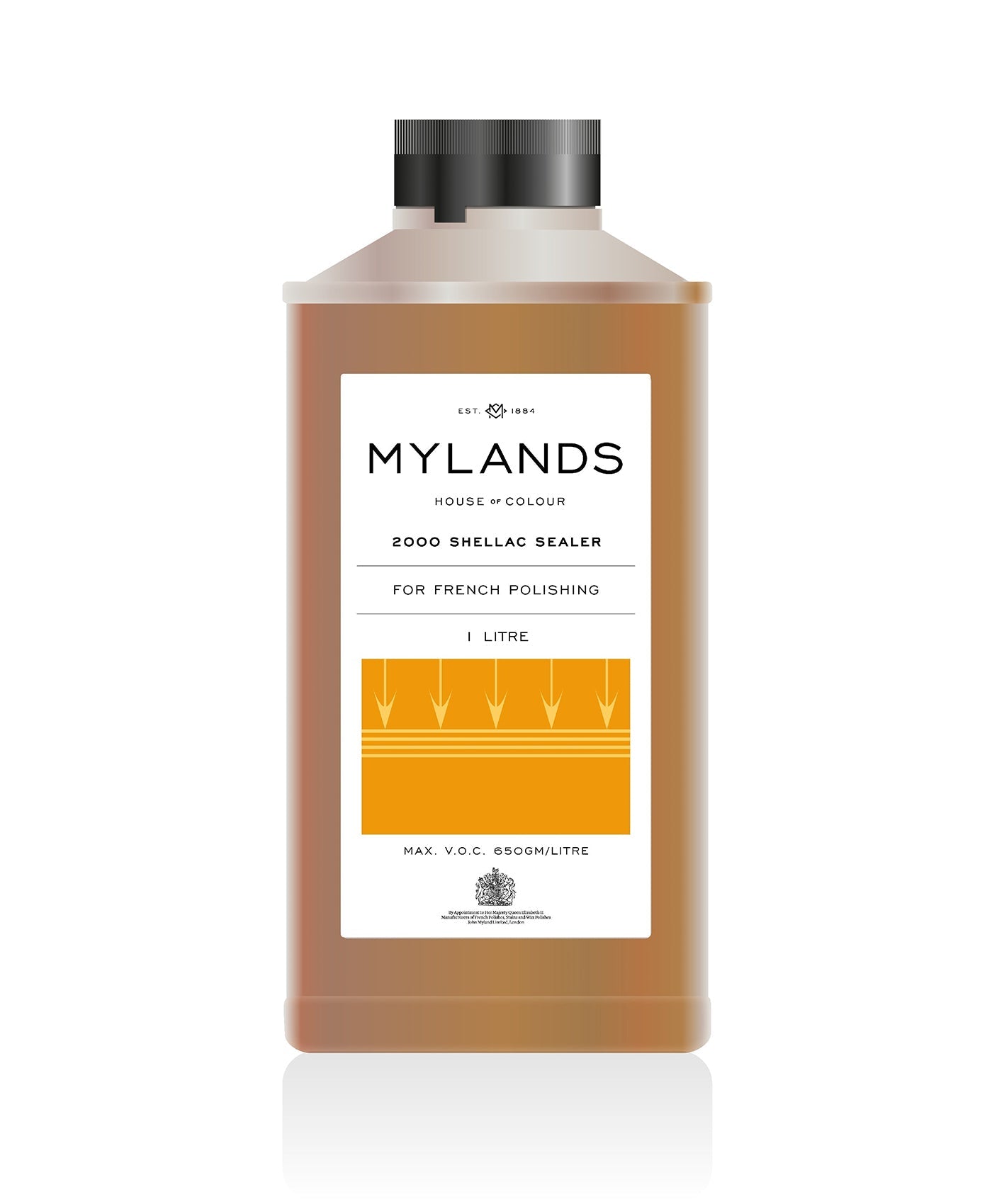
    • 2000 Pale Shellac Sealer Basecoat for pale woods, or a first thinned coat of your polish to seal
    • Abrasive paper, 120 and 240 grit (240 also for denibbing), and a sanding block
    • A lint-free cotton cloth and some cotton wadding to make your rubber
    • Methylated spirits for cleaning and for the final spiriting-off stage
    • A tiny amount of lubricating oil, such as Mylands Food Safe Oil
    • A screw-top jar to keep your rubber soft between sessions
    • Good light, ventilation and no naked flames: French polish is flammable

    Next

    Choosing a polish

    Choosing a polish

    Which polish should I choose?

    The colour of the shellac changes the colour of the wood, and each coat adds a little more. Always test first on your own timber.

    PolishColour it givesBest onTable tops?
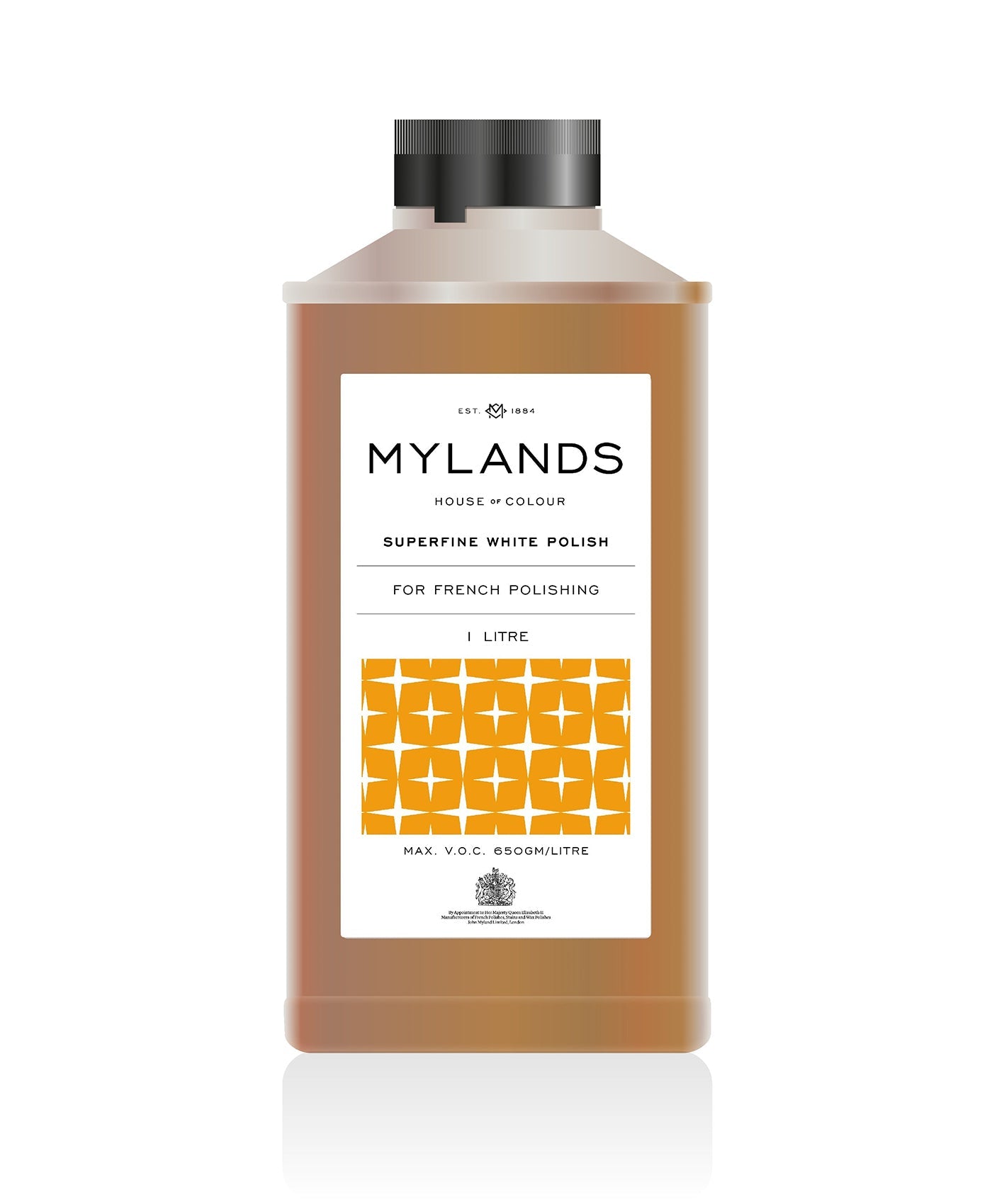
    Superfine White PolishDries clear, adds almost no colourLight oak, beech, maple, ash, sycamoreNo, it is softer
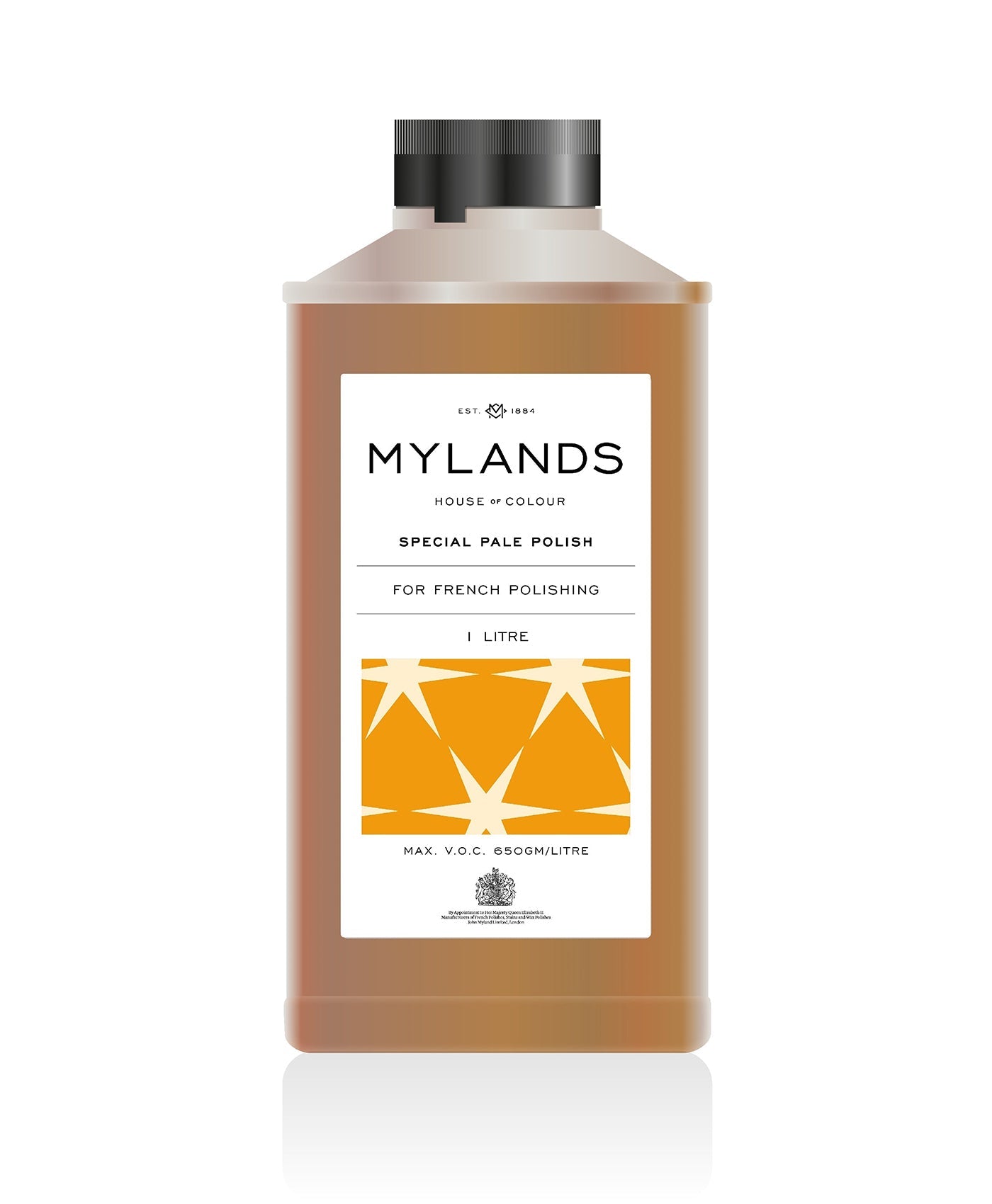
    Special Pale PolishPale, classicA good all-round polish. Light timbers, antique table topsYes
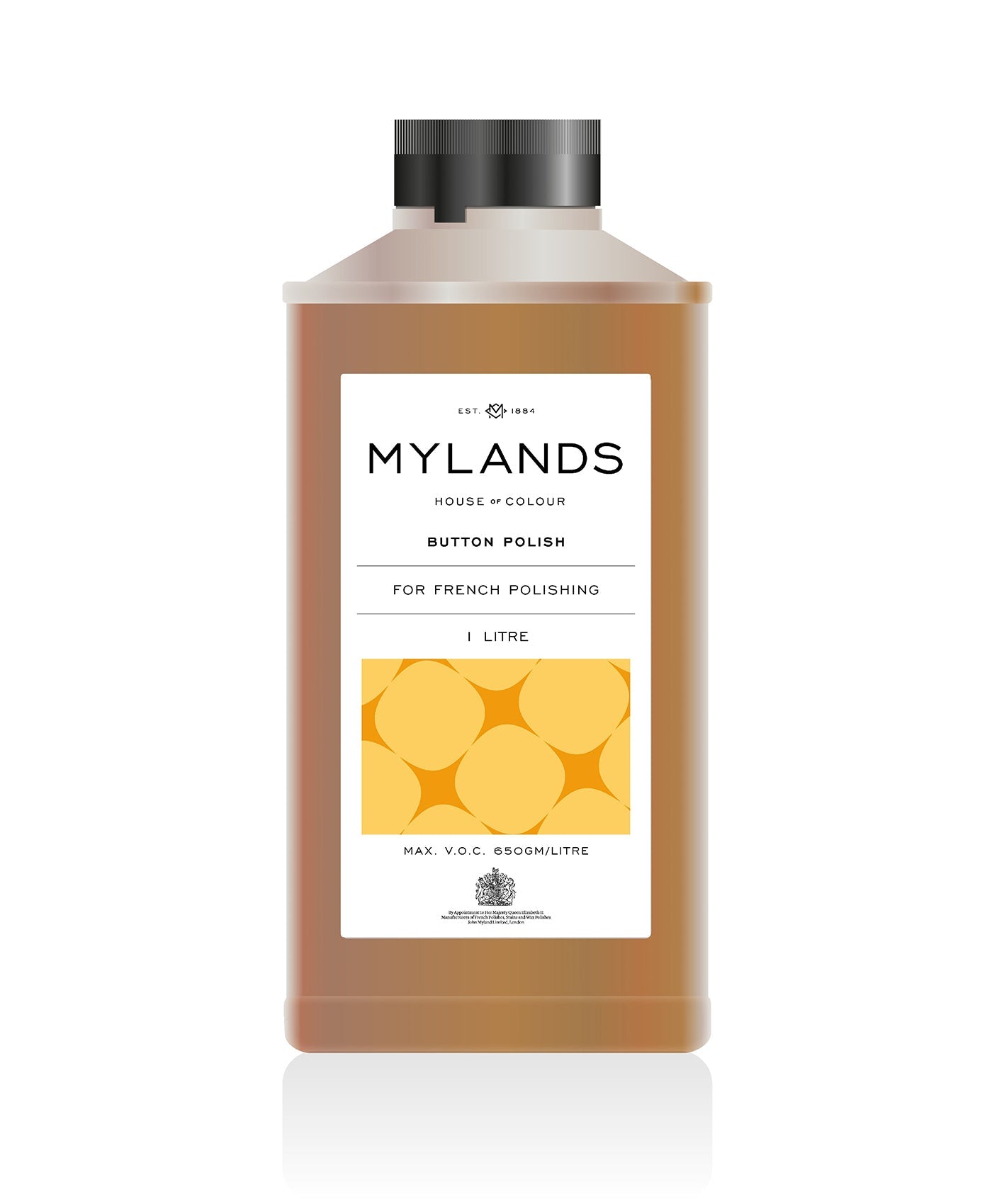
    Button PolishWarm golden amberOak, walnut, mahoganyYes
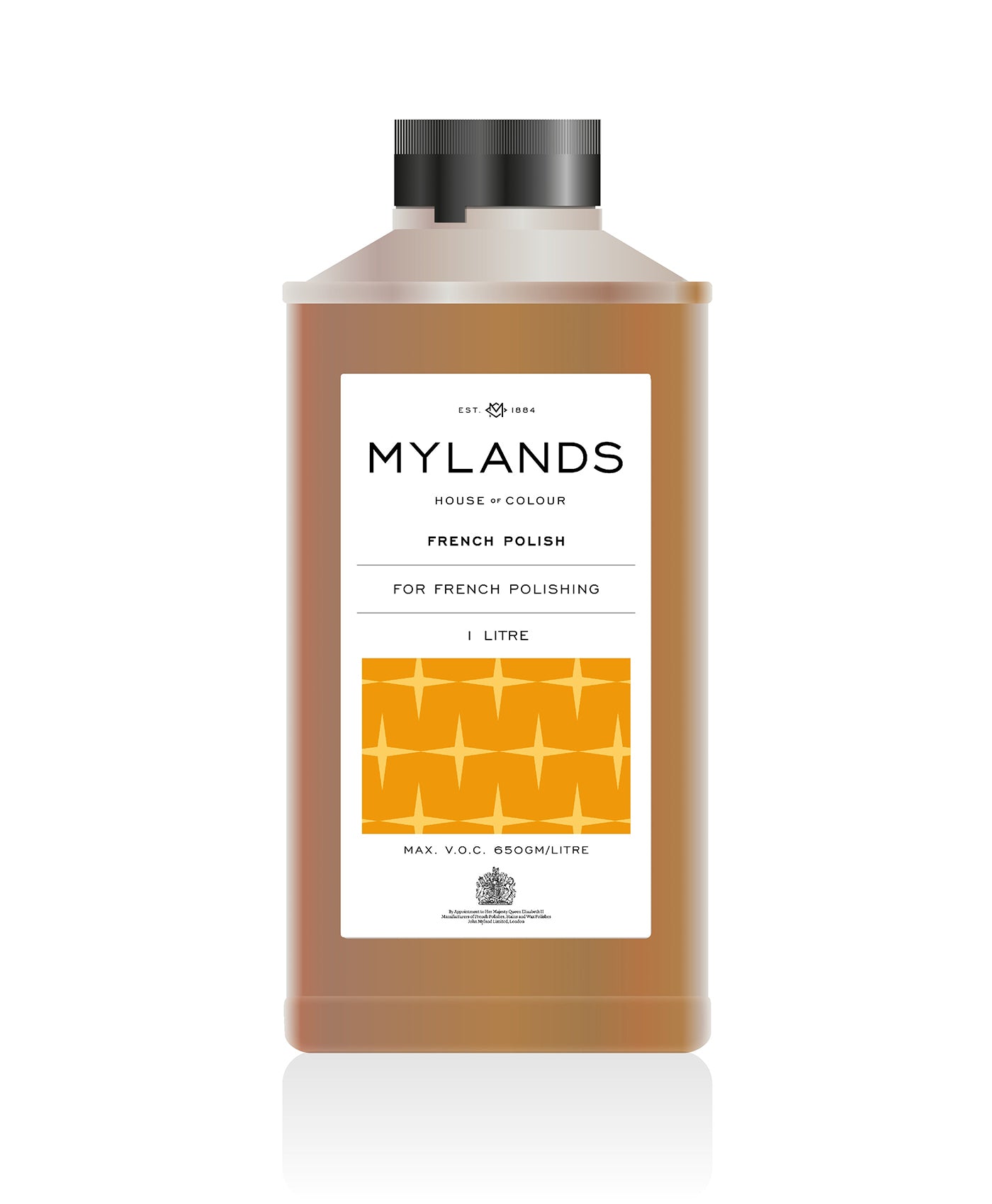
    French PolishRich medium brownWalnut, oak, mahoganyYes
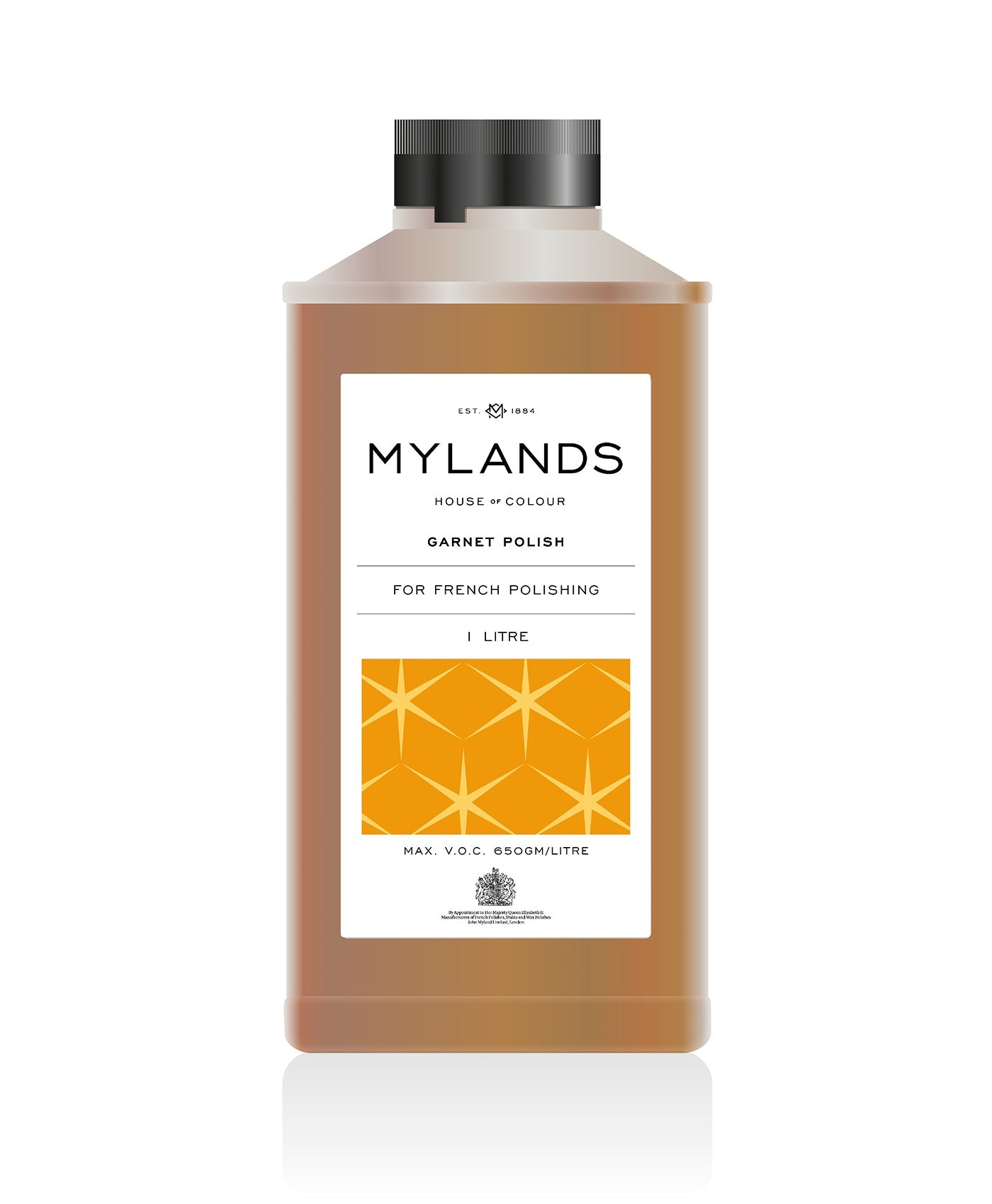
    Garnet PolishDarkest, cool brownDark and antique timbersYes
    Red PolishStrong translucent redA good colour in its own right. Mahogany, tinting other polishesYes
    Black PolishOpaque piano blackFinishing pianos, ebonised work, mixing into other polishesYes
    High Build Friction PolishClear high glossWork turning on a latheNot for hand polishing

    Next

    How to French polish

    Step by step

    How do I French polish?

    1. Prepare

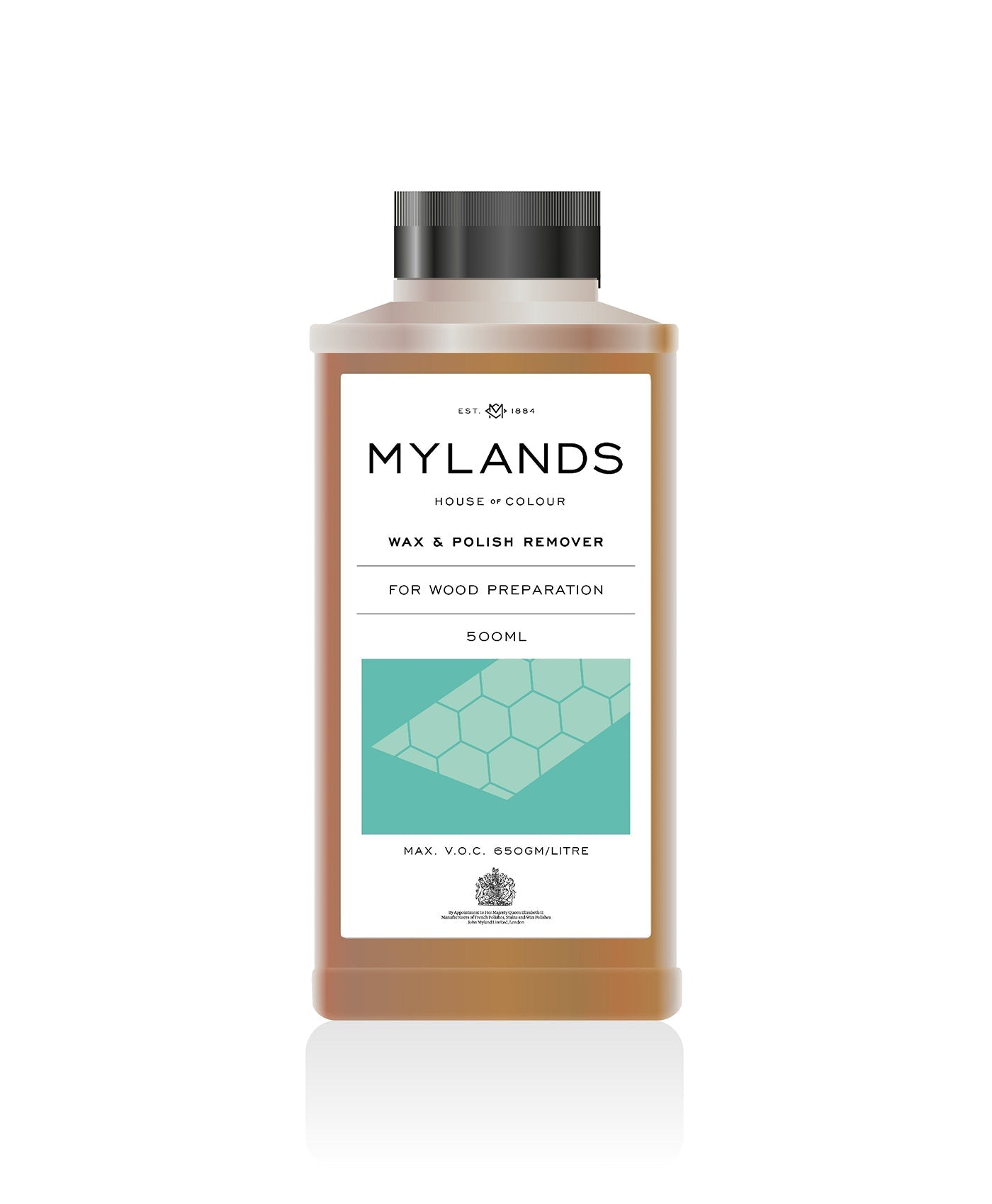
      Clean off old wax, grease and dirt with Wax and Polish Remover. Sand with the grain, starting at 120 and finishing at 240 grit, and remove every speck of dust. French polish shows up every scratch it covers.

    2. Stain if you want to

      Use our Water Stains or Nitrostains, not Light Fast or Earth Stains, as the polish would pick up the stain. Water Stains raise the grain, so denib once dry; Nitrostains give minimal grain raising. Let it dry fully.

    3. Seal

      Brush or rub on a coat of sealer or thinned polish. Leave 30 minutes, then lightly rub down with 240 grit paper (denibbing).

    4. Make your rubber

      Wrap a ball of cotton wadding in a square of lint-free cotton, twisting the cloth so the face is smooth, firm and free of creases. It should fit snugly in your palm.

    5. Charge it

      Open the rubber and pour polish into the wadding, not onto the face. Close it and press it on clean paper. The face should feel moist, never wet.

    6. Body up

      Glide the rubber in small overlapping circles and figures of eight, then long straight strokes with the grain. Keep it moving, lift off at the edges and build many thin layers. If it starts to drag, add a single drop of oil to its face.

    7. Rest

      Polish touches dry in about 15 minutes at 20°C, but between bodying sessions it needs longer to harden. Leave it several hours or overnight.

    8. Spirit off

      For the final glass-like finish, use a fresh rubber barely damped with methylated spirits and very little polish. Light, quick strokes with the grain remove the oil and any smears; stop the moment it drags. A gentle pass of Burnishing Cream brings up the final shine.

    9. Leave it to harden

      Use it with care after 24 hours. It takes 5 to 7 days to cure fully, then enjoy it.

    Next

    Mistakes and care

    Getting it right

    What are the most common beginner mistakes?

    • Too much polish on the rubber: it leaves ridges and wet tracks. Moist, not wet.
    • Stopping on the surface: a rubber that pauses leaves a mark. Glide on and glide off.
    • Rushing: working over soft polish makes it pull and wrinkle. Walk away and come back.
    • Too much oil: a drop is enough. Extra oil clouds the finish and is hard to remove.
    • Skipping the test piece: shellac colours deepen with every coat. Always test first on your own timber.

    How do I look after a French polished finish?

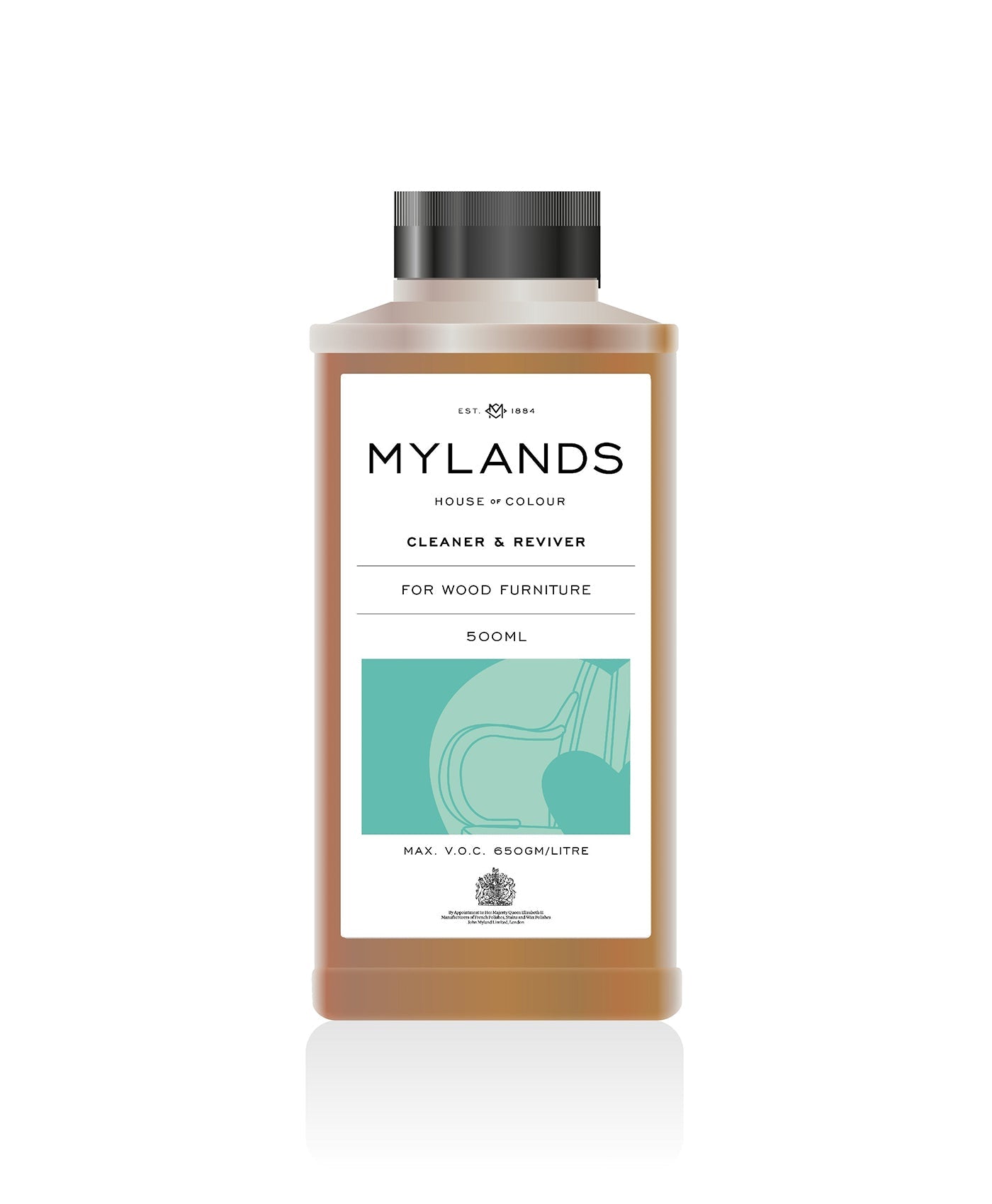
    Dust with a soft, dry cloth. Use coasters, mats and trivets, and wipe spills straight away. Avoid silicone furniture sprays and household cleaners. When the surface looks tired, Furniture Cleaner and Reviver will lift grime and many light marks without harming the polish.

    From the Mylands Experts

    Made in London since 1884

    Our founder, John Charles Francis Myland, learned French polishing as a boy, working as a tea boy at Gillows, the great furniture makers. As a young man he made his own polish in a disused stable in Vauxhall: mixing on Mondays and Tuesdays, selling on Wednesdays and Thursdays, delivering on Fridays. In 1884 he set up in Salamanca Street, Stockwell, and right up to the 1930s French polish and beeswax were the finish on almost every piece of British furniture.

    More than 140 years on, we still make shellac polishes for craftspeople, restorers and furniture lovers in our own London factory. Martin, our wood finishing specialist, sums up the secret just as the old polishers did: build thin coats, keep the rubber moving, and give every layer time to harden.

    Shop

    French polishing
    View all shellac and polish
    • Französische Politur
      Französische Politur
      Angebotab £11.89
    • Button-Politur
      Button-Politur
      Angebotab £11.89
    • Spezielle helle Politur
      Spezielle helle Politur
      Angebotab £11.89
    • Superfeiner weißer Nagellack
    • Granatpolitur
      Granatpolitur
      Angebotab £31.39
    • 2000 Pale Shellac Sealer Basecoat
    • Wachs- und Politurentferner
      Wachs- und Politurentferner
      Angebotab £8.02
    • Möbelreiniger und -auffrischer

    Questions

    Beginner FAQs

    Is French polishing hard to learn?

    It takes practice, but the basics are simple. Start on a small flat piece such as a box lid or a shelf, and you will be surprised how quickly the shine builds.

    Can I brush French polish instead of using a rubber?

    Yes. Mylands polishes can be brushed or applied with a polishing mop. Brushing is a good way to seal and build early coats. Most people finish with a rubber for the smoothest, clearest result.

    How long does French polish take to dry?

    About 15 minutes to touch dry and 30 minutes before rubbing down or recoating, at 20°C. Allow longer between bodying sessions, and 5 to 7 days to cure fully before heavy use.

    Can I French polish over varnish or lacquer?

    No. Shellac needs bare wood, a shellac sealer or an existing shellac finish. Remove modern coatings first.

    How do I know if my furniture already has a French polish finish?

    Dab a little methylated spirits on a hidden spot. If the finish softens and goes tacky within a minute, it is shellac and can be revived with French polish.

    How long does a tin of French polish keep?

    Use it within 12 months. Keep the lid tight and store it at room temperature, away from frost, heat and sunlight.

    Is French polish safe?

    Used sensibly, yes. It is flammable, so work in a ventilated room away from flames and heaters, and read the Safety Data Sheet before you start. Let used cloths dry flat outdoors before disposal.

    Need advice?

    Ask our team

    Call us on 020 8670 9161, Monday to Friday, or visit our showroom in West Norwood. We make every tin, so we can answer almost anything.

    Premium service from start to finish

    Your orders are made, packed and shipped with care from our London factory

    fast drying formula

    Complete your project in one day with our fast drying paints

    more pigment than any other paint

    Our Marble Matt Emulsion gives you unbeatable coverage and a flawless finish

    low climate impact

    Natural ingredients, manufactured sustainably, safe for your home and your family