Zum Inhalt springen

Hoflieferant des britischen Königshauses

Von unseren Kunden mit 4,8 Sternen bewertet

preisgekrönte Farbkollektionen

Ihre Paletten

Palettenseite
Palettenseite

Farben speichern in

Ihre Paletten behalten

Ihre Paletten sind nur auf diesem Gerät gespeichert. Melden Sie sich an, um sie auf Smartphone und Computer zu nutzen und bei einer Farbberatung mit unseren Farbexperten zu teilen.

Anmelden Konto erstellen

Proben bestellen

Farbmuster · Demnächst

Eine mit echter Farbe gestrichene Karte – die ersten drei gratis.

Benachrichtigen

    Ihr Warenkorb

    Dein Warenkorb ist leer.

    Farben entdecken Proben bestellen

    Bestseller

    Finish oder Größe ändern

    Wood care

    Wood oil guide

    How to choose, apply and care for a wood oil

    Choosing an oil

    Which oil should I use?

    Your projectOur oilWhy
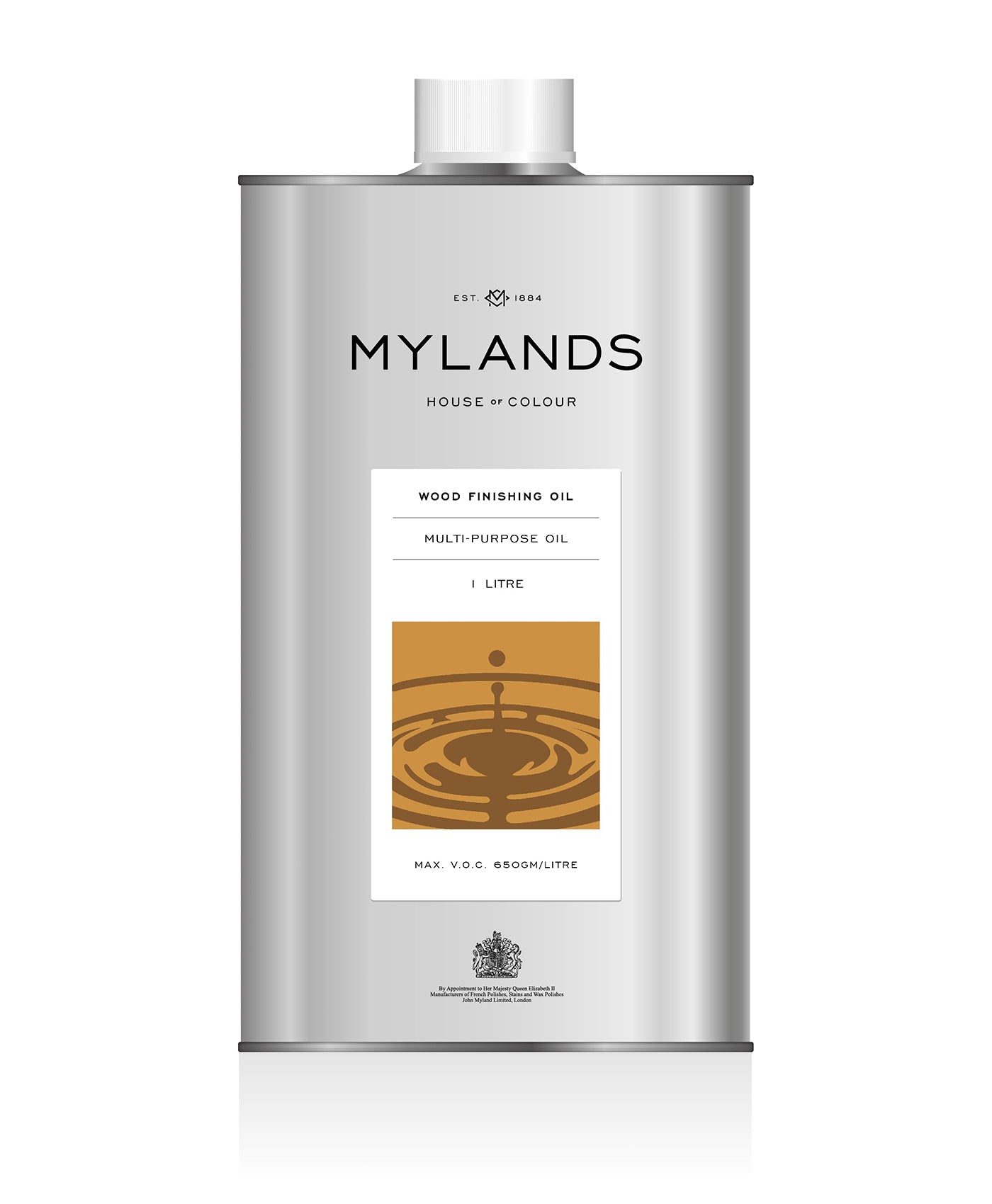
    Kitchen worktops, tables and busy furnitureWood Finishing OilHard-wearing tung oil blend for all interior wood
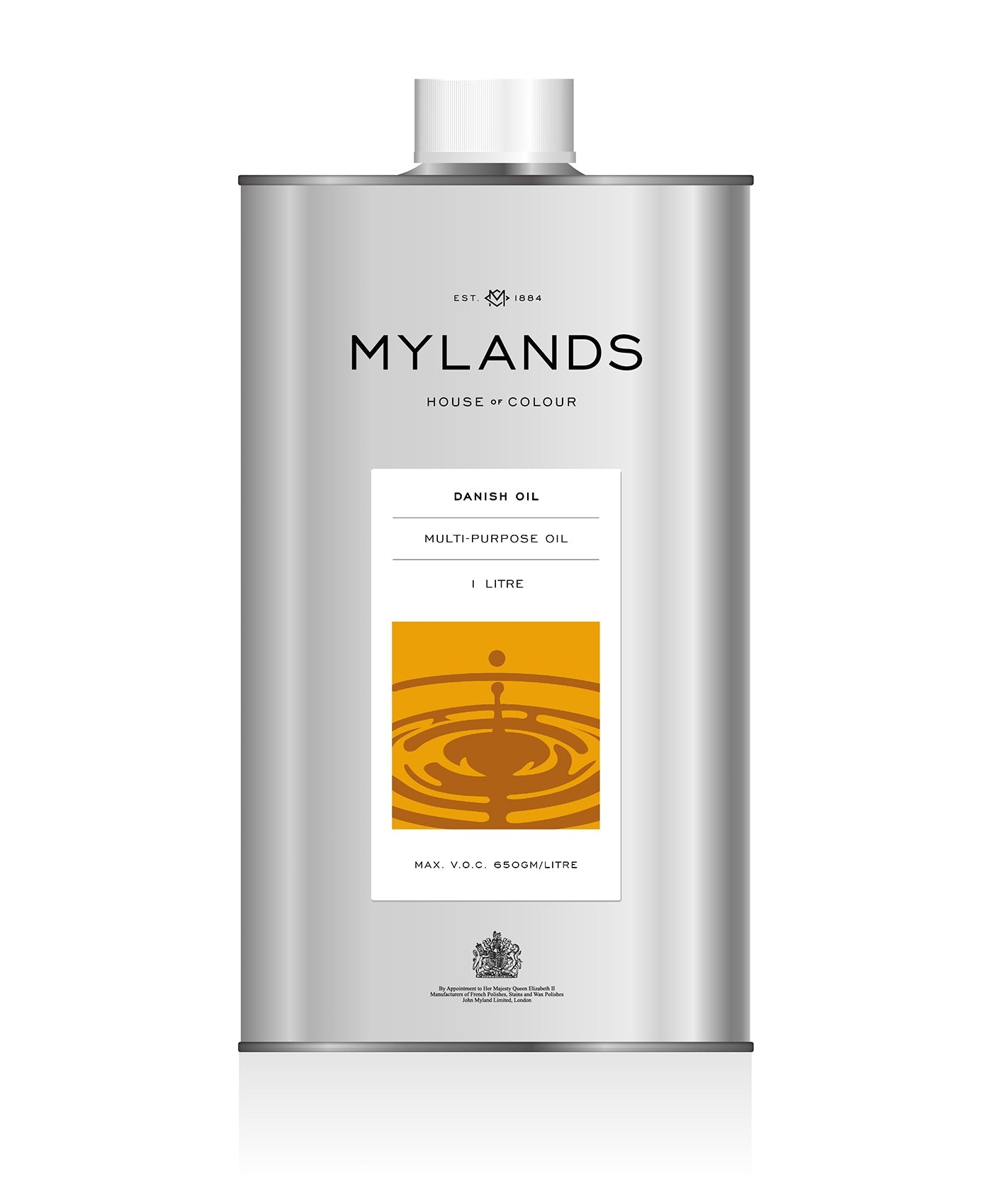
    Quick results indoors and out, including garden furnitureDanish OilFast drying, water resistant, and buildable from satin up to a gloss
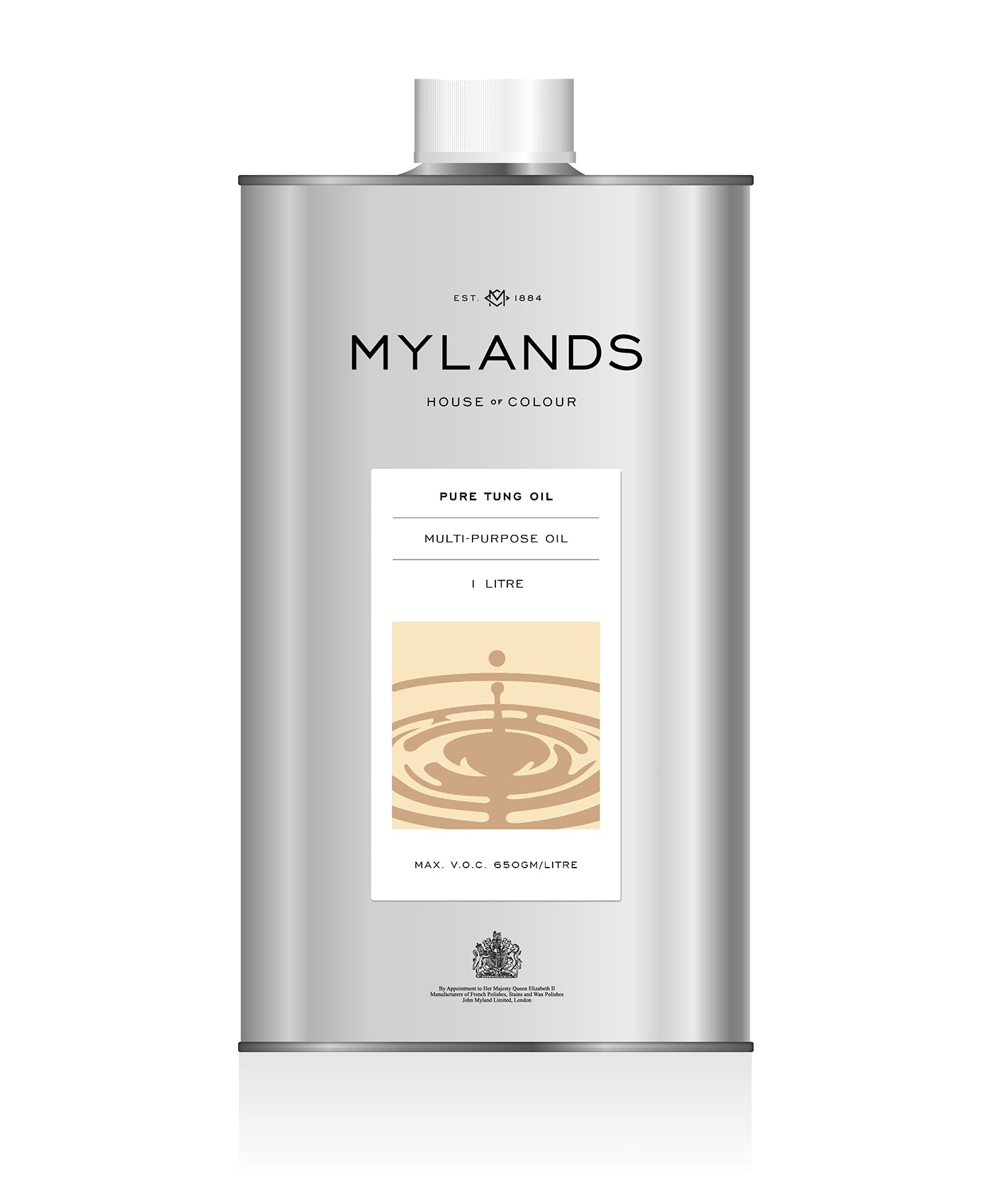
    A pure, natural oil for worktops and bare woodPure Tung OilSlow to build but tough and natural
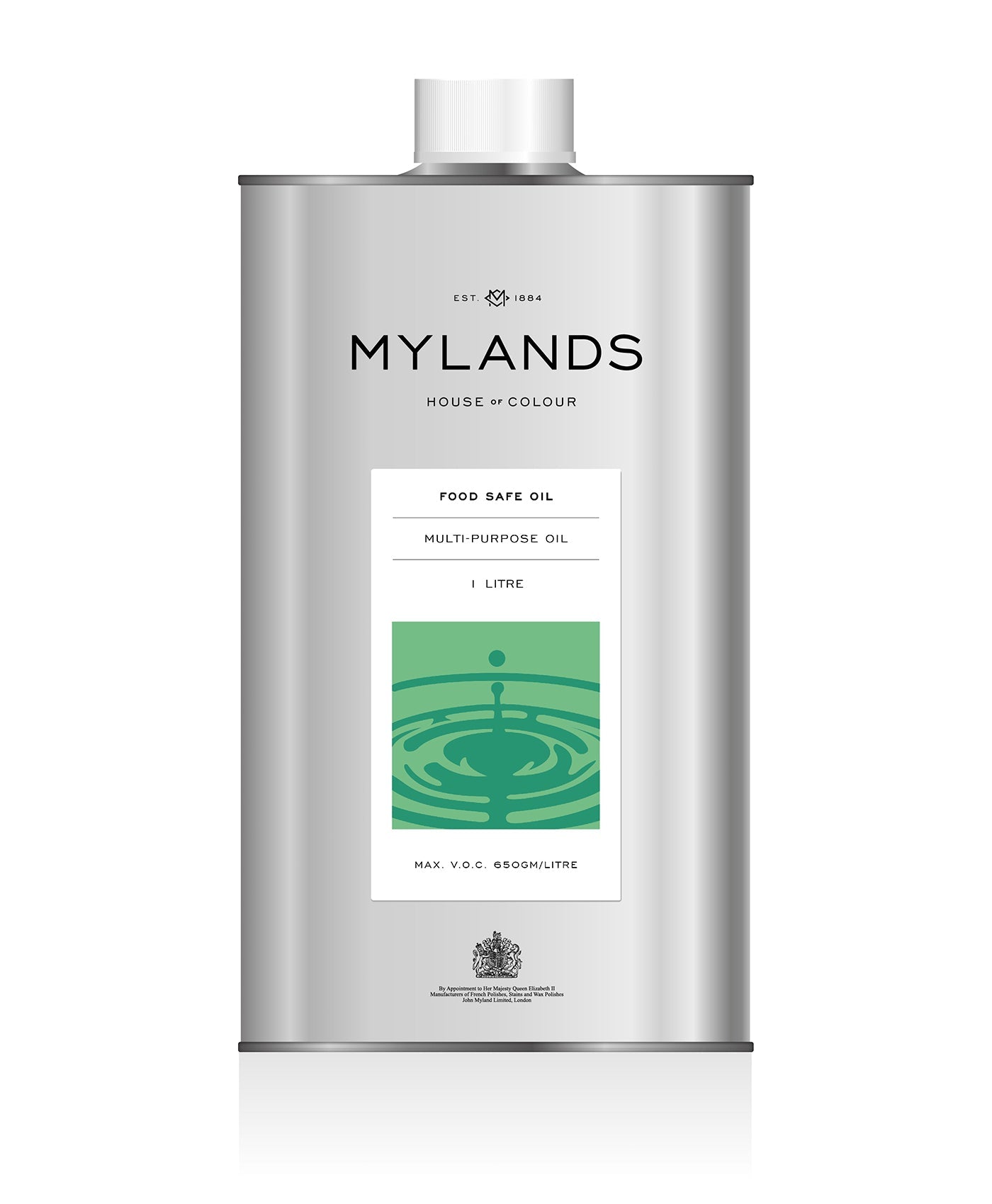
    Chopping boards, butcher’s blocks and bowlsFood Safe OilTasteless, odourless and made for food contact
    Teak, iroko and hardwood garden furnitureDurax Teak OilTung and linseed blend that replaces oils lost to weather
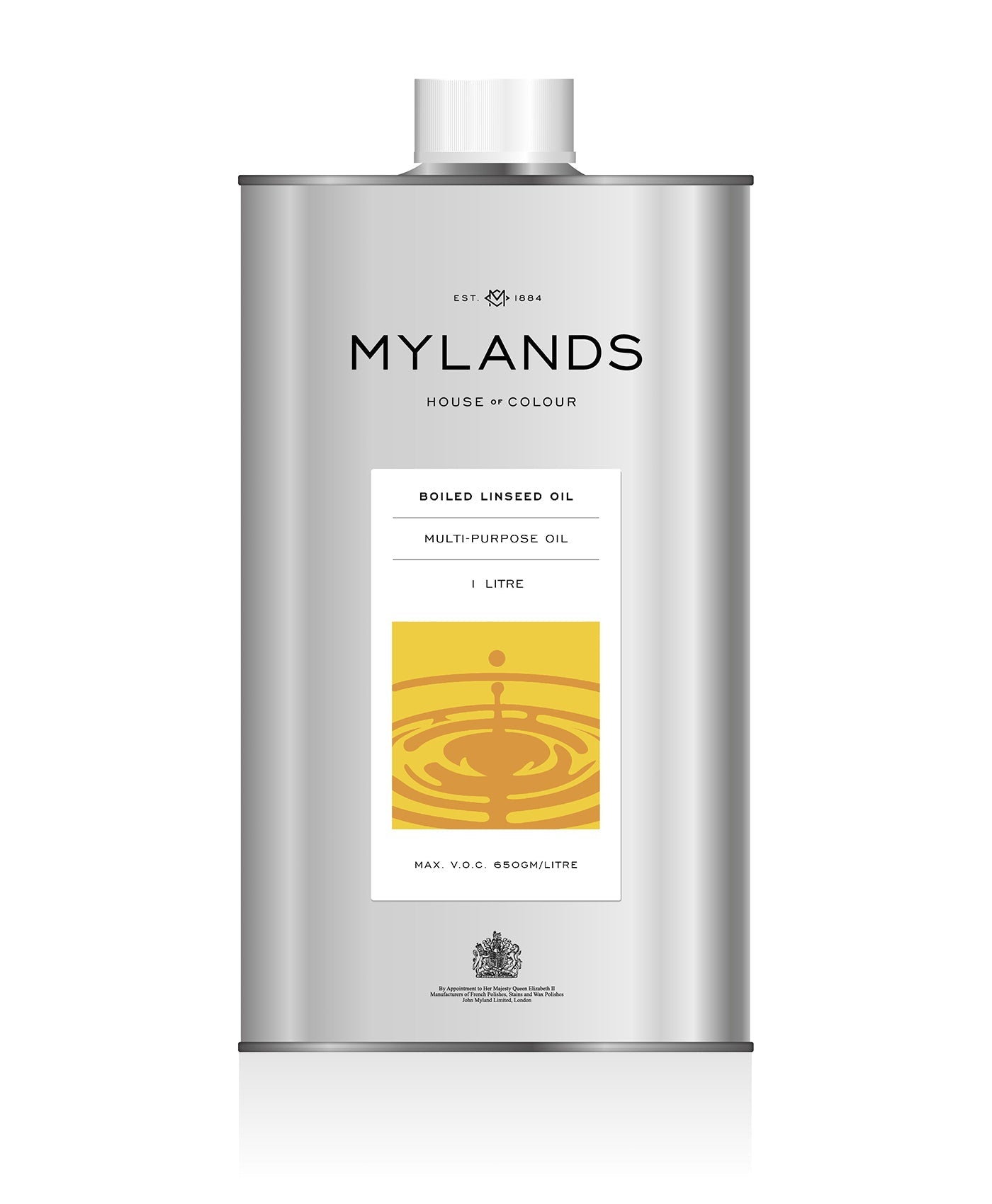
    A mellow, traditional finish; terracotta and quarry tilesBoiled Linseed OilThe classic traditional oil
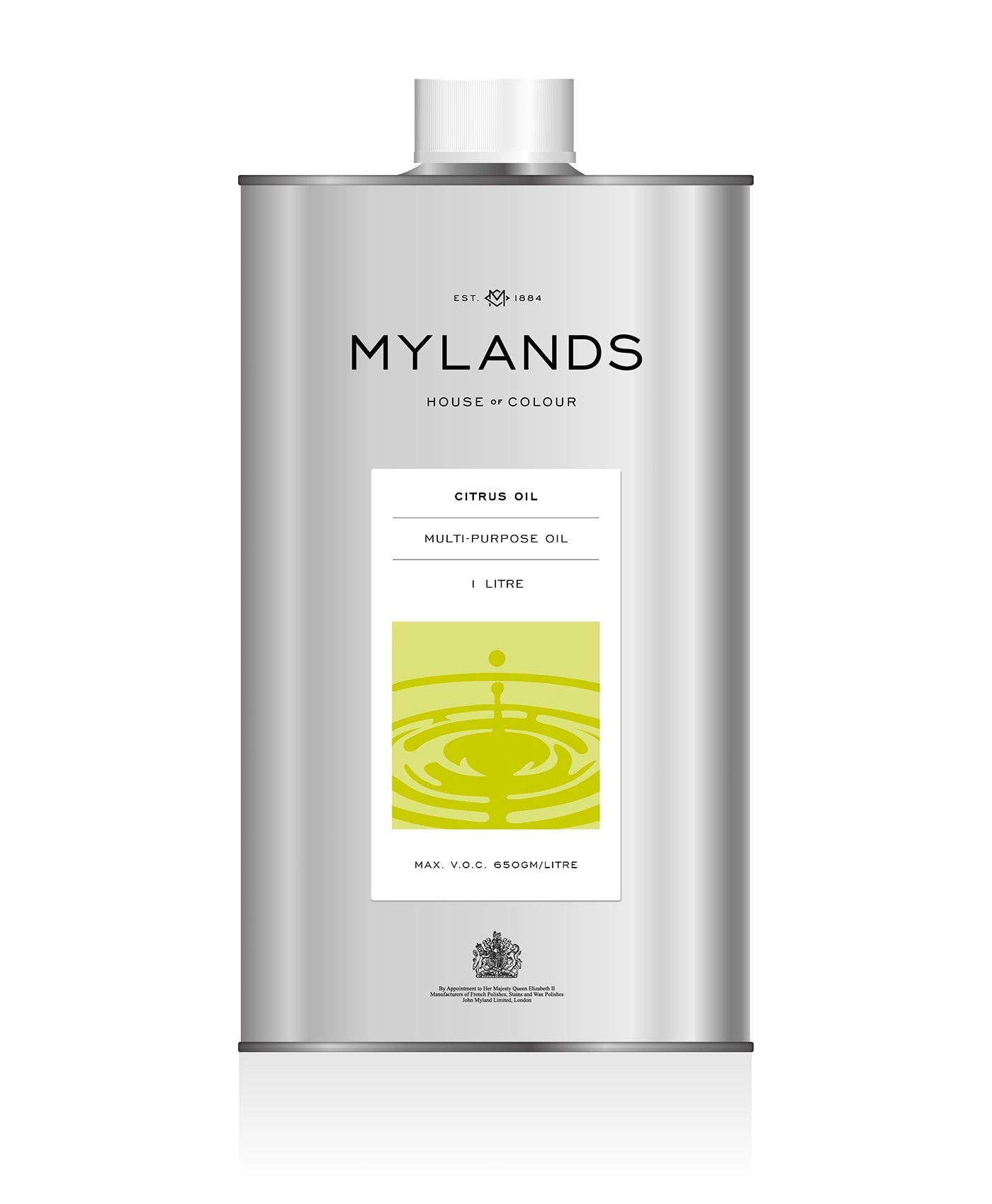
    Refreshing tired finishes; instrumentsCitrus OilLow build, low sheen, fresh scent
    Wooden floorsHard Wax OilOil and wax in one, made for floors, in seven colours

    Next

    How to apply it

    Applying

    How do I apply a wood oil?

    1. Start with bare wood

      Clean, dry and bare. Oil can’t soak through an old varnish or lacquer.

    2. Apply a thin coat

      With a lint-free cloth or brush, along the grain.

    3. Wipe off the surplus

      Leave it a few minutes to soak in, then wipe off every trace. Oil left on the surface stays sticky.

    4. Let each coat dry

      Fully, before the next. Drying depends on the oil, the wood, the temperature and the airflow.

    5. Build thin coats

      At least three for most drying oils. Food Safe Oil works differently: see its page.

    Safety

    Linseed-soaked cloths can heat up and catch fire as they dry. Lay them flat outdoors or soak them in water before disposal.

    Next

    Using and caring for oil

    Using oil

    Oil or lacquer?

    Oil sinks in, feeds the wood, hardens and leaves the wood looking and feeling like wood. It is quick to refresh and can be touched up in patches, but needs topping up more often. Lacquer forms a tougher film on the surface and needs less maintenance, but repairs are harder to blend in.

    Read the lacquer and varnish guide

    Can I change the colour before oiling?

    Yes, as an optional first step. Wood Finishing Oil can go over Earth Stains, Light Fast Stains and Water Stains, and Hard Wax Oil Natural over Earth, Light Fast and Water Stains, with Water Stains the best match. Danish Oil, Pure Tung Oil, Boiled Linseed Oil and Durax Teak Oil can go over Water, Light Fast and Earth Stains. Nitrostains don’t go under oil.

    Let the stain dry completely first, and remember that oil deepens and warms any colour, so always test first on your own timber with the oil on top before you commit.

    Oak, pine and oil

    Oils warm wood more than a clear lacquer does, so the wood type matters.

    • Oak turns from creamy to golden under oil, and can lean towards orange. If you want it paler, use a light Earth Stain such as Chalk first, or choose a coloured Hard Wax Oil on floors.
    • Pine drinks oil readily and ambers noticeably, and the soft end grain soaks up far more than the faces. Expect more coats, wipe away surplus carefully, and test the colour first.
    • Dense and oily hardwoods such as teak and iroko take oil slowly; thin coats and patience work best.

    How do I look after an oiled finish?

    Wipe with a damp cloth and dry it straight away. Top up with a thin coat whenever the surface starts to look dry or water stops beading, rather than waiting for it to look worn. A little oil often is far easier than restoring a neglected finish.

    From the Mylands Experts

    The cabinet makers’ rule

    Old cabinet makers had a rule of thumb for oiling: once a day for a month, once a week for a month, once a month for a year, and once a year thereafter. Martin shares it as a reminder of how patient care built those deep, glowing antique finishes.

    You don’t need to follow it with a modern Mylands oil, but the lesson stands: oil thinly, and come back to it before it’s thirsty.

    Shop

    Our oils
    View all oils
    • Holzfinishöl
      Holzfinishöl
      Angebotab £8.45
    • Dänisches Öl
      Dänisches Öl
      Angebotab £8.45
    • Reines Tungöl
      Reines Tungöl
      Angebotab £13.44
    • Gekochtes Leinöl
      Gekochtes Leinöl
      Angebotab £10.75
    • Durax Teaköl
      Durax Teaköl
      Angebotab £13.51
    • Lebensmittelechtes Öl
      Lebensmittelechtes Öl
      Angebotab £13.51
    • Zitrusöl
      Zitrusöl
      Angebotab £14.36
    • Hard Wax Oil NaturalHard Wax Oil Natural
      Hard Wax Oil Natural
      Angebotab £48.20

    Questions

    Wood oil FAQs

    What is the best oil for a kitchen worktop?

    Wood Finishing Oil, applied in three to four thin coats, is our general recommendation. For a pure, natural oil, choose Pure Tung Oil and allow it longer to build.

    What’s the difference between Danish Oil and Tung Oil?

    Danish Oil is a quick-drying blend of tung and other oils with resins. Pure Tung Oil is a single natural oil that takes longer to build but gives a very durable finish.

    Which oil is safe for chopping boards?

    Food Safe Oil, which is tasteless and odourless and made for food contact.

    Can I use oil outside?

    Yes. Danish Oil and Durax Teak Oil are made for exterior wood and garden furniture. Refresh outdoor wood at least once a year.

    Why is my oiled table sticky?

    Too much oil was left on the surface. Wipe it firmly with a clean cloth, or rub back lightly and wipe off thoroughly.

    Need advice?

    Ask our team

    Call us on 020 8670 9161, Monday to Friday, or visit our showroom in West Norwood. We make every tin, so we can answer almost anything.

    Premium service from start to finish

    Your orders are made, packed and shipped with care from our London factory

    fast drying formula

    Complete your project in one day with our fast drying paints

    more pigment than any other paint

    Our Marble Matt Emulsion gives you unbeatable coverage and a flawless finish

    low climate impact

    Natural ingredients, manufactured sustainably, safe for your home and your family