Wood care
Wood stain guide
Finding the right colour for your wood
Choosing a stain
Which Mylands stain should I use?
| Stain | Best for | Character | Goes under |
|---|---|---|---|
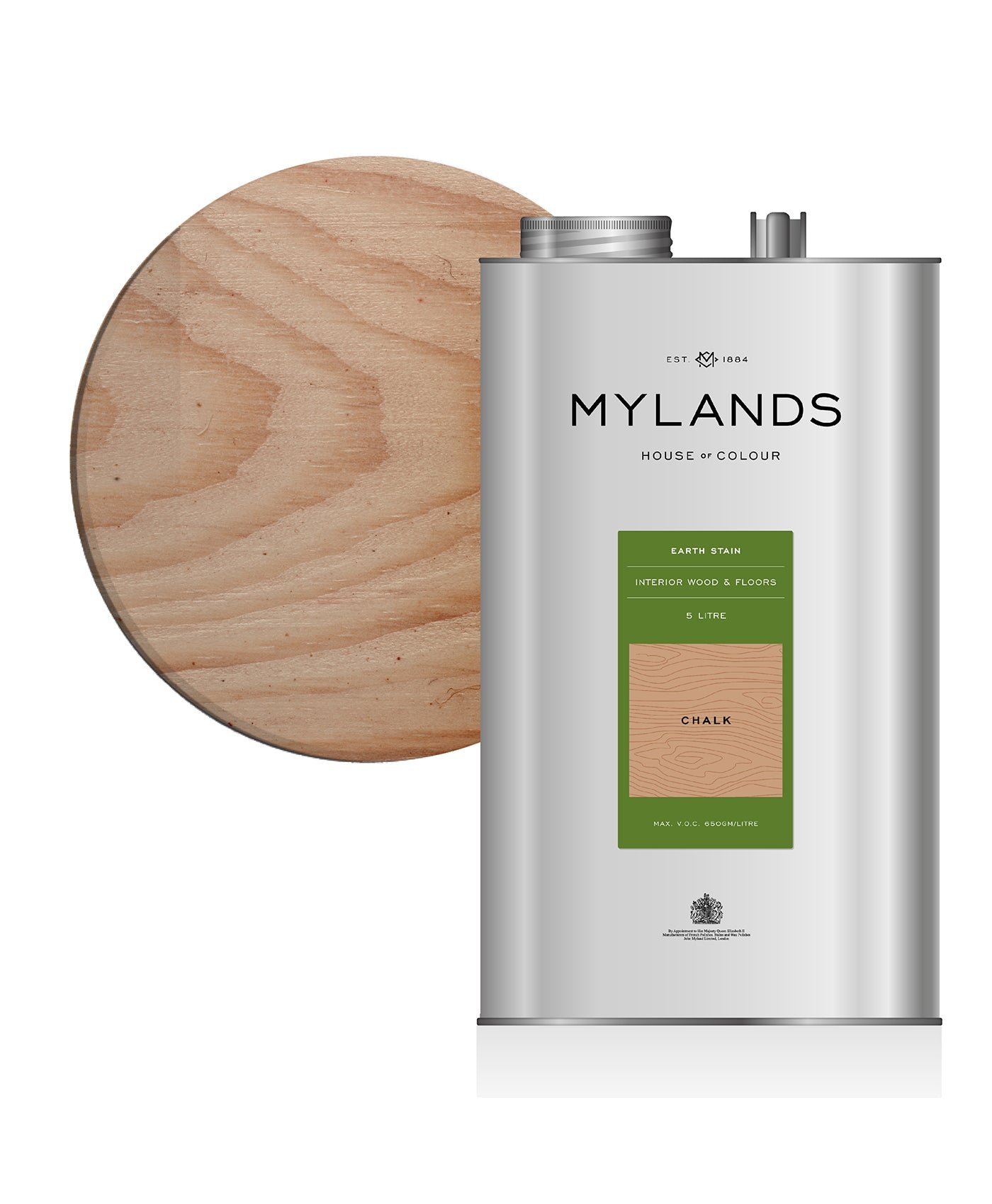
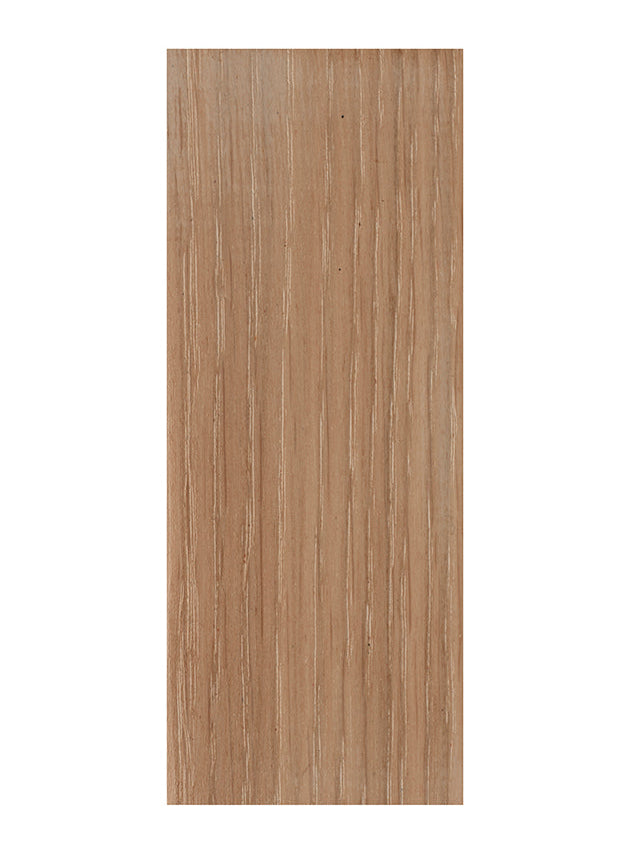
| Earth Stains | Floors and furniture | Ten natural, earthy shades from pale Chalk to deep Burnt Oak; designer favourites | MyLac, MyLac Extra, Hard Wax Oil Natural; furniture lacquers, wax, Wood Finishing Oil. Not under shellac or French polish |
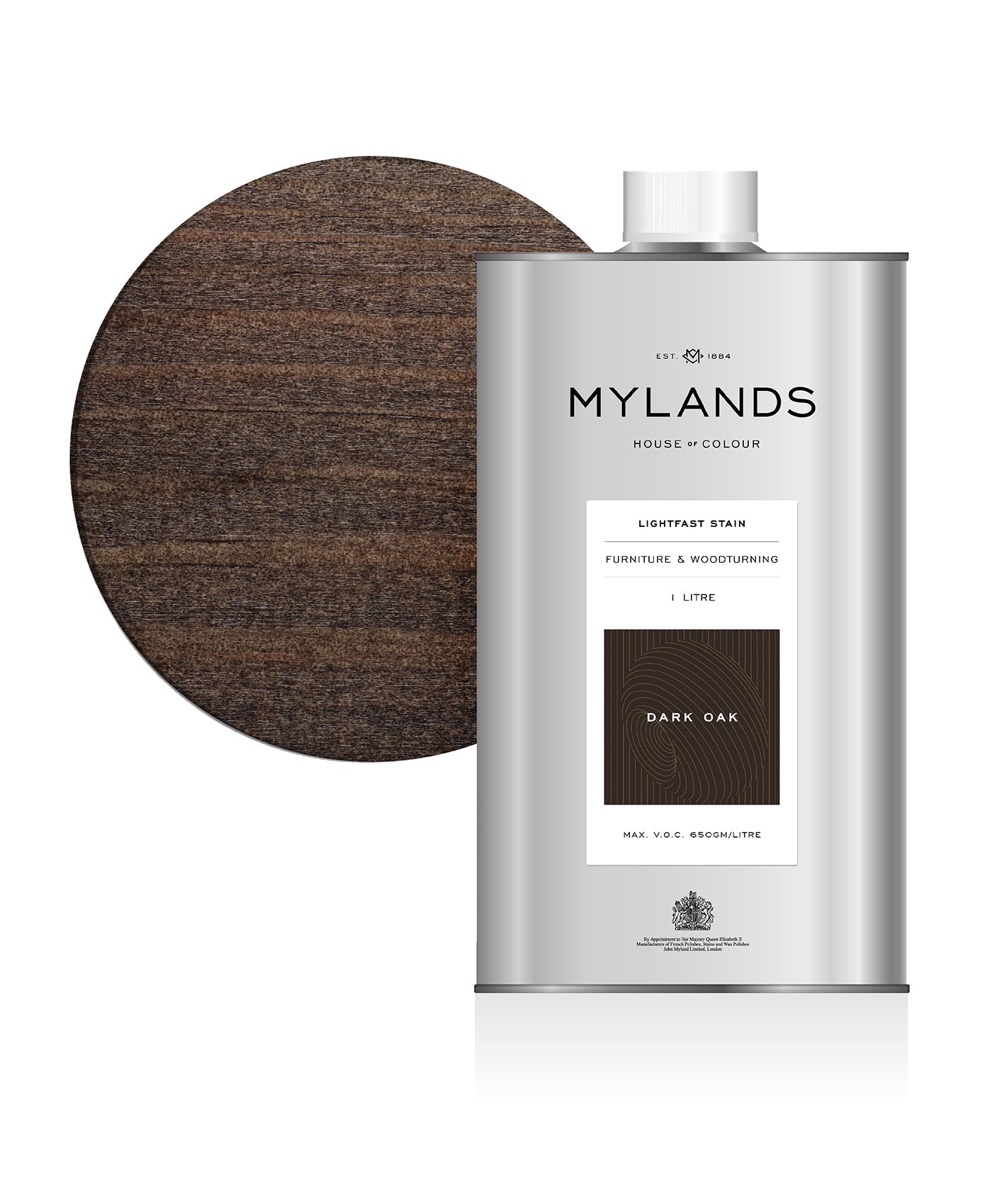
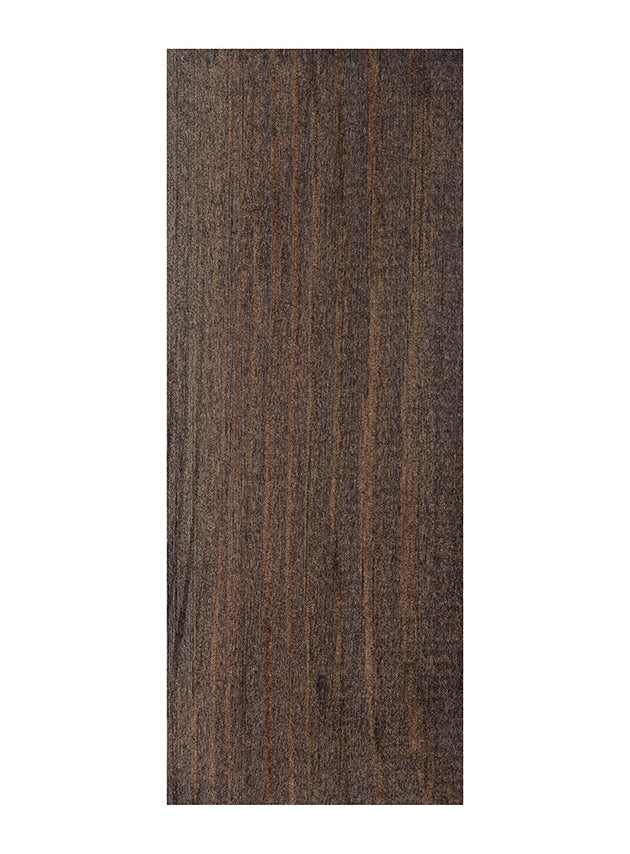
| Light Fast Stains | Floors and furniture | Sixteen fade-resistant colours, from classic oaks to vivid blue, green and red; fast drying | MyLac, MyLac Extra, Hard Wax Oil Natural; furniture lacquers, wax, Wood Finishing Oil. Not under shellac or French polish |
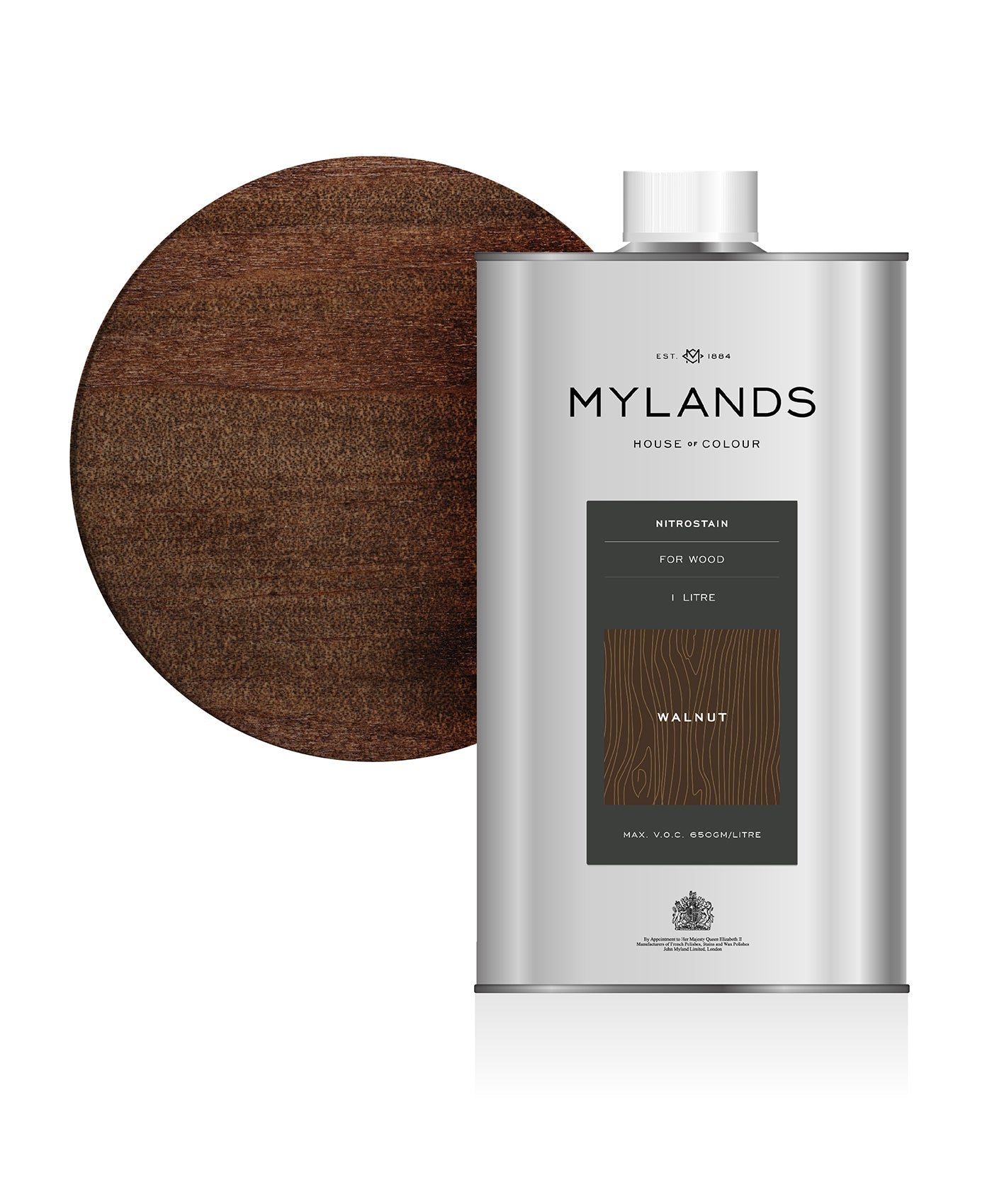
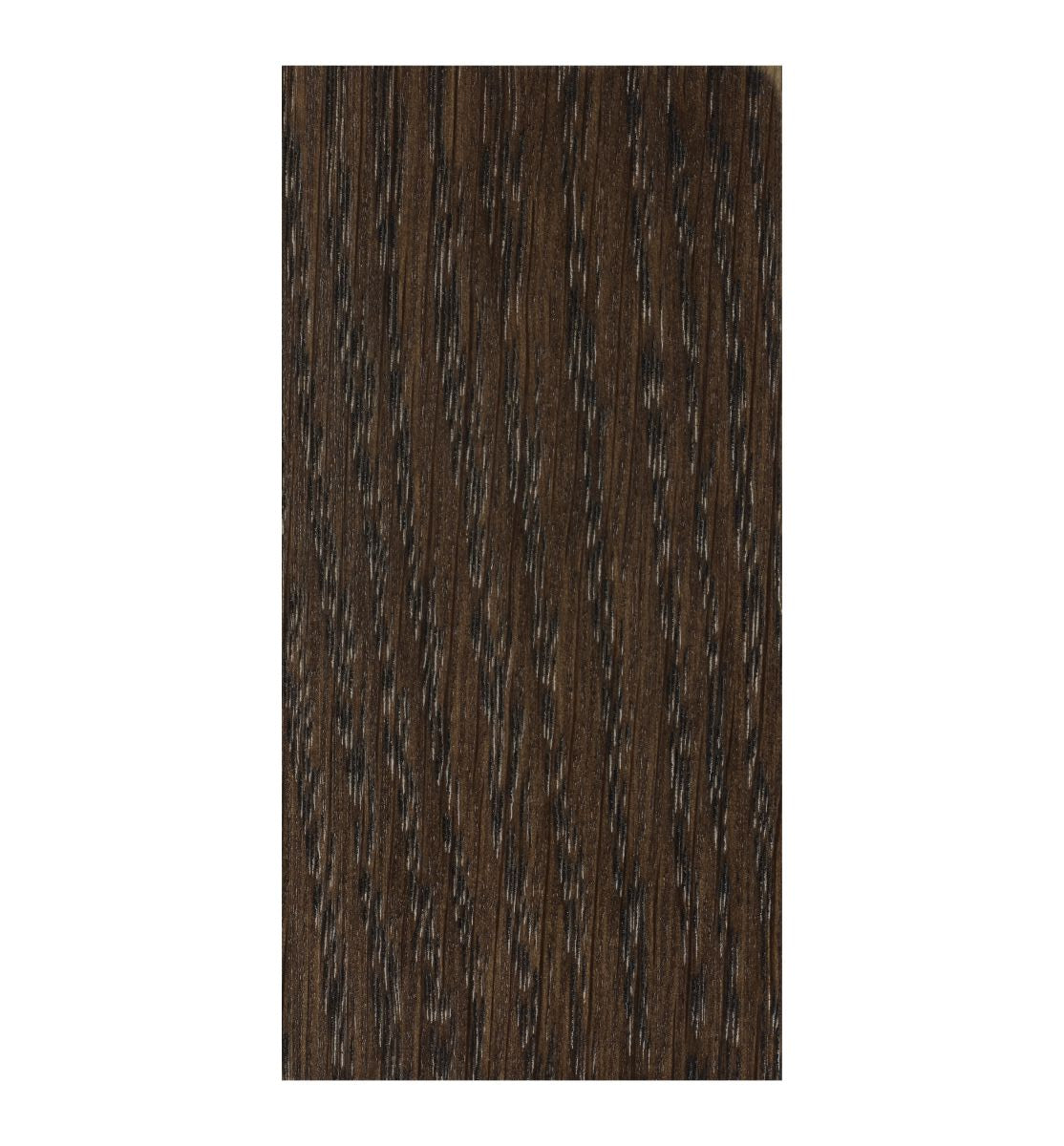
| Nitrostains | Furniture under lacquer | Ten traditional wood shades in a spirit blend with minimal grain raising; quick drying | Cellulose and pre-catalysed lacquers, French polish and shellac. Not water-based finishes, MyLac, MyLac Extra, acid-catalysed or polyurethane lacquers, oil or wax |
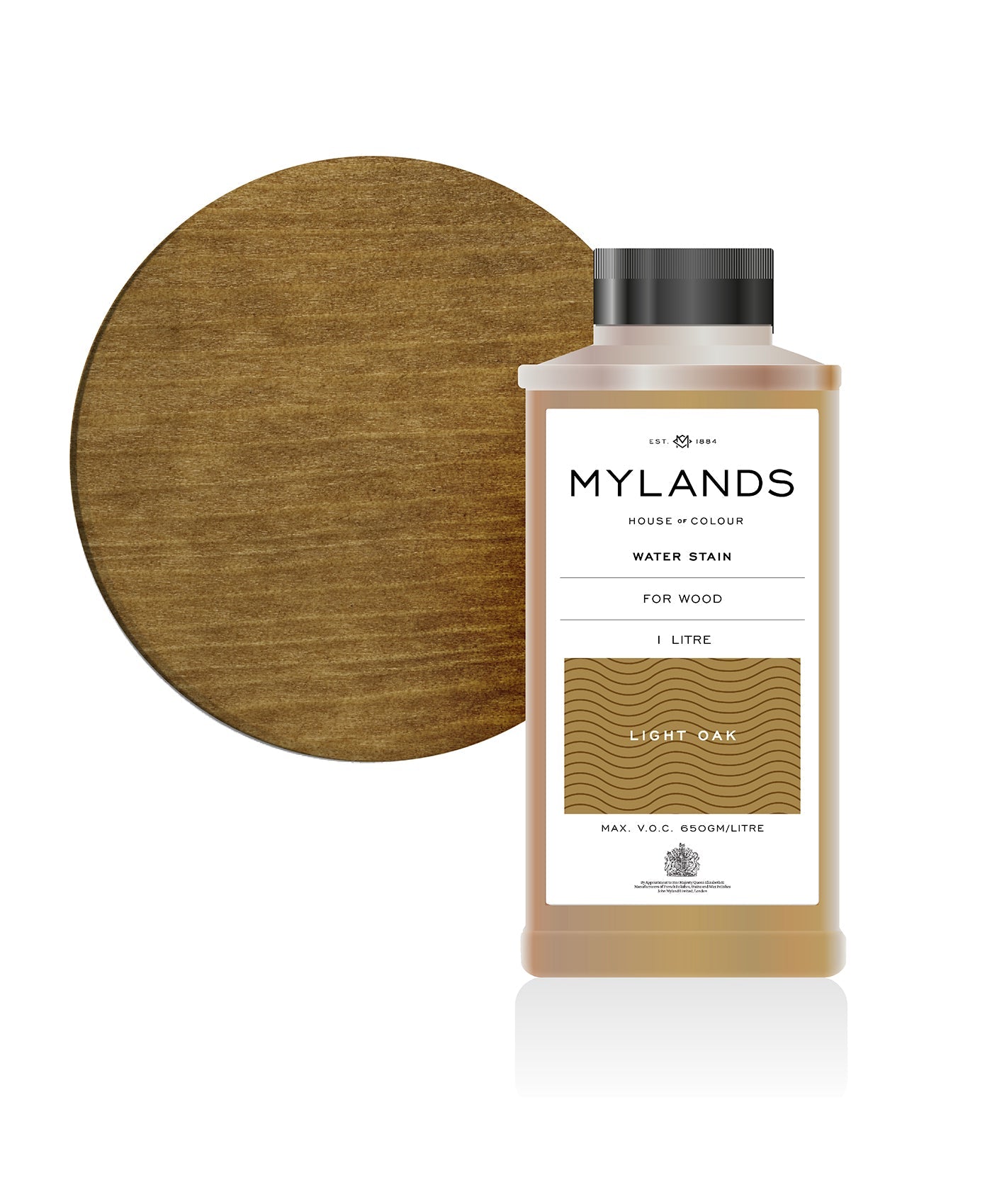
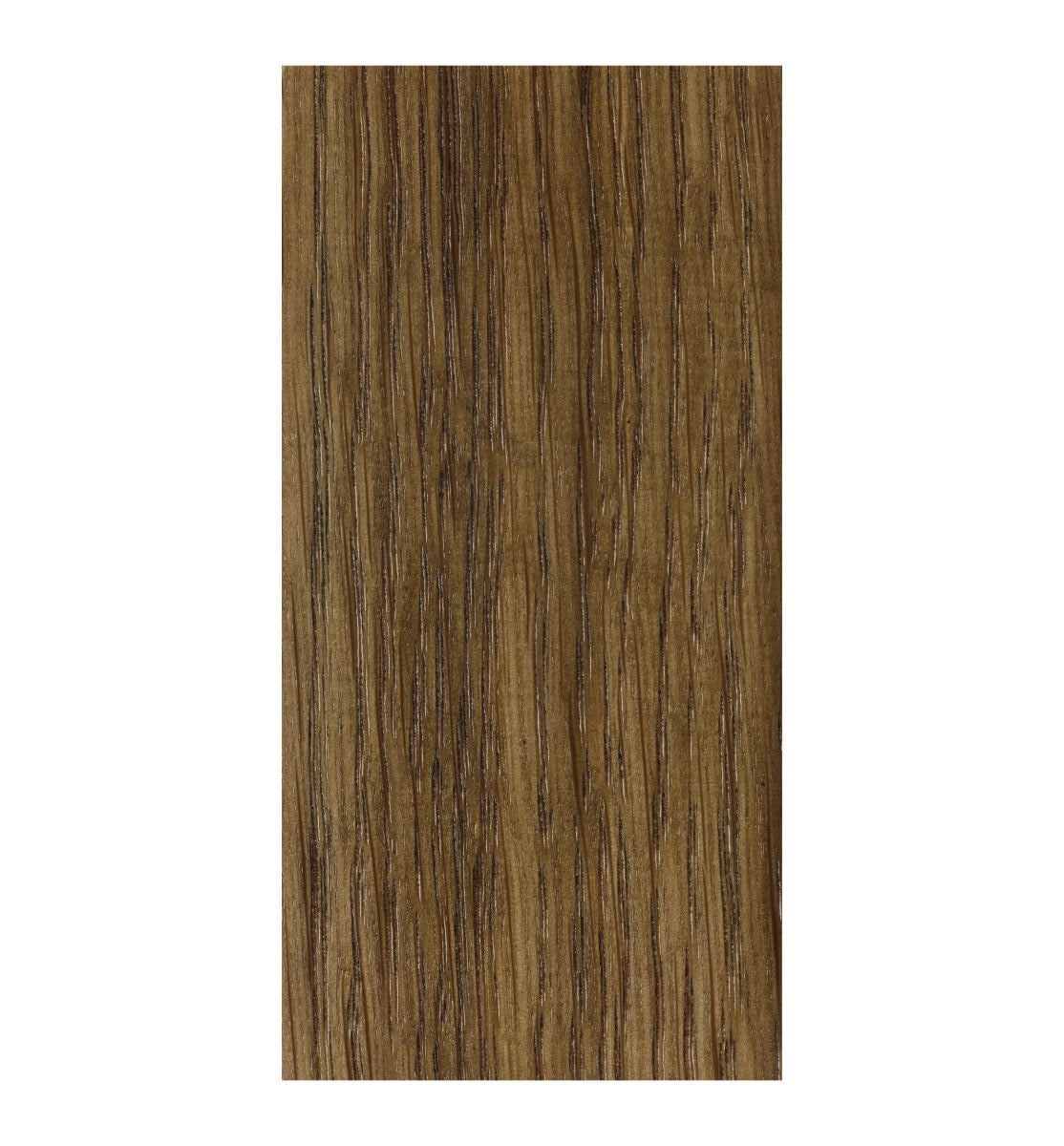
| Water Stains | New or stripped interior wood, especially softwoods | Ten clear, transparent shades | Hard Wax Oil Natural; French polish and shellac; cellulose, pre-catalysed, acid-catalysed and oil-based polyurethane lacquers; wax; Wood Finishing Oil. Water-based finishes, including MyLac and MyLac Extra, only over a coat of Shellac Barrier Seal |
Colour
Colour and tone: what you’re really choosing
Testing
How to make a test board
The most important step in staining takes ten minutes. The same stain can look a shade lighter or darker, warmer or cooler, depending on the species, the cut, the age of the timber and how it was sanded.
-
Use the same wood
An offcut, a spare floorboard or the underside of a shelf, from the same batch if you can.
-
Prepare it the same way
Sand to exactly the grit you’ll use on the job; a finer or coarser finish changes how much stain soaks in.
-
Divide and label it
Mark out squares with pencil and write the stain, the mix and any thinning under each one.
-
Apply as you will on the job
Same tool, same number of coats, surplus wiped off the same way.
-
Let it dry fully
Wet stain always looks darker and richer.
-
Add the real topcoat
The topcoat you’ll really use, with the same number of coats. Oil, lacquer and wax all change the colour.
-
Judge it in the room
In daylight and lamplight, from different angles, next to the floor or furniture it has to sit with.
-
Keep the board
It’s your recipe card for touching up or matching repairs in years to come.
Wood types
How different woods take stain
| Wood | How it takes stain | Tip |
|---|---|---|
| Oak | Open grain draws colour into the pores, so the figure stands out; the overall shade often reads lighter | Natural yellow warms under a finish; cool or pale stains keep it calm |
| Brushed or textured oak | Holds extra colour in its pores and flecks; darker and more contrasting | Test on a brushed sample, not smooth oak |
| Pine and softwoods | Soft and thirsty; usually takes stain darker and can be blotchy. Sanding finer helps even it out | Choose a lighter shade, sand evenly, work quickly with a wet edge |
| Maple, beech and tight-grained woods | Hard to stain evenly; colour can sit patchily on the surface | Test carefully; don’t expect deep colour |
| Walnut and mahogany | Already rich and dark, so stain shifts the tone more than the depth | Use stain to adjust warmth rather than darken |
| End grain | Drinks stain and goes much darker than the faces | Seal or wipe quickly on end grain |
Topcoats
Which topcoat over which stain?
A stain colours the wood but doesn’t protect it. These are the rules from the Mylands data sheets, signed off by the Mylands Experts.
| Topcoat | Earth Stains | Light Fast Stains | Nitrostains | Water Stains |
|---|---|---|---|---|
| MyLac | Yes | Yes | No | Only with Shellac Barrier Seal over the stain |
| MyLac Extra | Yes | Yes | No | Only with Shellac Barrier Seal over the stain |
| Other water-based lacquers and varnishes | Yes | Yes | No | Only with Shellac Barrier Seal over the stain |
| Melamine Lacquer | Yes | Yes | Yes, once the excess stain is wiped off and dry | Yes |
| Cellulose and pre-catalysed lacquers | Yes | Yes | Yes | Yes |
| French Polish and shellac | No | No | Yes | Yes |
| Quick Dry Kitchen and Bathroom Varnish | Yes | Yes | No | Only with Shellac Barrier Seal over the stain |
| Hard Wax Oil Natural | Yes | Yes | No | Yes, the best match on floors |
| Wood Finishing Oil | Yes | Yes | No | Yes |
| Wax Polish | Yes | Yes | No, as the wax can lift the stain | Yes |
Let the stain dry before the topcoat: Light Fast 10 to 15 minutes, Earth 20 to 30 minutes, Nitrostains and Water Stains at least an hour (at 20°C).
From the Mylands Experts
Never approve a stain while it is wet
Colour has been at the heart of Mylands since the start. In 1884 our founder sold umbers and ochres to London’s polishers, and by the 1930s the classic furniture finish began with a spirit stain beneath the lacquer.
Martin’s rule for every stain job has never changed: never approve a stain while it is wet. Judge it dry, then judge it again once the finish is on top.
Shop
Wood stains
Questions
Wood stain FAQs
What stain stops oak going orange?
Do I need a topcoat over wood stain?
Why does my stain look different from the sample?
Can I mix wood stains?
What’s the difference between warm and cool stains?
Which stain should I use on a floor?
Need advice?
Ask our team
Call us on 020 8670 9161, Monday to Friday, or visit our showroom in West Norwood. We make every tin, so we can answer almost anything.