By surface & project
Outside
Masonry, doors, windows, gates and garden furniture
| Route | What you use | What it gives you |
|---|---|---|
| Paint: brick, render and stone | Masonry Paint | A water-based acrylic with excellent stain and chemical resistance; 5% sheen |
| Paint: doors, windows, gates and railings | Multi-Surface Paint over Multi-Surface Primer | Hard-wearing on exterior wood, metal and uPVC, in four finishes |
| Wood: softwood and general exterior joinery | Danish Oil | A satin, water-resistant finish with an open-grain look that won’t crack or peel |
| Wood: teak, iroko and other exotic hardwoods | Durax Teak Oil | Replaces the natural oils lost through weathering. Not for exterior oak |
Paint
The paint route
Masonry, then doors, windows and railings, over the right primer.
Walls
Painting masonry
Masonry Paint covers about 15 m² per litre, depending on texture and porosity, and comes in 5 litre tins. Paint between 8°C and 30°C.
-
Clean
The wall must be clean, dry and free of dirt, dust and grease.
-
Treat algae and mould
Treat green or black growth with dilute bleach or a proprietary wash, then clean the wall thoroughly.
-
Stabilise powdery surfaces
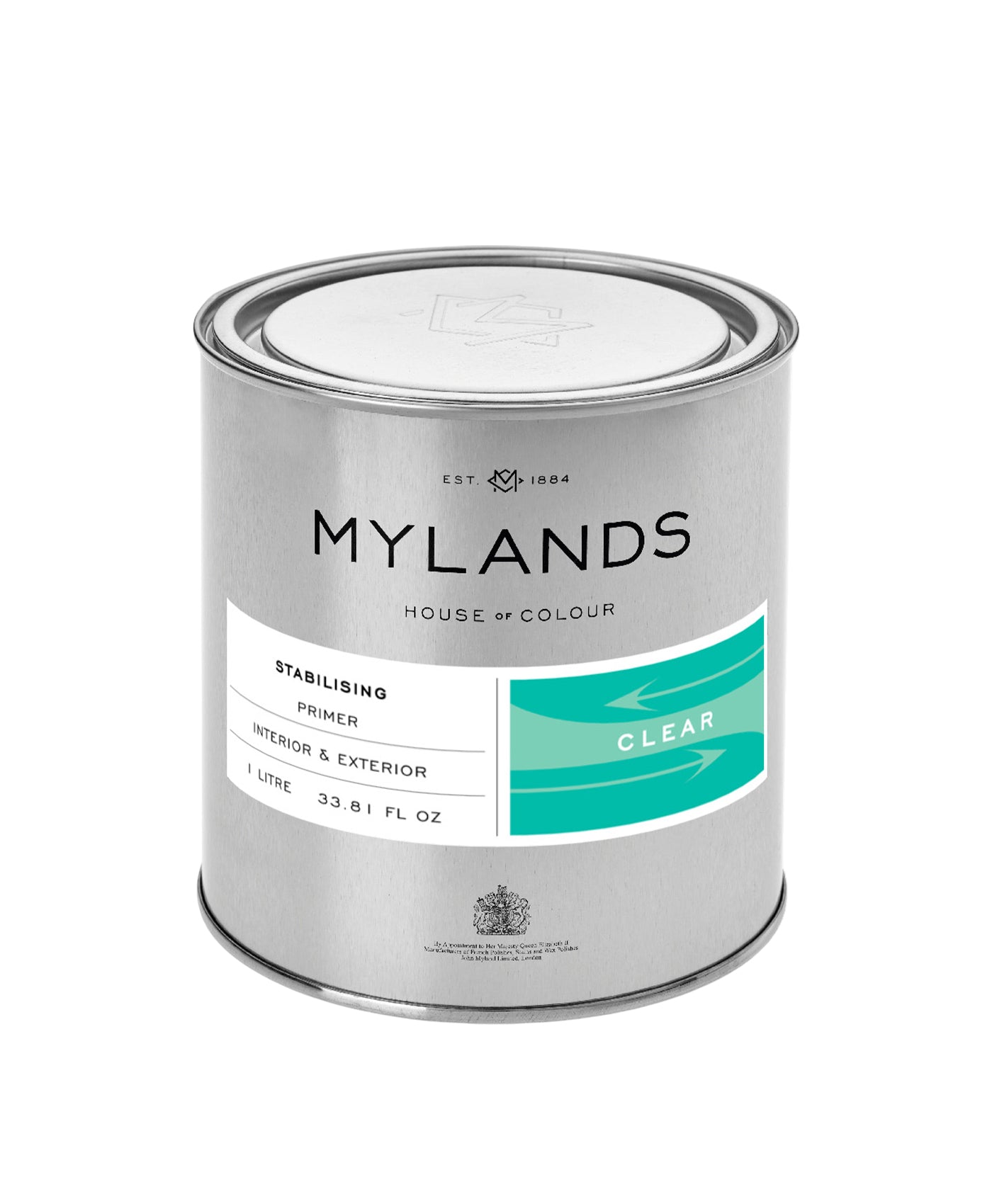
On powdery or porous masonry, apply Stabilising Primer first (not on new concrete).
-
Two coats
Thin the first coat with up to 10% water if needed. Touch dry in 1 to 2 hours; leave 4 hours between coats.
Wood and metal
Painting doors, windows and railings
-
Clean and sand
Remove dirt, grease and loose or flaking paint, then sand to a sound, smooth surface.
-
Seal knots
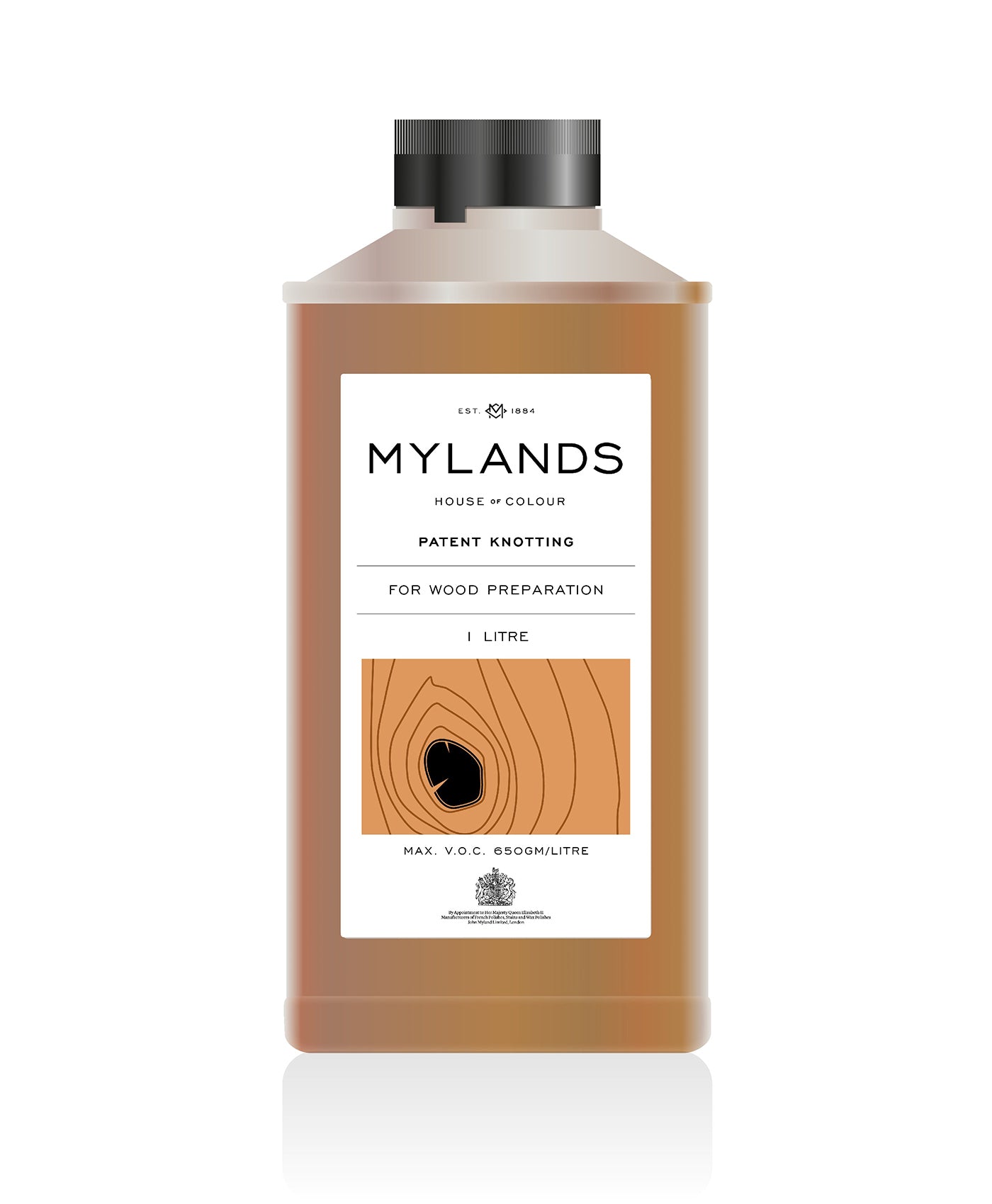
Seal resinous knots in bare wood with Patent Knotting.
-
Prime
Bare wood, metal and uPVC: Multi-Surface Primer, which is anti-corrosive. Not when rain or dew is close.
-
Two coats
Two coats of Multi-Surface Paint, 3 to 4 hours apart. Darker colours may need a third.
Primers
Which primer outside?
| Surface | Primer | Then |
|---|---|---|
| Bare wood | Multi-Surface Primer | Multi-Surface Paint. Seal knots first |
| Bare metal | Multi-Surface Primer | Multi-Surface Paint |
| Powdery or porous masonry | Stabilising Primer | Masonry Paint |
| Sound, previously painted masonry | Ask us first | Masonry Paint, with the first coat thinned up to 10% if needed |
| Limewash or lime render | Ask us first | Masonry Paint isn’t breathable |
Wall Primer is for inside walls only.
Shop
For painting outside

Wood finish
The oil route
Oil for outdoor wood and teak garden furniture.
Outdoor wood
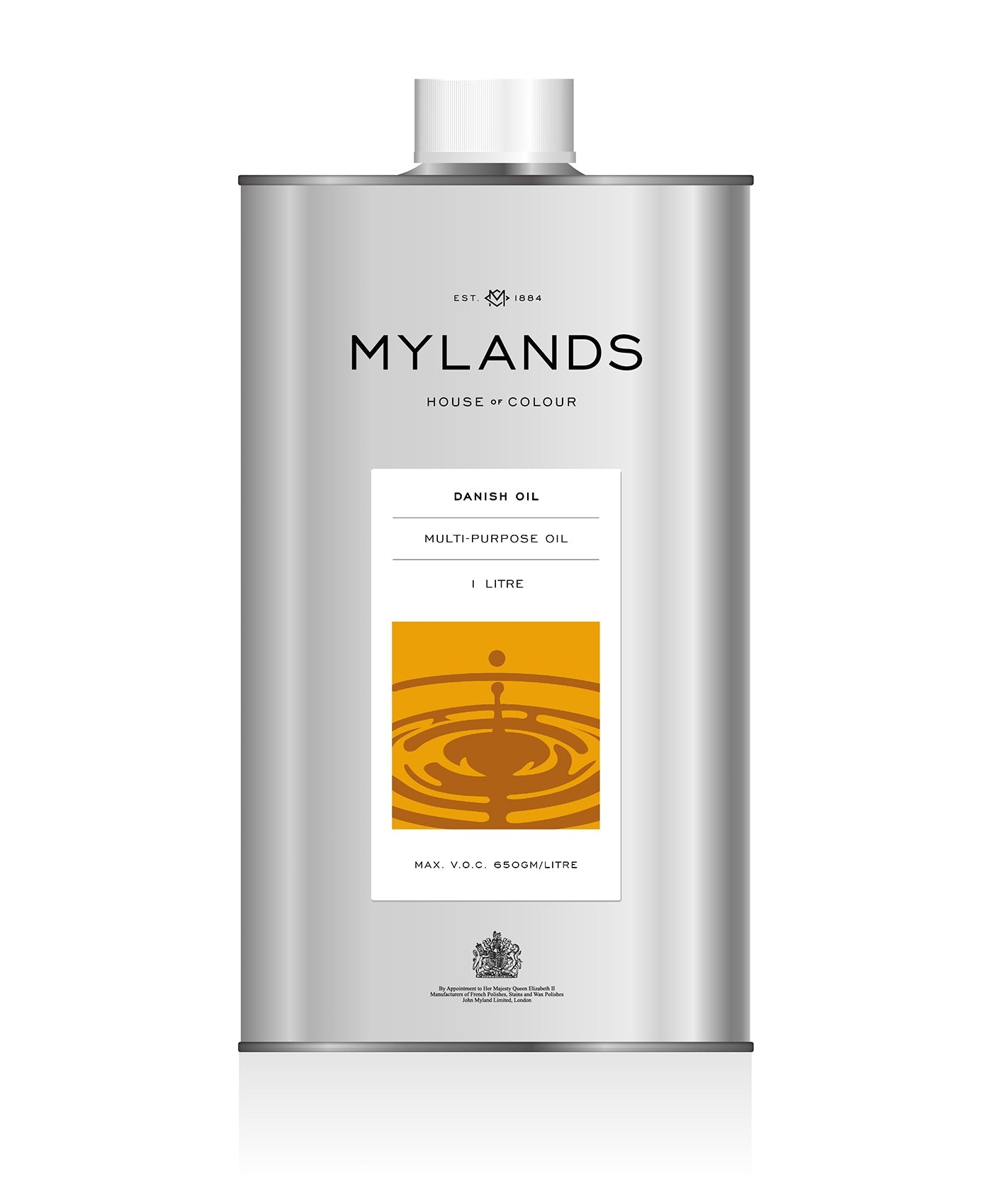
Oiling gates, doors and window frames with Danish Oil
Work on a dry day above 5°C, out of strong sun, with no rain due while the oil dries. Oil needs bare, dry wood: remove old paint, varnish or stain first.
-
Clean and sand
Brush off dirt and moss, wash, rinse and let it dry. Sand grey, rough or furry wood along the grain, then remove the dust.
-
Test it
Try a hidden area first. Oil deepens and warms the colour of the wood.
-
A liberal first coat
Brush or wipe it on. Outdoors, the first coat isn’t wiped off: let the wood drink in all it will take.
-
Build it up
Recoat after 4 to 6 hours at 20°C, longer in cold or damp weather. Softwood is thirstier and needs more coats.
-
End grain
Give the cut ends of posts, rails, sills and door bottoms extra coats: up to six.
-
Keep it up
Re-oil at least once a year, ideally in late spring or early autumn. Don’t pressure-wash oiled wood.
Coverage
Danish Oil covers 10 to 12 m² per litre, per coat. Clean brushes with white spirit. For exterior oak, ask us which oil to use.
Garden furniture
Caring for teak and hardwood garden furniture
Untreated teak weathers to a soft silver-grey and is still sound underneath. To keep the golden colour of new teak, clean back the grey and oil it regularly with Durax Teak Oil.
-
Choose a dry day
Mild weather, out of strong sun, with no rain due while the oil dries.
-
Clean it
Wash with warm, mildly soapy water and a soft brush along the grain. Rinse and let it dry, ideally for a day or two.
-
Restore weathered wood
Sand grey or rough wood lightly along the grain, then remove all dust.
-
Apply thinly
Brush or wipe on a thin coat, working it into the grain, end grain and joints.
-
Wipe off the excess
After a short while, wipe away what hasn’t soaked in. Oil left on the surface stays sticky.
-
Build it up
Let each coat dry, then apply another. Re-oil whenever the wood looks dry or pale, or water stops beading.
Through the winter
Store it under cover or use breathable covers. Avoid plastic sheeting, which traps moisture.
From the Mylands Experts
The old craftsman’s rule
Craftsmen once built a lasting oil finish by oiling once a day for the first month, once a week for the second, once a month for the rest of the first year, then once a year. Today’s oils do the job in far fewer coats. But outdoor wood still rewards the same patient attention: a fresh coat every year, before the weather gets the upper hand.
Shop
For oiling outdoor wood

Questions
Outside questions
Can I use Wall Primer outside?
How cold is too cold to paint outside?
How do I get rid of green algae before painting?
Can I use teak oil on outdoor oak?
How often should I oil outdoor wood?
How do I restore grey teak?
Need advice?
Ask our team
Call us on 020 8670 9161, Monday to Friday, or visit our showroom in West Norwood. We make every tin, so we can answer almost anything.