Wood care
Wax polish guide
Traditional wax polishes, made in London since 1884
Why wax
What does a wax polish do?
Choosing a finish
Wax, oil or varnish: which is right for you?
| Finish | Feel and look | Protection | Upkeep | Best for |
|---|---|---|---|---|
| Wax polish | Soft, warm lustre; lovely to touch | Hard-wearing when maintained | Buff often, rewax when dull | Antique and fine furniture, panelling, banisters, decorative pieces |
| Oil | Natural, low sheen, in the wood | Moderate | Re-oil occasionally | Tables, worktops, turned work, garden furniture |
| Hard Wax Oil | Natural look with a tougher wax-oil finish | Good | Clean and maintain | Floors, tables and busy surfaces |
| Varnish | Clear film, Matt to Gloss | High | Wipe clean, recoat when worn | Kitchen cabinets, bathroom woodwork, doors |
Wax is the right choice when touch, patina and easy refreshing matter, and maintained correctly it is a hard-wearing finish, floors included. It does need regular buffing and rewaxing, so for a low-maintenance floor choose Hard Wax Oil or MyLac; for kitchen and bathroom woodwork, Quick Dry Kitchen and Bathroom Varnish.
Colours
Choosing a wax colour
A coloured wax tints the surface as you polish: a gentle way to warm up pale wood, deepen a tired piece or help a repair blend in. The colour builds a little with each coat.
| Wax | What it looks like | Choose it for |
|---|---|---|
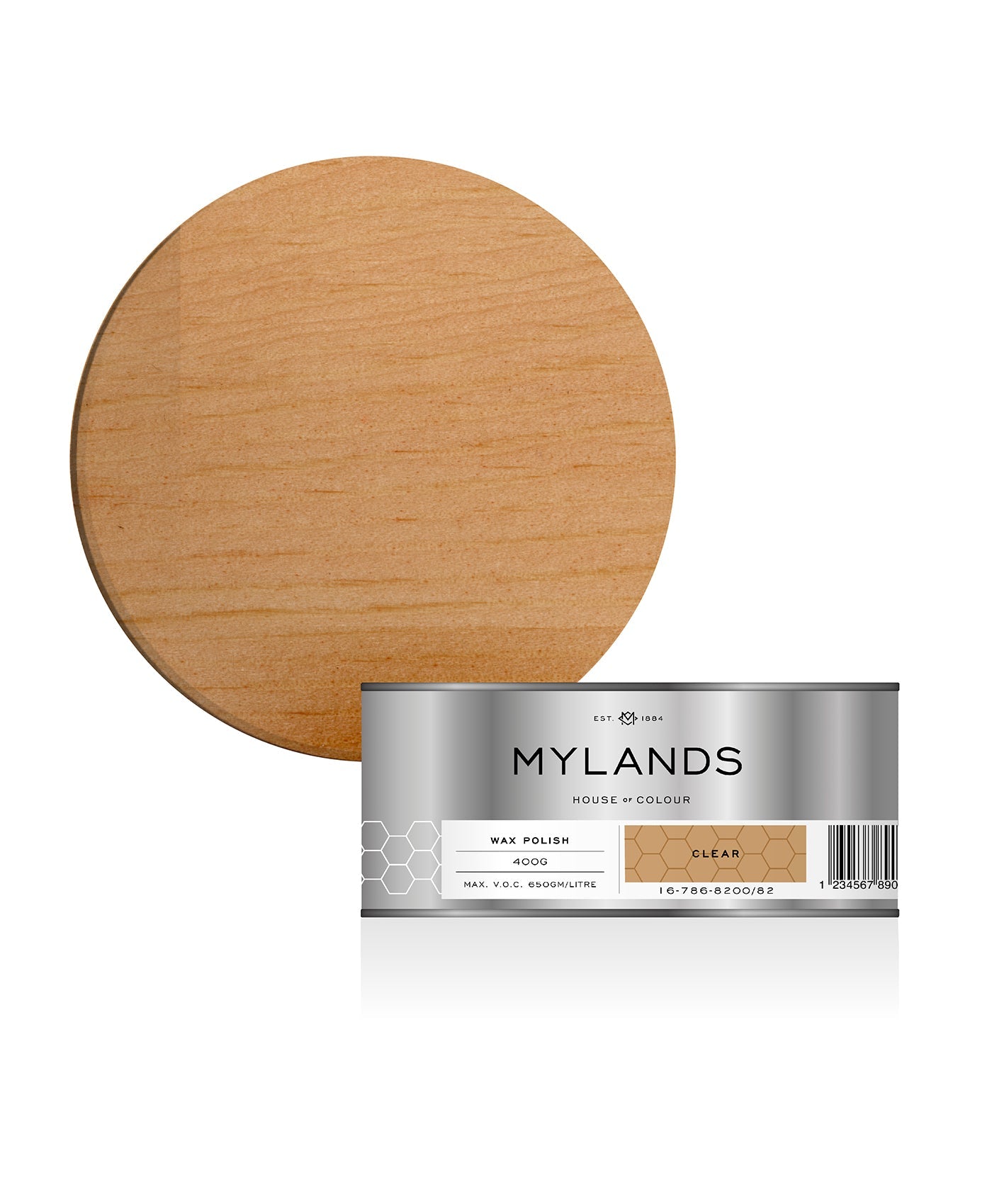
| Clear | A clear wax that brings out the wood’s natural warmth and the beauty of its grain with a soft lustre | Furniture of every colour; enriching without changing tone |
| Light Brown | A delicate, almost clear brown with gentle orange undertones | A subtle warmth; a traditional restorer’s wax |
| Stripped Pine | A warm, golden tone that enhances the natural character of pine | Stripped and old pine furniture |
| Antique Brown | A warm, golden brown with gentle orange undertones | Bringing warmth and age to pine and lighter woods |
| Rustic Brown | A deeper, warm brown that enriches the grain | Country pine and rustic pieces |
| Dark Oak | A cool, muted brown that lends a rich, aged character | Antique oak, or furniture that looks too pale |
| Antique Mahogany | A subtle, warm tint that complements mahogany and richer coloured timbers | Mahogany and antique restoration |
| Dark Patinating | A deep brown with subtle purple undertones: the rich patina of aged furniture | Ageing antique and reproduction finishes |
| Black | A deep black wax that adds depth and a gently distressed, aged character | Antique furniture and new timber, for a distressed look |
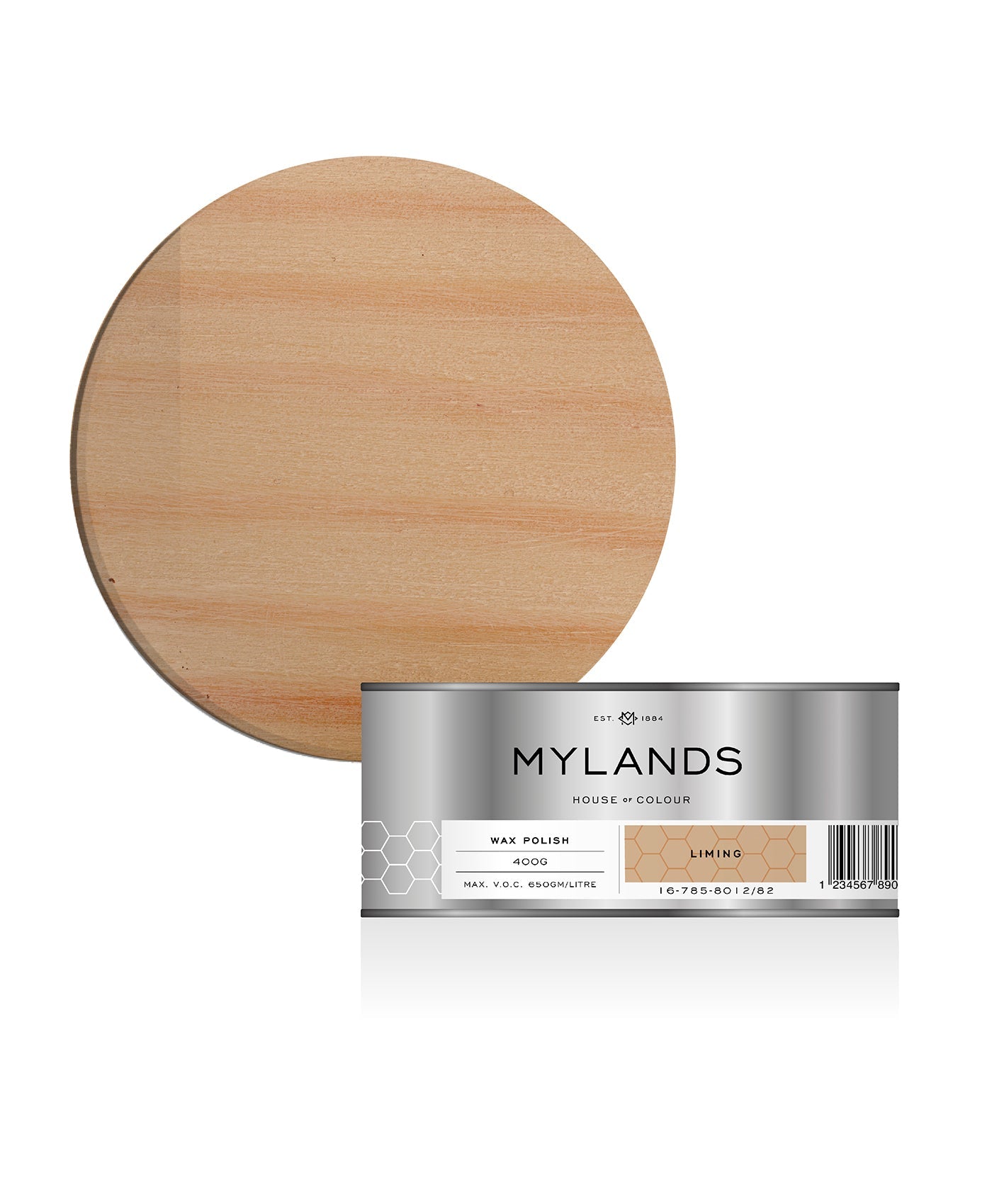
| Liming Wax | A soft white wax that highlights the grain | A limed effect on open-grained timber |
As with any colour, always test first on your own timber. A wax that looks gentle on oak can look much stronger on pine.
Applying
How to wax wood
-
Prepare
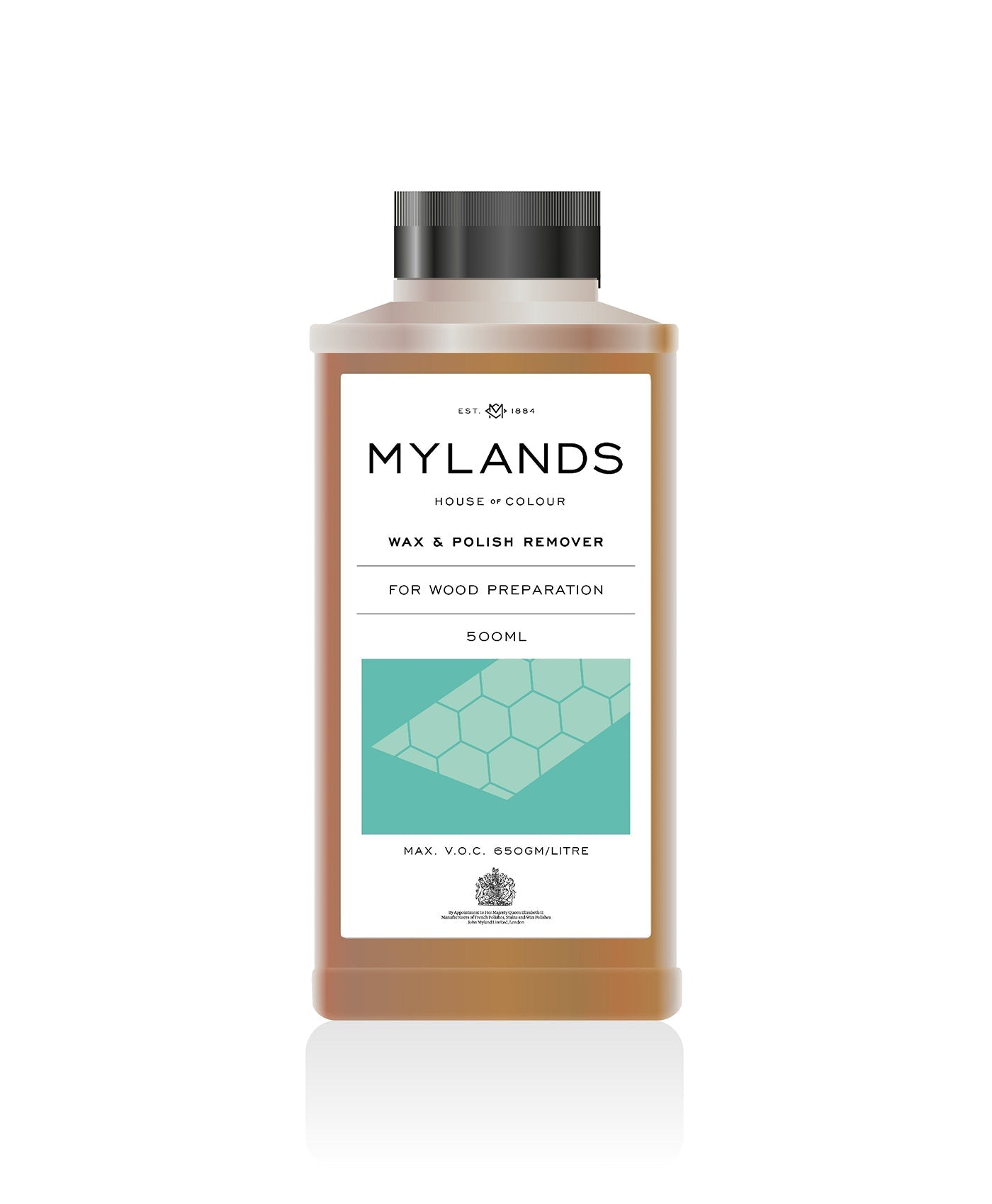
Make sure the surface is clean, dry and free from dust. If there’s a build-up of old wax and grime, lift it first with Wax and Polish Remover.
-
Seal bare wood (optional)
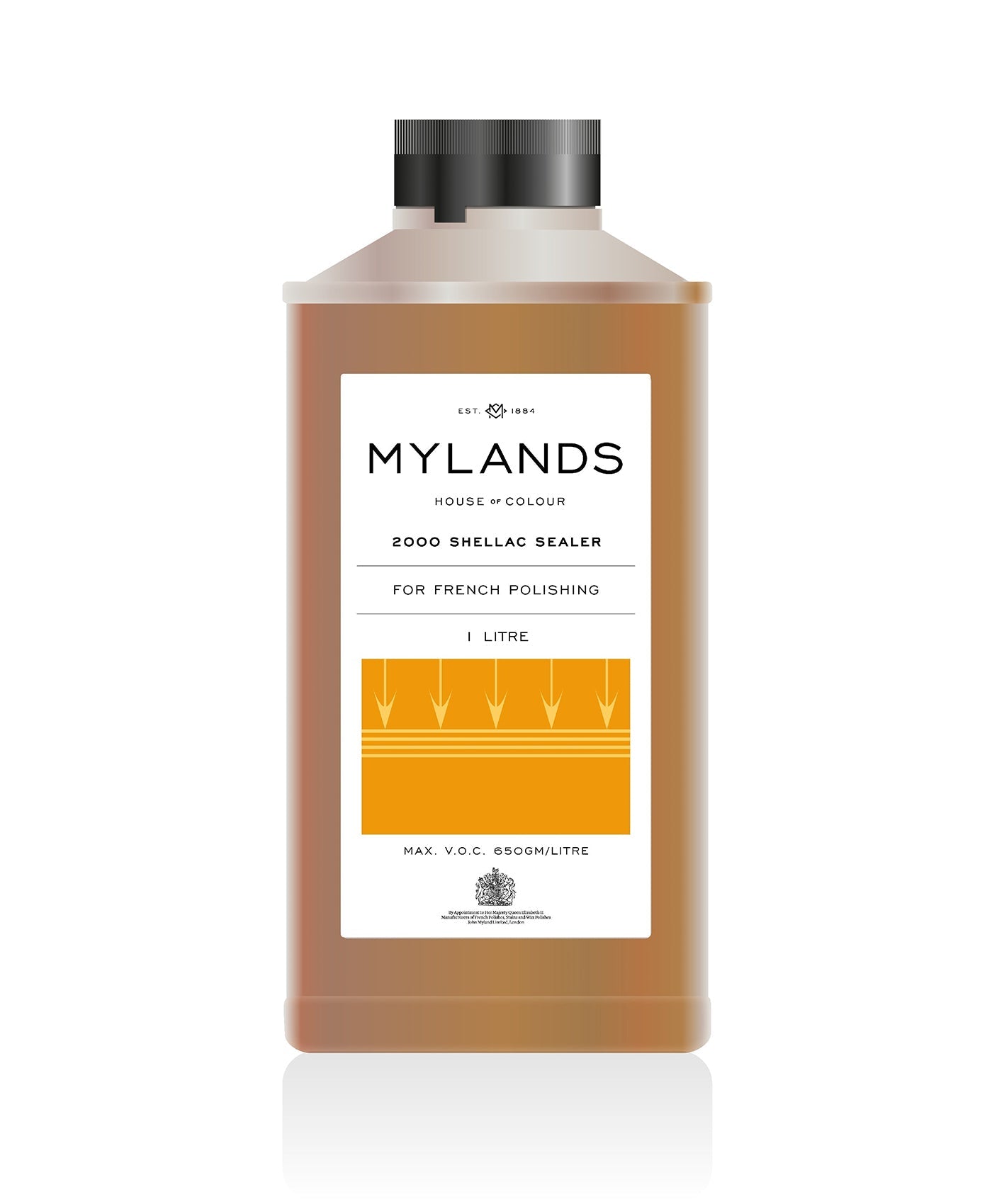
For the best shine, brush on 2000 Pale Shellac Sealer Basecoat and leave it about 30 minutes to dry.
-
Apply thinly
Work the wax onto a clean, lint-free cloth (or 0000 wire wool on sealed bare wood) and spread a thin, even layer along the grain. Less is more.
-
Let it dry
On antique and fine furniture, let the wax dry before buffing. On lacquered wood, buff almost straight away.
-
Buff
Polish with a fresh, soft, white lint-free cloth or a soft brush until the surface feels smooth and dry, not sticky.
-
Build it up
Repeat with more thin coats for more depth and shine.
Martin’s advice
When you think you have buffed enough, run a smooth rag across the surface. If it slides freely, you are done. If it drags, keep going.
Before and after
Can I wax over other finishes?
Looking after waxed wood
From the Mylands Experts
The showroom that was waxed every week
Martin remembers a time when a polished showroom floor was a point of pride, buffed regularly with a floor machine and given a fresh coat of wax every week. It took real effort, but the result was a deep, mellow glow you simply cannot fake.
Traditional wax recipes have changed over the years as ingredients have come and gone. What has not changed is the method: thin coats, patience and plenty of elbow grease.
Not every floor needs that level of devotion today, and Hard Wax Oil and MyLac offer lower-maintenance alternatives. But for a traditionally waxed floor, a treasured table, a carved chair or an old oak chest, a hand-buffed wax polish is still hard to beat.
Shop
Wax polishes
Questions
Wax polish FAQs
What is the best wax for antique furniture?
Is Mylands wax beeswax?
Can I use wax on a floor?
Will coloured wax rub off on clothes?
How often should I rewax furniture?
Why is my waxed surface sticky?
Can I paint or varnish over wax?
Can I use wax on painted furniture?
What sizes do the waxes come in?
Need advice?
Ask our team
Call us on 020 8670 9161, Monday to Friday, or visit our showroom in West Norwood. We make every tin, so we can answer almost anything.