Wood care
Preparing and sanding
Before oiling, staining, waxing or lacquering
Step by step
Seven steps to a good surface
-
Assess before you sand
What wood is it, and what finish is on it now? Do you want to keep its colour and patina? Clean a small area first and let it dry: you may find the finish is sounder than it looks.
-
Clean off old wax and polish
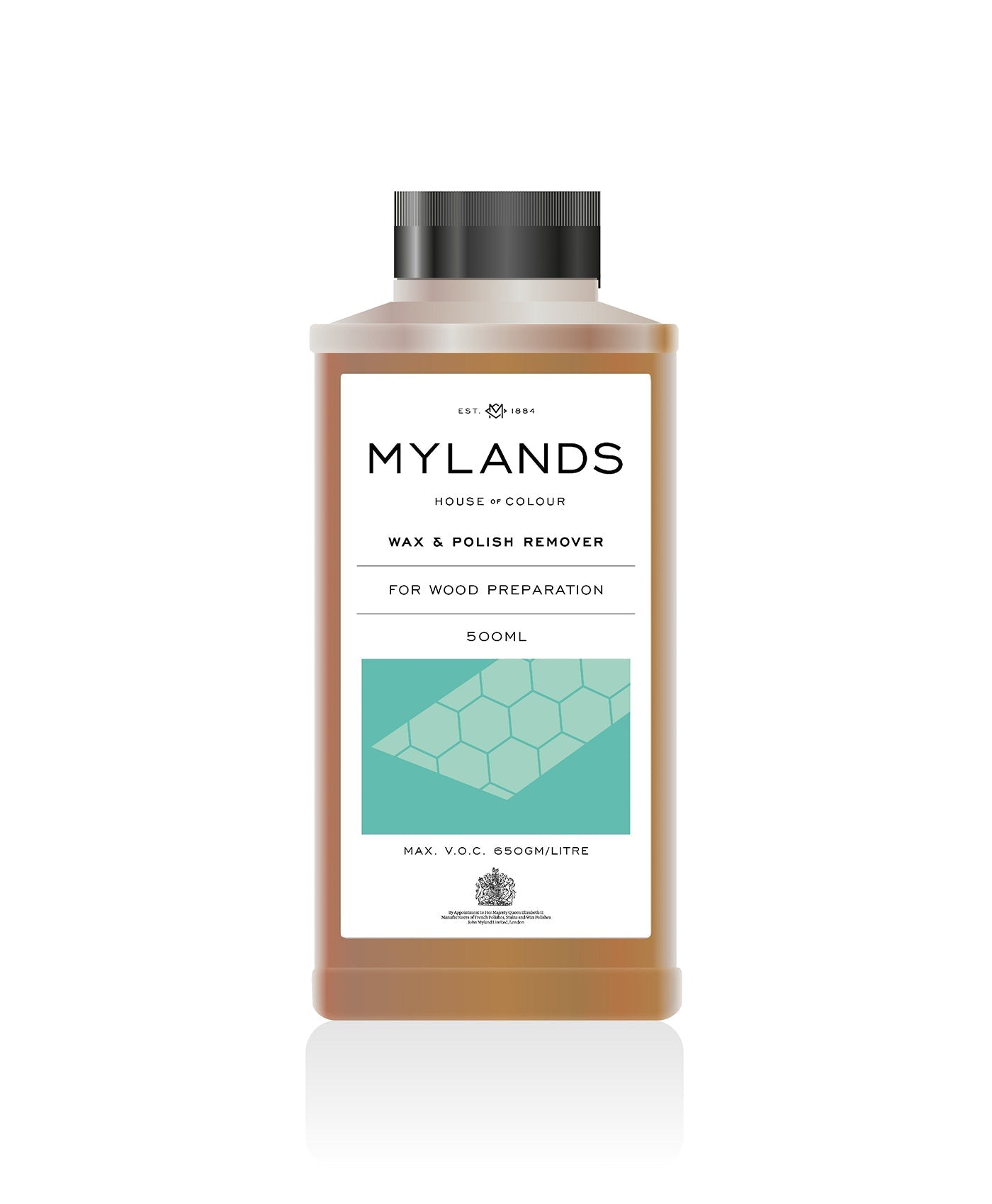
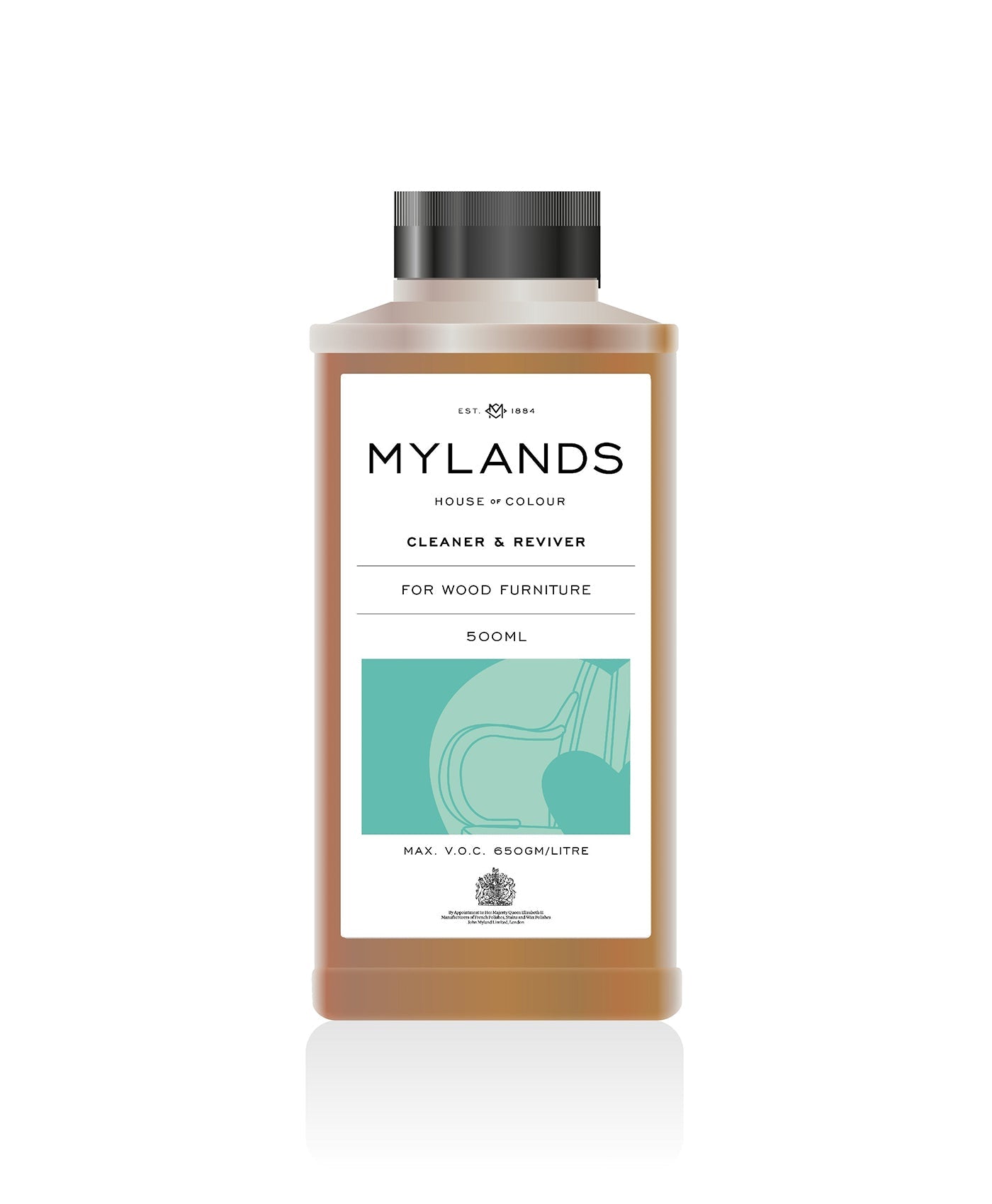
Sanding over wax, polish or grease smears it into the wood, clogs your paper and stops a new finish sticking. Lift it with Wax and Polish Remover, changing your cloth as soon as it is loaded. Clean finishes you want to keep with Furniture Cleaner and Reviver, and let everything dry.
-
Sand through the grits
Work up one grade at a time: each removes the scratches left by the one before. Always sand along the grain for the final grits. The grit guide gives the grades for each job.
-
Remove every speck of dust
Vacuum thoroughly, including gaps and corners, then wipe over with a barely damp, lint-free cloth. Dust left behind ends up trapped in the finish.
-
Raise the grain for water-based finishes
Wipe the sanded wood with a barely damp cloth, let it dry completely, then sand lightly with your final grit and dust off. With varnish and lacquer, a light denib with 240 grit between coats does the same job.
-
Seal, if your system needs it
Some finishes need a sealer underneath. The sealer guide shows which one goes with which system.
-
Always test first on your own timber
Take an offcut of the same wood, or a hidden area, through every step: sanding, stain, sealer and all your topcoats. Only then will you see the true colour and finish.
Martin’s advice
Do not assume sanding is the best way to restore something. Once the colour and character have gone, they are very hard to bring back.
Grit guide
What grit should I sand to?
| Project | Start | Finish at | Why |
|---|---|---|---|
| Damaged floors | 80 | 120, or up to 180 at most, depending on the wood and the product | Leaves the surface open so stain and oil can soak in |
| Floors for Hard Wax Oil | 80 | 120, or up to 180 at most, depending on the wood and the product | Recommended final preparation for hard and soft woods |
| Floors for MyLac and MyLac Extra | 80 | 120, or up to 180 at most, depending on the wood and the product | Recommended preparation on the technical sheets |
| Furniture | Clean thoroughly, then 120 | 240 to refine, before staining, oil, wax or polish | A finer finish for furniture, which does not need the same absorption |
| Kitchen cabinets for varnish | 120 | 240 to refine | A smooth, keyed surface for a film finish |
| Wood turning | As needed | 320 to 400 (up to 600 for friction polish) | Stop the lathe and sand along the grain at each grit |
Martin’s advice: on oak floors, don’t over-sand. Going too fine can close the surface and stop stain or oil from soaking in properly.
Sealing
Which sealer goes under my finish?
| Sealer | Use it for |
|---|---|
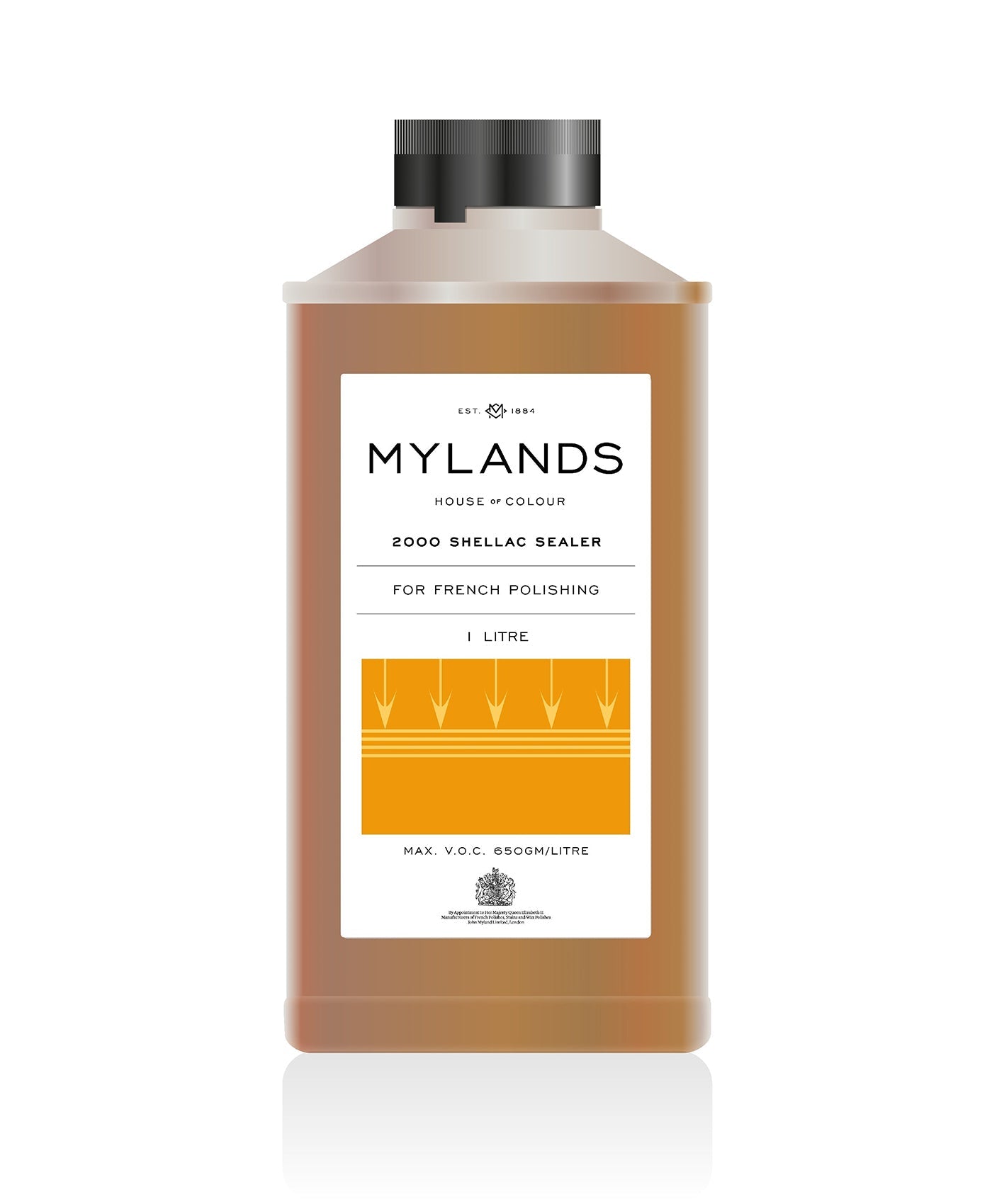
| 2000 Pale Shellac Sealer Basecoat | Under French polish and wax, and in some stain systems |
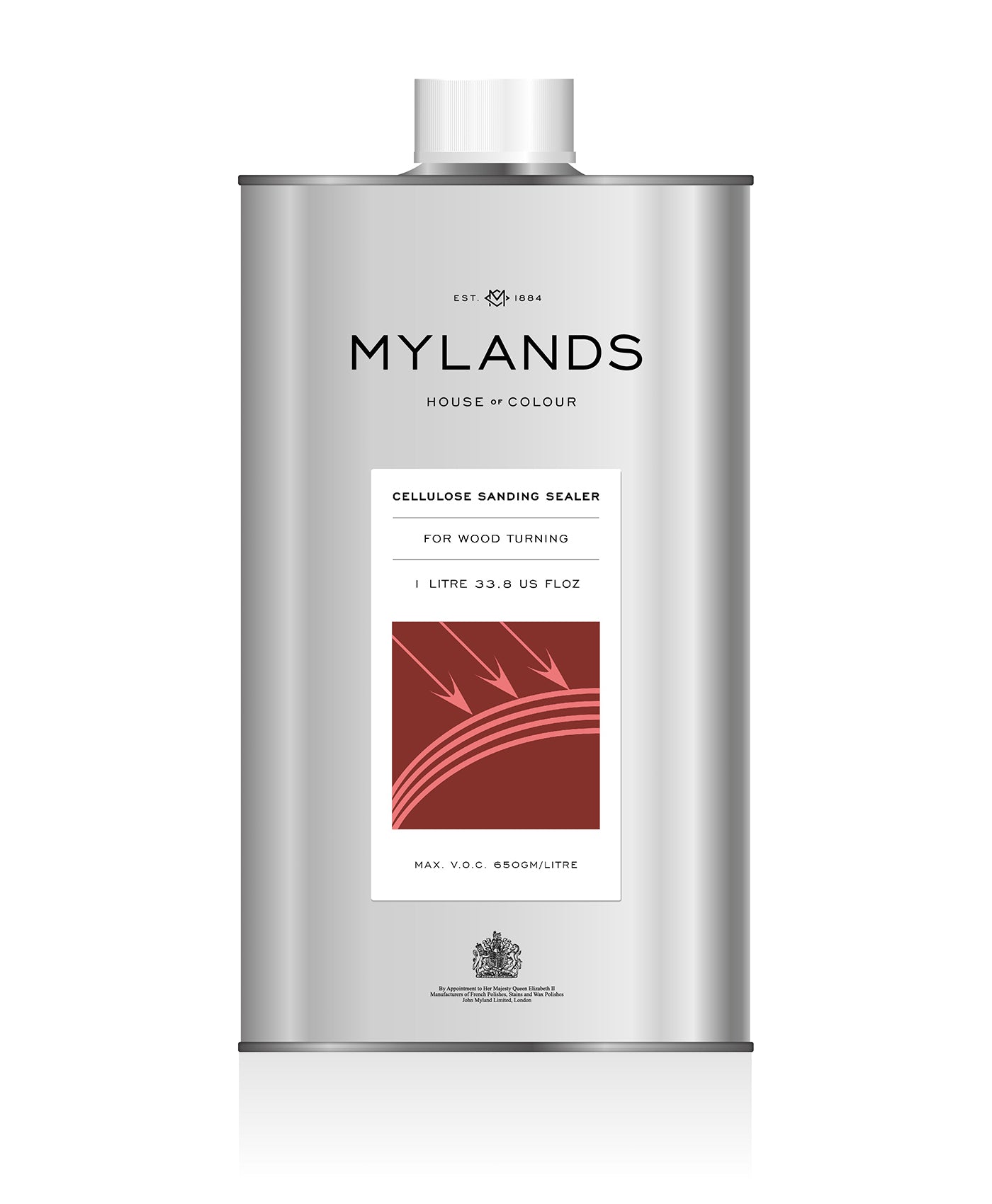
| Cellulose Sanding Sealer | Wood turning and furniture under cellulose and friction finishes |
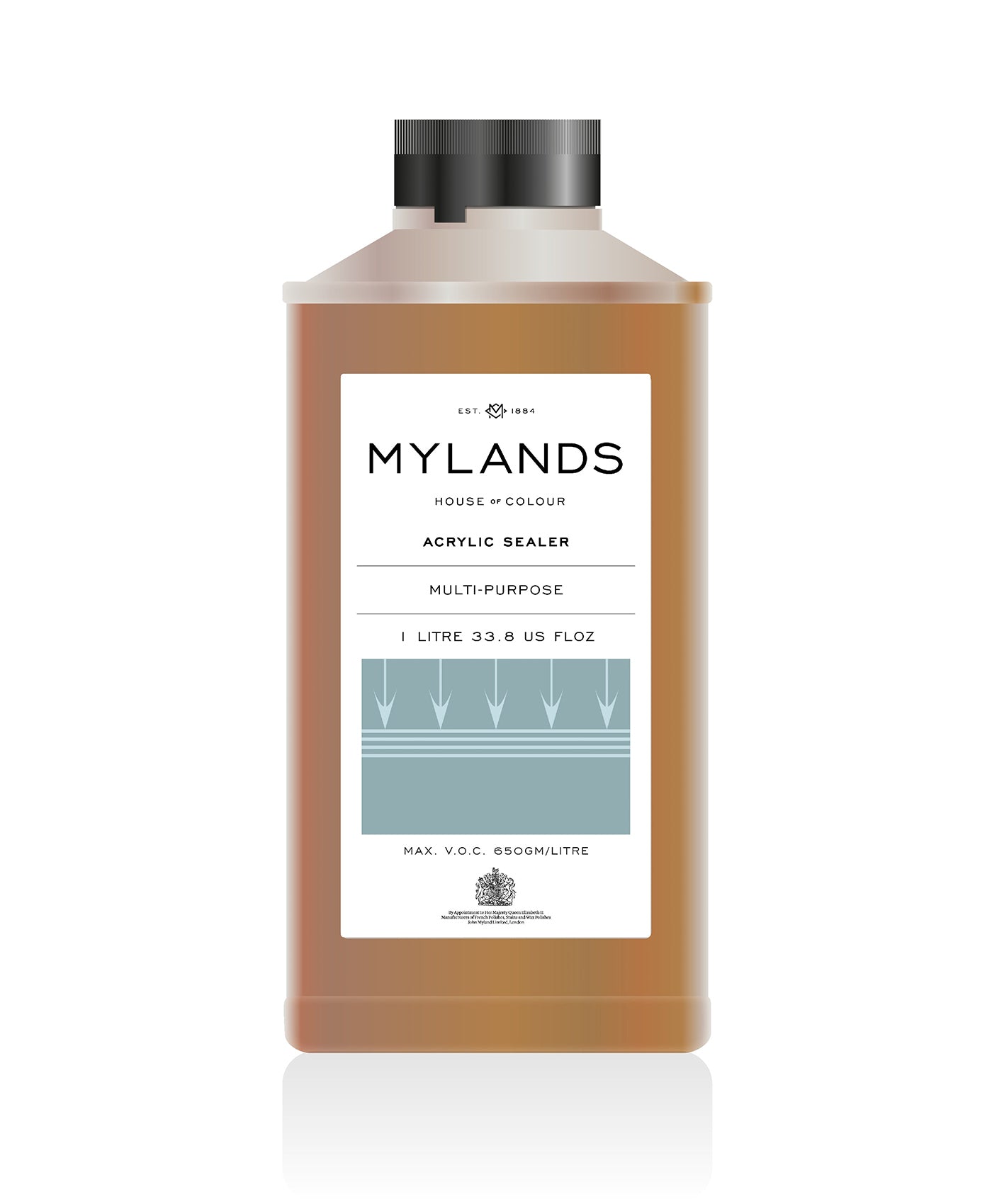
| Acrylic Sealer | Under water-based finishes, including wooden toys |
| Shellac Barrier Seal for Floors | Under water-based floor lacquer, especially over Water Stains or on resanded floors, or to seal knots. Stops the lacquer delaminating |
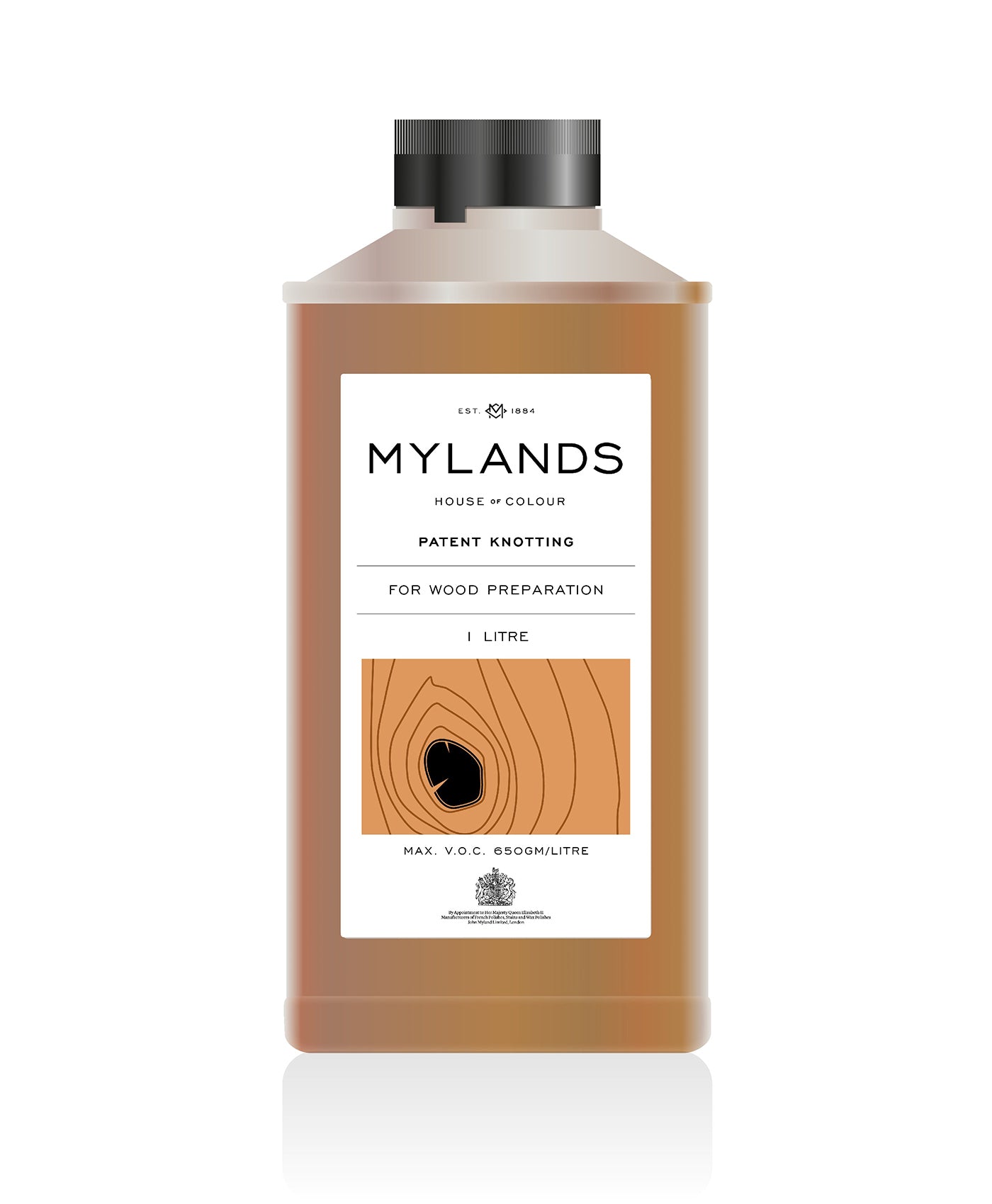
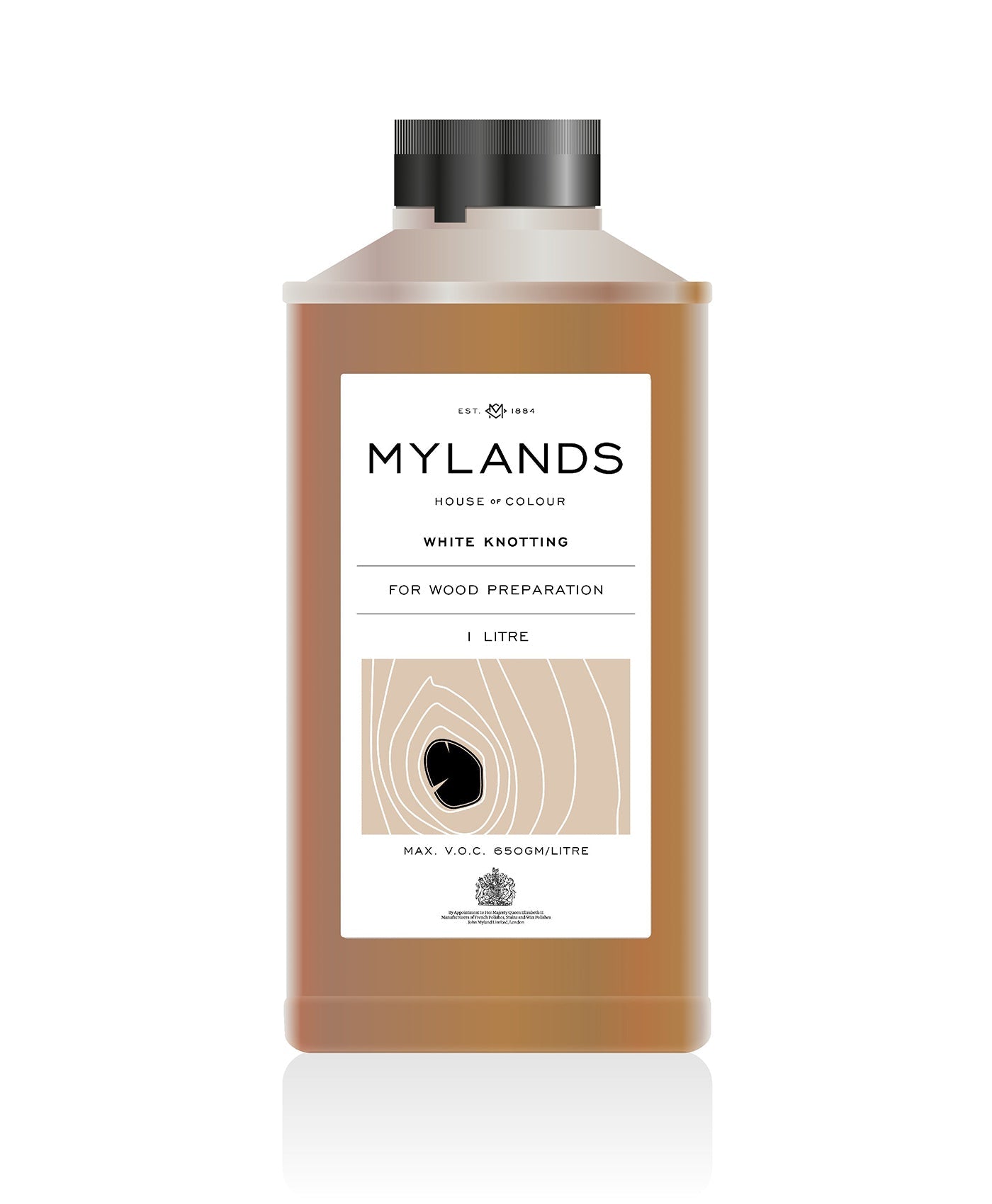
| Patent Knotting and White Knotting | Sealing resinous knots in pine before painting |
From the Mylands Experts
Why the finish is only as good as the preparation
French polishers of old would spend far longer preparing a piece than polishing it. They filled the grain, cut back every ridge and sanded until the surface was flawless, because they knew shellac would magnify any mark left behind. Today’s finishes are quicker and easier to use, but that old truth has not changed. Take your time over the preparation, and the finish will look after itself.
Shop
For preparation

Questions
Preparation FAQs
What grit should I sand to before staining?
What grit should I sand to before oiling?
Do I need to sand between coats?
Why does my wood feel rough after a water-based finish?
Can I sand off old wax?
Need advice?
Ask our team
Call us on 020 8670 9161, Monday to Friday, or visit our showroom in West Norwood. We make every tin, so we can answer almost anything.