By surface & project
Doors, woodwork and stairs
Paint for doors, skirting, windows and radiators; a wood finish for stairs and handrails
| Route | What you use | What it gives you |
|---|---|---|
| Paint: doors, skirting, window frames, radiators and metal | Multi-Surface Paint over Multi-Surface Primer | Dead Matt 5%, Eggshell 15%, Satin 40% or Gloss 85%; hard-wearing, by brush, roller or spray |
| Wood: handrails, spindles, balustrades and newel posts | Melamine Lacquer, with Wax Polish on a handrail for a silky feel | A hard-wearing clear finish with heat and water resistance |
| Wood: stair treads | A floor finish: MyLac, MyLac Extra or Hard Wax Oil | Protection for foot traffic |
Paint
The paint route
Paint for doors, skirting, windows and radiators, over the right primer.
Step by step
Painting doors, skirting and window frames
Paint between 8°C and 30°C and stir well. Multi-Surface Paint covers about 14 m² per litre.
-
Clean and sand
Remove dirt, grease and loose or flaking paint, then sand to a sound, smooth surface.
-
Seal knots
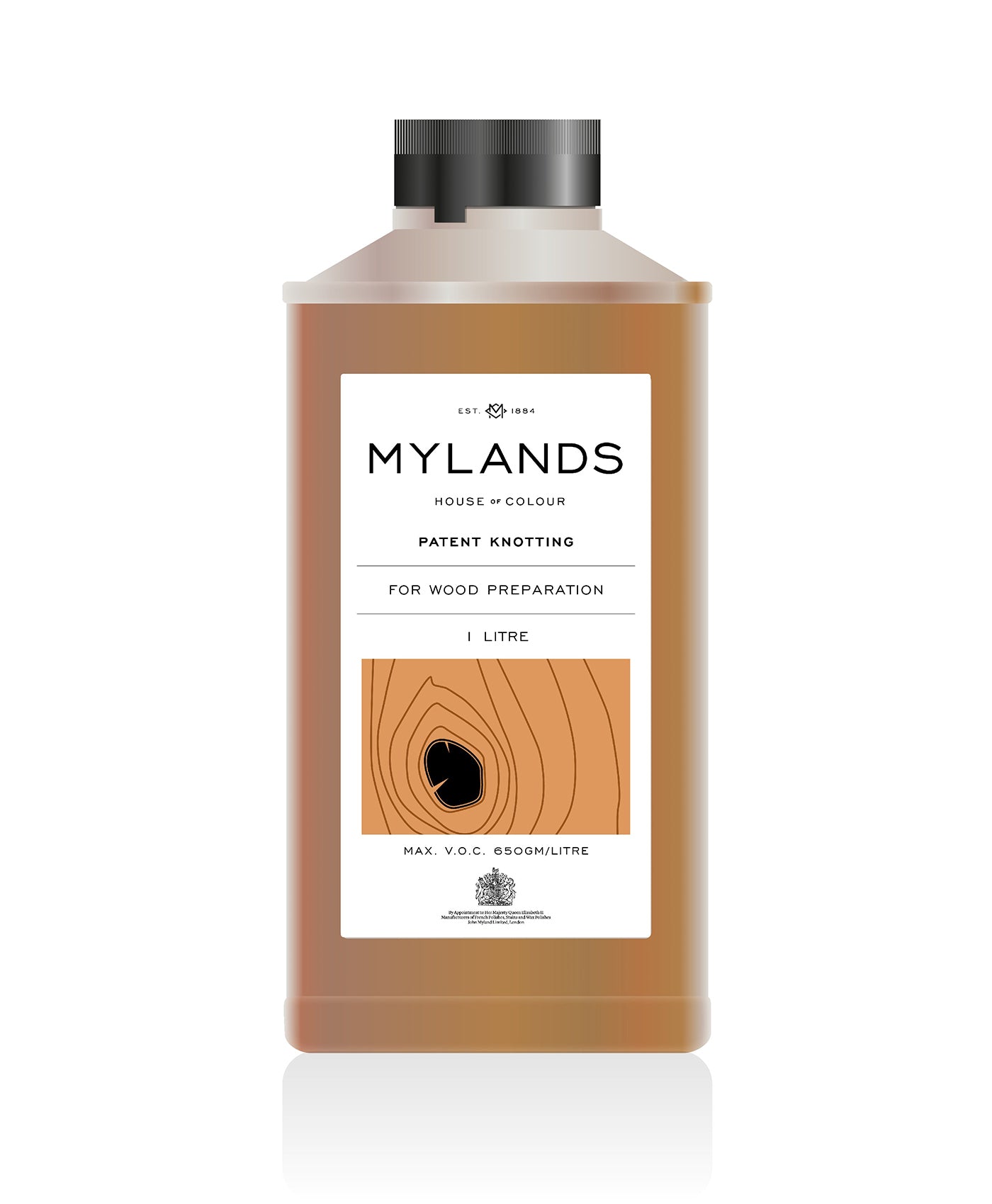
Seal resinous knots in bare wood with Patent Knotting.
-
Prime
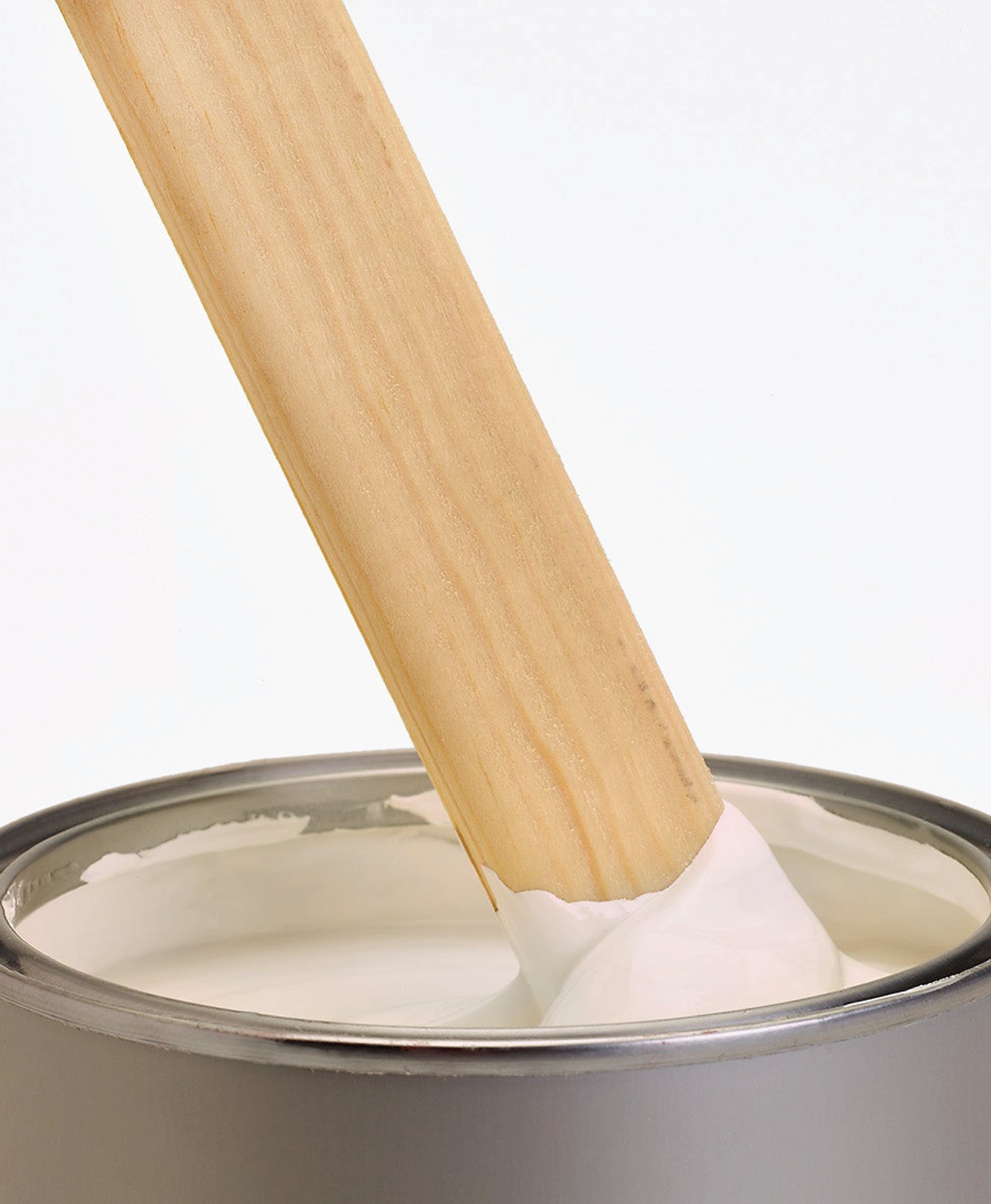
Multi-Surface Primer on bare wood, MDF and metal: two coats on new surfaces, one on painted wood. It is anti-corrosive, so it suits radiators too.
-
Two coats
Two coats of Multi-Surface Paint, 3 to 4 hours apart. It is touch dry in 1 to 2 hours; darker colours may need a third coat.
Good to know
Multi-Surface paints aren’t breathable, so keep them off lime plaster. Wash brushes and rollers in warm water with a little detergent.
Shop
For painting woodwork

Wood finish
The wood route
A wood finish for stairs and handrails, and how to look after it.
Finishes
The right finish for each part of a staircase
| Part of the staircase | What it needs | Our recommendation |
|---|---|---|
| Treads | Tough, foot-traffic protection | A floor finish such as MyLac, MyLac Extra or Hard Wax Oil, not Melamine Lacquer |
| Risers and strings | Protection from scuffs and knocks | The same finish as the treads, or Melamine Lacquer |
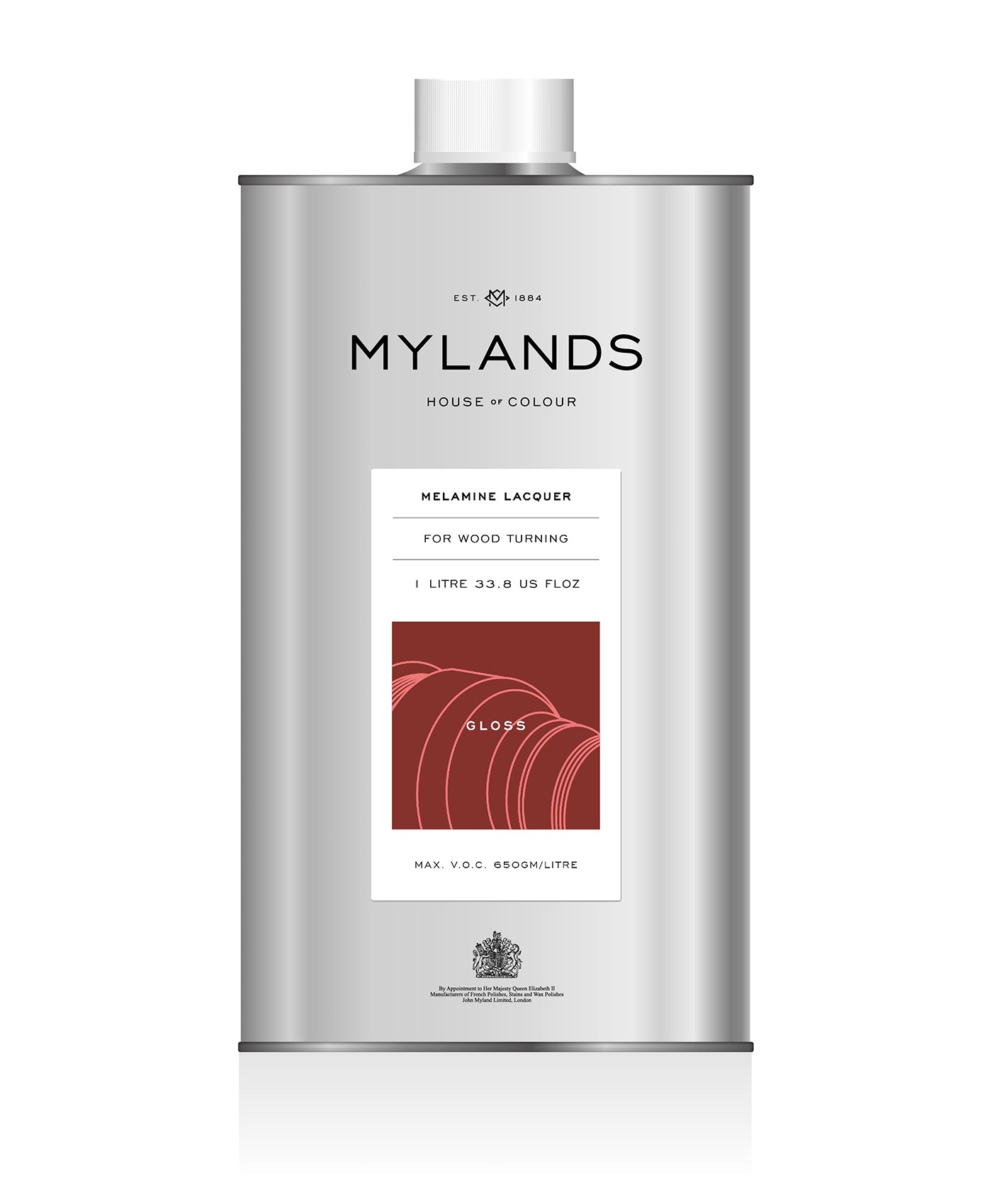
| Handrails | Smooth, hard-wearing and lovely to touch | Melamine Lacquer for a tough clear finish; Wax Polish on top for a silky feel |
| Spindles and balustrades | Easy-care protection | Melamine Lacquer |
| Newel posts | Protection and a beautiful finish | Melamine Lacquer, or French Polish on a fine antique staircase |
Martin’s advice: keep Melamine Lacquer for the handrails, spindles and balustrades. For the treads, use a finish made for floors.
Finishing a staircase
Finishing handrails, spindles and balustrades
-
Sand
Sand smooth along the grain and remove all dust.
-
Seal
Seal with a sealer that suits the lacquer. Ask us which one before you start.
-
Lacquer
Apply Melamine Lacquer in thin coats, lightly denibbing between coats. Clean brushes and equipment with Cellulose Thinners.
-
Wax a handrail
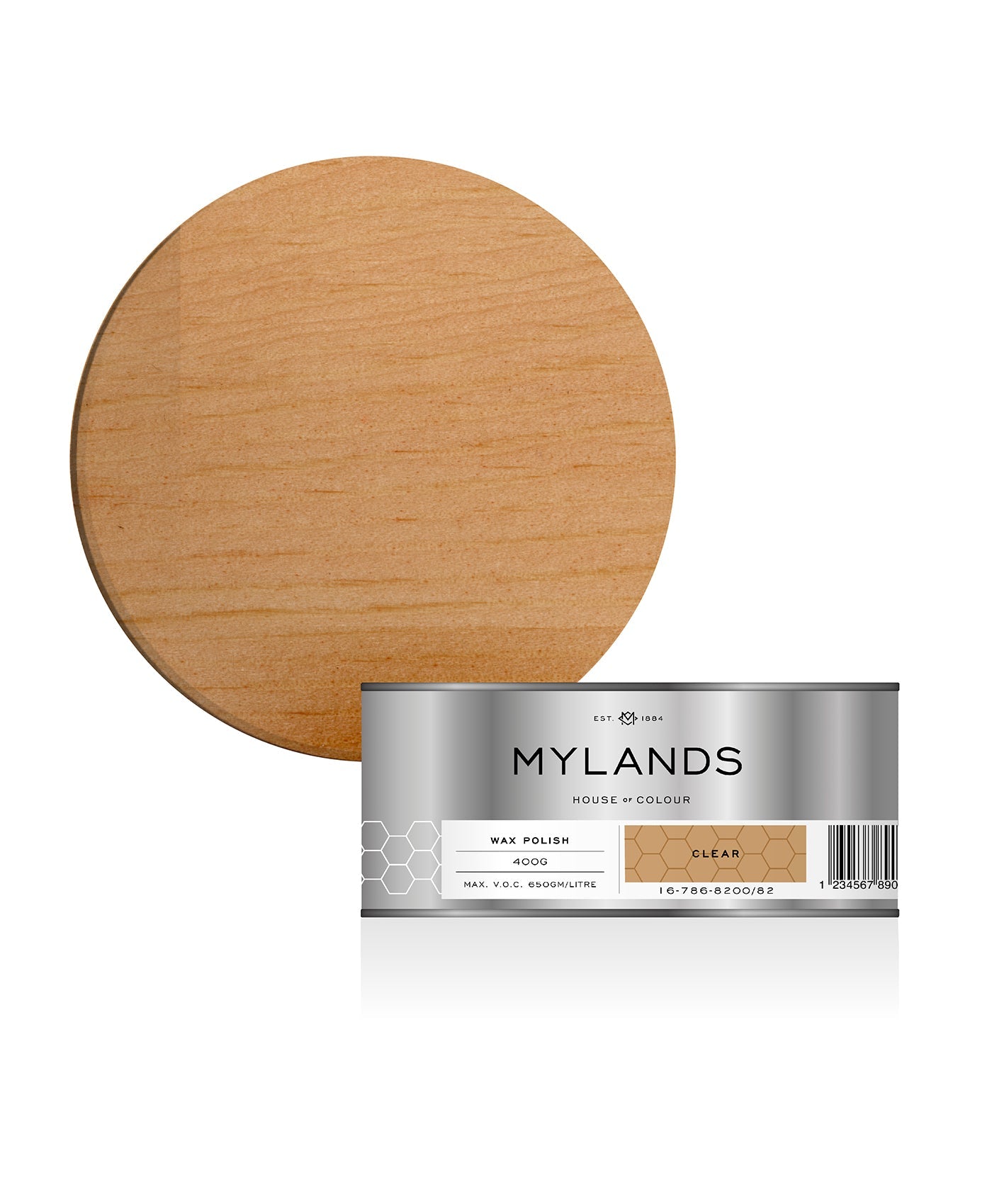
For a silky handrail, apply a thin coat of Mylands Wax Clear once the lacquer has hardened, then buff.
Tip
Finish every other tread first and let them dry, then do the rest, so the stairs can still be used while you work.
Finishing a staircase
Restoring an old banister
Old handrails often carry years of polish, grime and hand grease.
-
Lift the build-up
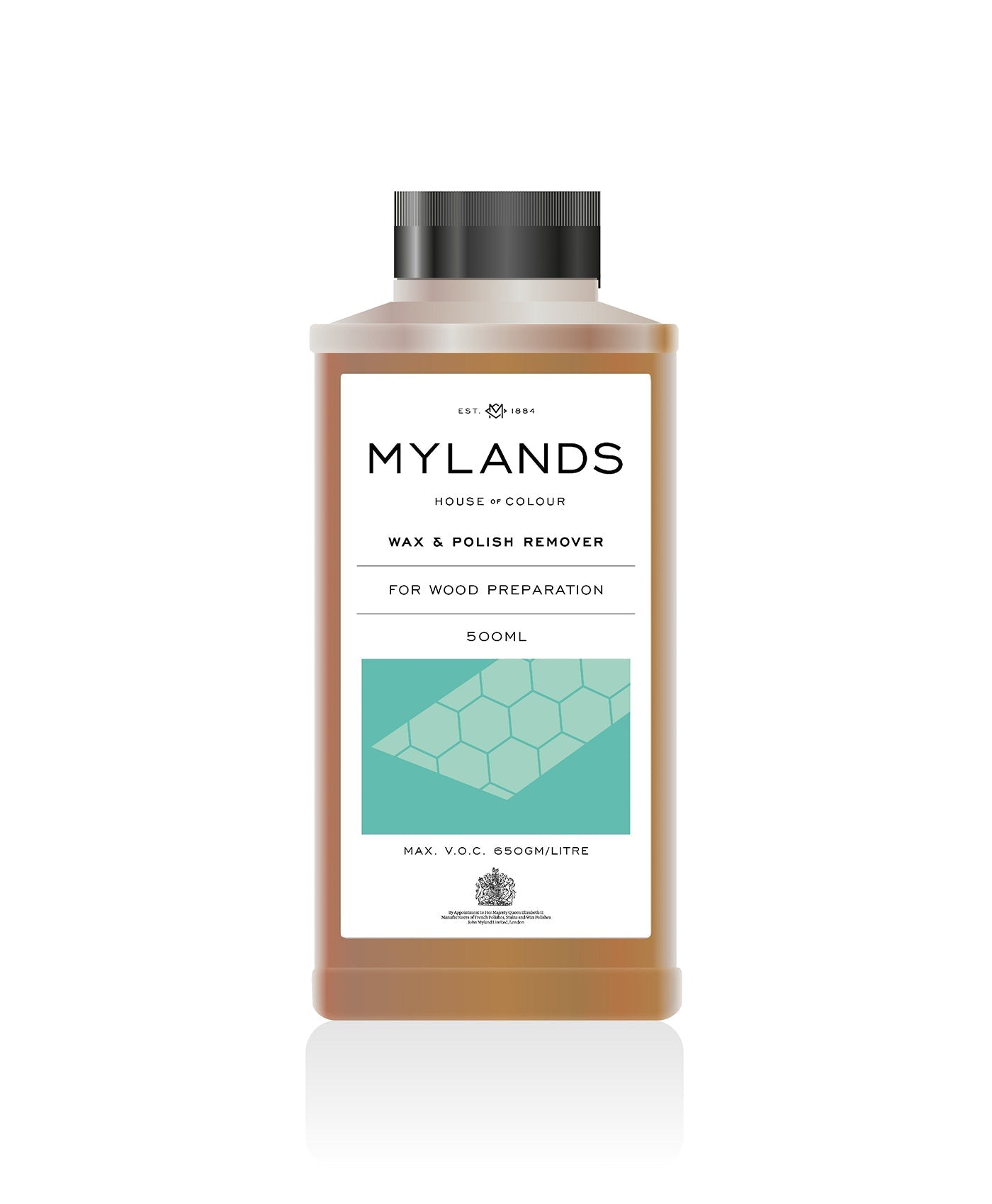
Use Wax and Polish Remover, changing your cloth as soon as it is loaded.
-
Clean and revive
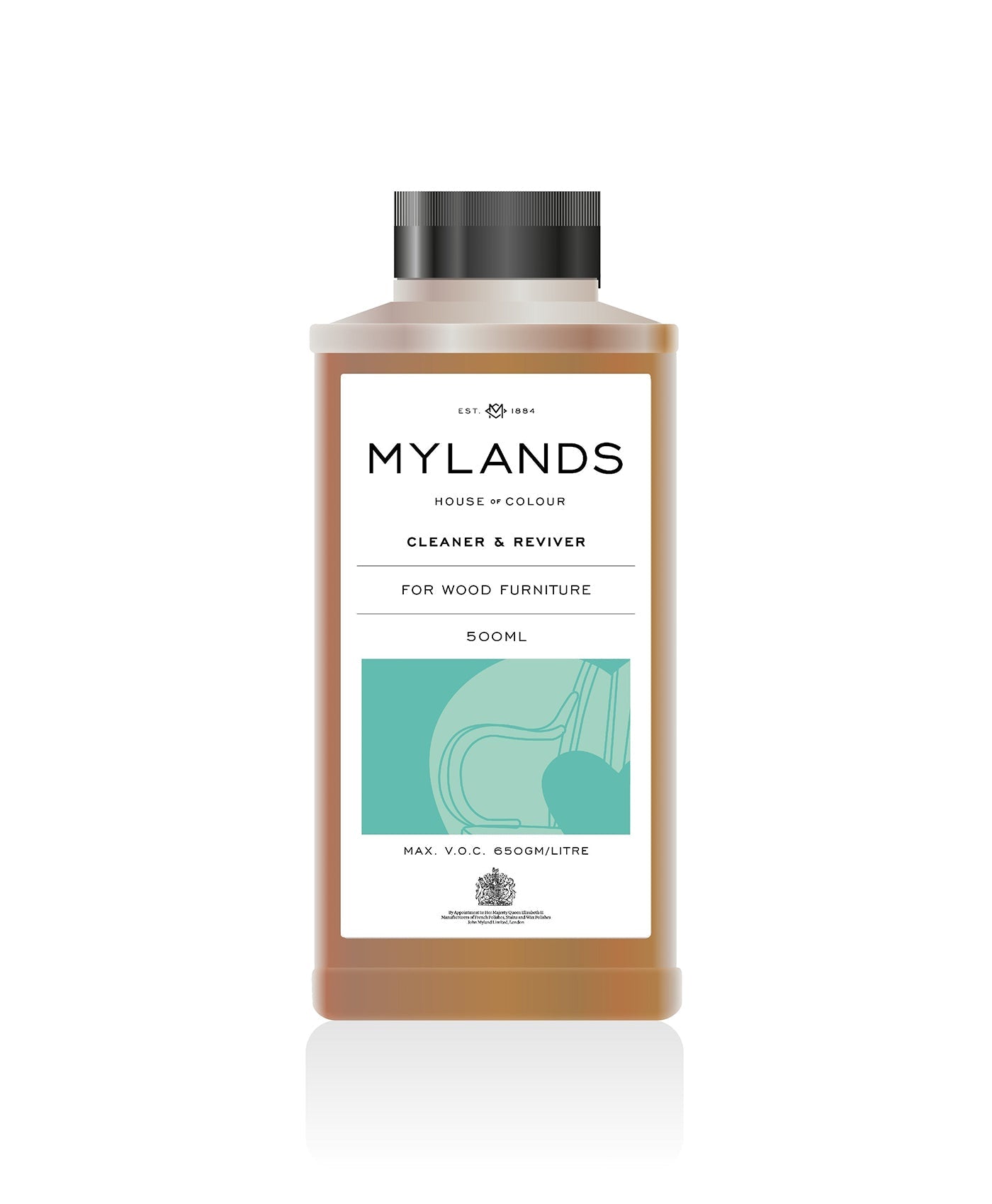
Clean and revive the finish with Furniture Cleaner and Reviver.
-
Sound finish?
Apply a thin coat of Wax Polish and buff.
-
Worn through?
Sand back and refinish with Melamine Lacquer, or French Polish on an antique.
Afterwards
Looking after a wooden staircase
From the Mylands Experts
The smooth rag test
When Martin waxes a lacquered handrail, he runs a smooth rag along the rail. If it drags, there is still wax to buff off. When the rag slides freely from top to bottom, the finish is right: smooth, even and ready to be held.
Shop
For wooden stairs
Questions
Doors and stairs questions
Can I use Melamine Lacquer on stair treads?
Should I wax my banister?
How do I clean a sticky handrail?
Do I need to seal knots?
What’s the difference between Wall Primer and Multi-Surface Primer?
Need advice?
Ask our team
Call us on 020 8670 9161, Monday to Friday, or visit our showroom in West Norwood. We make every tin, so we can answer almost anything.