Skip to content

suppliers to the royal households

4.8 star rated by our customers

award-winning paint collections

Your palettes

Palette page
Palette page

Save colours to

Keep your palettes

Your palettes are saved on this device only. Sign in to keep them on your phone and computer, and to share them with our colour specialists when you book a consultation.

Sign in Create an account

Order samples

Colour Swatches · Coming soon

A card painted in the real paint, first three free.

Tell me when

    Your basket

    Your basket is empty.

    Shop colours Order samples

    Bestsellers

    Change finish or size

    By surface & project

    Worktops and chopping boards

    Oil, built up properly before you use it

    Which oil for which worktop?

    You wantChooseWhy
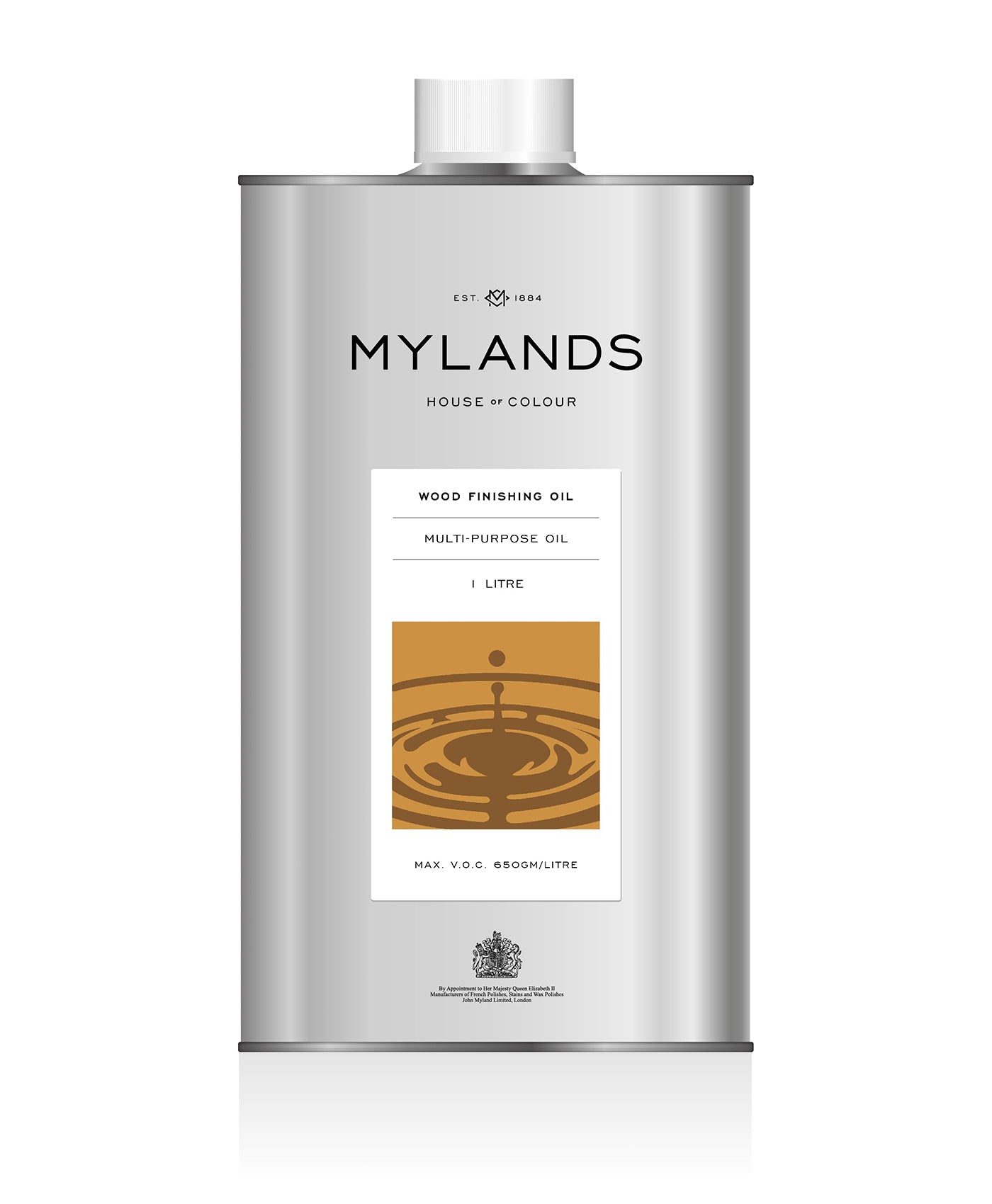
    A hard-wearing everyday kitchen worktopWood Finishing OilMade for kitchen and bathroom worktops, tables and furniture in constant use; tung oil gives it strength
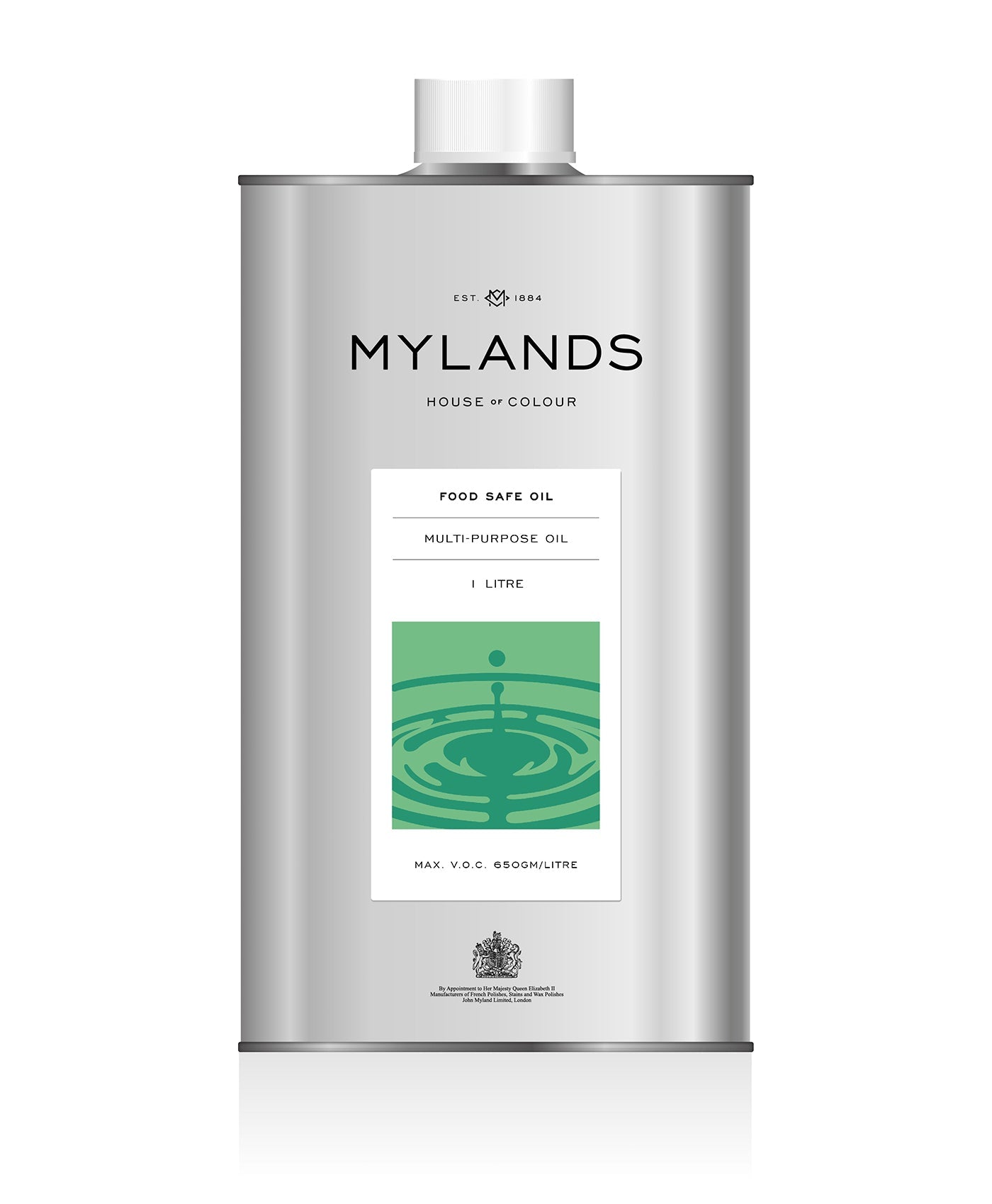
    A surface you prepare food on, a butcher’s block or a chopping boardFood Safe OilFood safe, tasteless and odourless, for surfaces that touch food
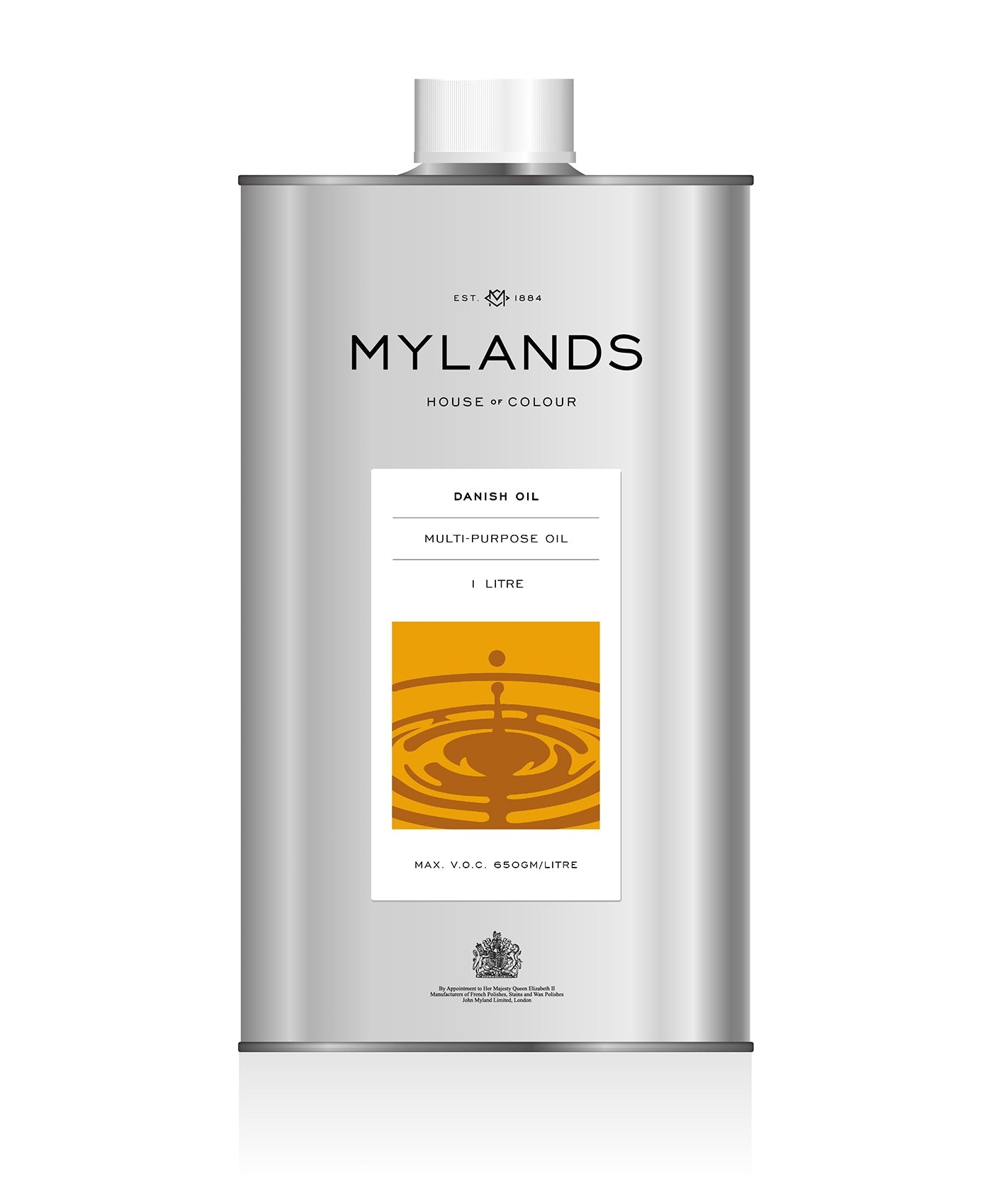
    A quick, easy satin finishDanish OilFast drying and water resistant; may need refreshing a little more often
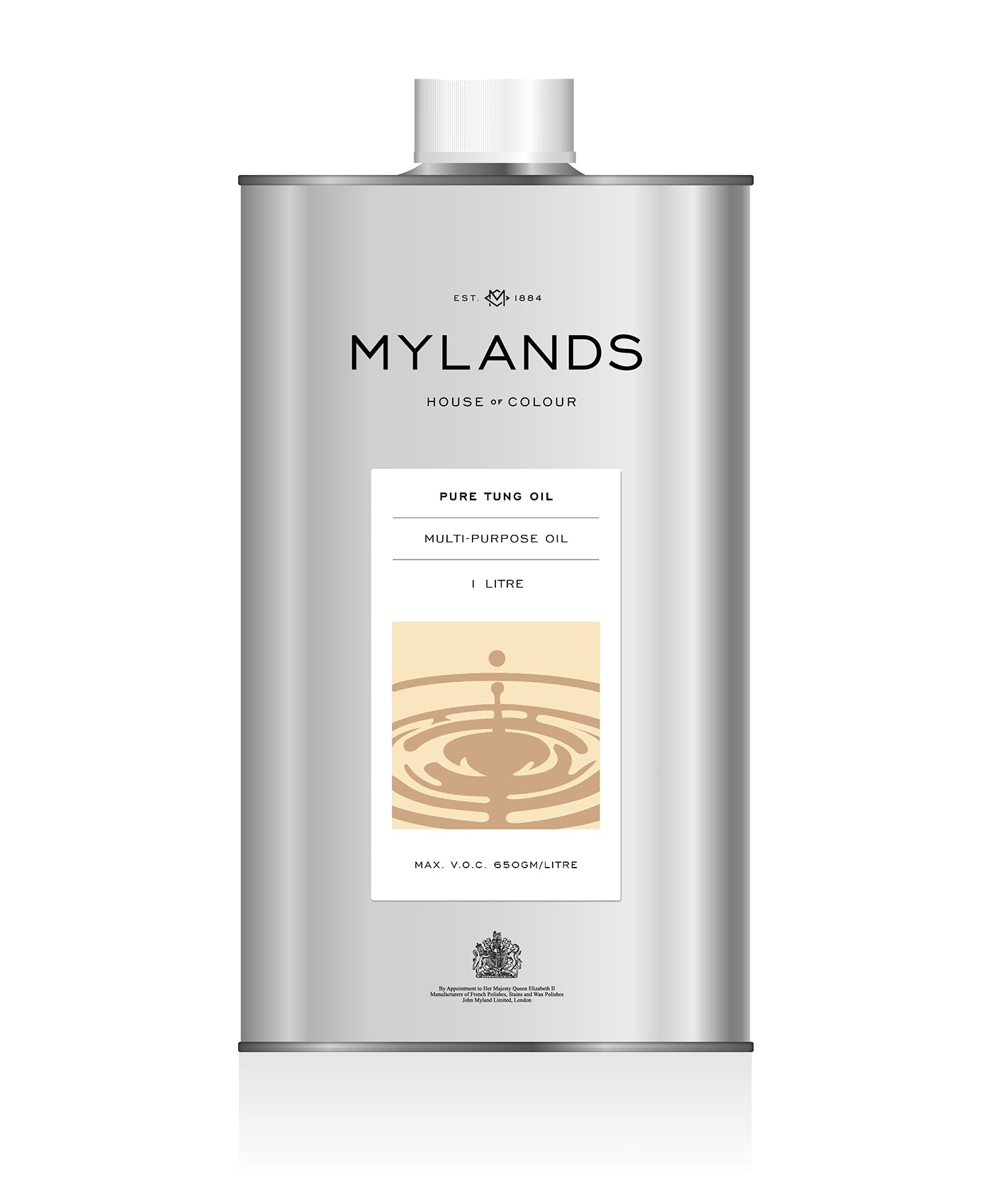
    A slow-built, traditional pure oil finishPure Tung OilA pure natural oil that builds water resistance through patient, thin coats

    Prepare food straight on the worktop? Use Food Safe Oil on that area, or use a separate chopping board.

    Why oil rather than varnish?

    Why oil?

    Oil sinks into the wood, feeds it and hardens within the grain, rather than sitting on top as a film. That means:

    • it feels like real wood, warm and natural to the touch;
    • scratches and worn patches can be sanded and re-oiled in one spot, without refinishing the whole worktop;
    • it does not peel or flake around the sink.

    Next

    Preparing the worktop

    Before you oil

    Preparing a new worktop

    1. Let it acclimatise

      Store the worktop flat in the room for a few days before fitting.

    2. Sand it smooth

      Sand along the grain at 120, then 240 to refine, and remove all dust.

    3. Oil every surface

      Coat the top, underside, edges and ends before fitting. Unsealed undersides and ends can make a worktop cup or split.

    4. Seal the cut-outs

      Give the sink and hob cut-outs and all end grain extra coats. End grain drinks in water like a sponge.

    Next

    Oiling it

    Applying

    How to oil a worktop with Wood Finishing Oil

    1. Thin coat

      Apply with a lint-free cloth or brush, working along the grain.

    2. Let it soak in

      Leave it for a few minutes.

    3. Wipe off the surplus

      Wipe off all of it with a clean, lint-free cloth. Oil left on the surface stays sticky and dries unevenly.

    4. Let it dry

      Touch dry in about 4 hours. Leave 12 hours before the next coat at 20°C.

    5. Build up the coats

      At least 3 to 4 coats, rubbing down lightly between coats with very fine abrasive.

    6. Coverage

      10 to 12 m² per litre, per coat. Ask us how long to leave the last coat before heavy use.

    Martin’s advice

    More oil, applied heavily, does not give a faster or better finish. Thin coats, with every trace of surplus wiped off, are what build lasting protection.

    From the Mylands Experts

    The butcher’s block

    A traditional butcher’s block, scrubbed and oiled every day for generations, does not need a thick, perfect coating. It needs regular attention: clean it, let it dry, feed it with oil, and it will last a lifetime.

    Martin’s advice: re-oil when the surface begins to look dry. Don’t wait until you can see a change in colour.

    Shop

    For worktops and chopping boards
    Shop wood oils
    • Wood Finishing Oil
      Wood Finishing Oil
      Sale priceFrom £8.45
    • Food Safe Oil
      Food Safe Oil
      Sale priceFrom £13.51
    • Danish Oil
      Danish Oil
      Sale priceFrom £8.45
    • Pure Tung Oil
      Pure Tung Oil
      Sale priceFrom £13.44

    Next

    Looking after it

    Afterwards

    Caring for it, and fixing marks

    Everyday care

    • Wipe up water straight away, especially by the sink.
    • Clean with a damp cloth and a little mild washing-up liquid; avoid bleach and abrasive creams.
    • Use trivets for hot pans and a board for knives.

    Re-oiling. Re-oil when it starts to look dry, not when it is already damaged. Around the sink that may be every few months; elsewhere, much less often.

    Marks and damage. Dull patches: clean and wipe on a thin coat. Scratches: sand lightly and re-oil. Dark water marks: sand back to clean timber, feather the edges and build up fresh coats.

    Questions

    Worktop questions

    How many coats of oil does a new worktop need?

    At least 3 to 4 coats of Wood Finishing Oil, on every surface, before the worktop is used.

    How long between coats of oil?

    For Wood Finishing Oil, 12 hours at 20°C. For Danish Oil, 4 to 6 hours.

    How often should I oil my worktop?

    Whenever it starts to look dry. Areas around the sink need it most.

    Can I use Food Safe Oil on the whole worktop?

    Yes. It is ideal where food is prepared, but because it does not harden, it needs reapplying more often than Wood Finishing Oil.

    How do I get black marks off my wooden worktop?

    Sand the area back to clean wood and re-oil. Then wipe up water by the sink promptly so they do not come back.

    Need advice?

    Ask our team

    Call us on 020 8670 9161, Monday to Friday, or visit our showroom in West Norwood. We make every tin, so we can answer almost anything.

    Premium service from start to finish

    Your orders are made, packed and shipped with care from our London factory

    fast drying formula

    Complete your project in one day with our fast drying paints

    more pigment than any other paint

    Our Marble Matt Emulsion gives you unbeatable coverage and a flawless finish

    low climate impact

    Natural ingredients, manufactured sustainably, safe for your home and your family